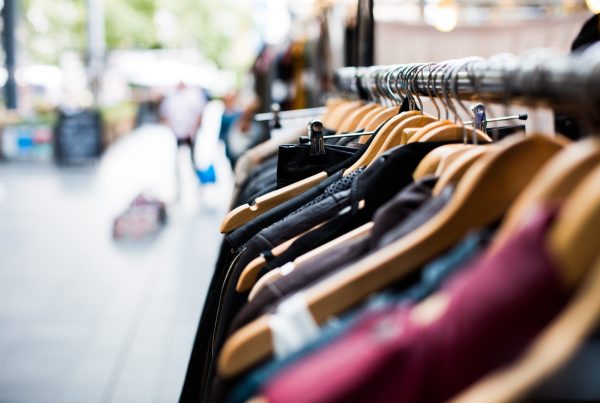

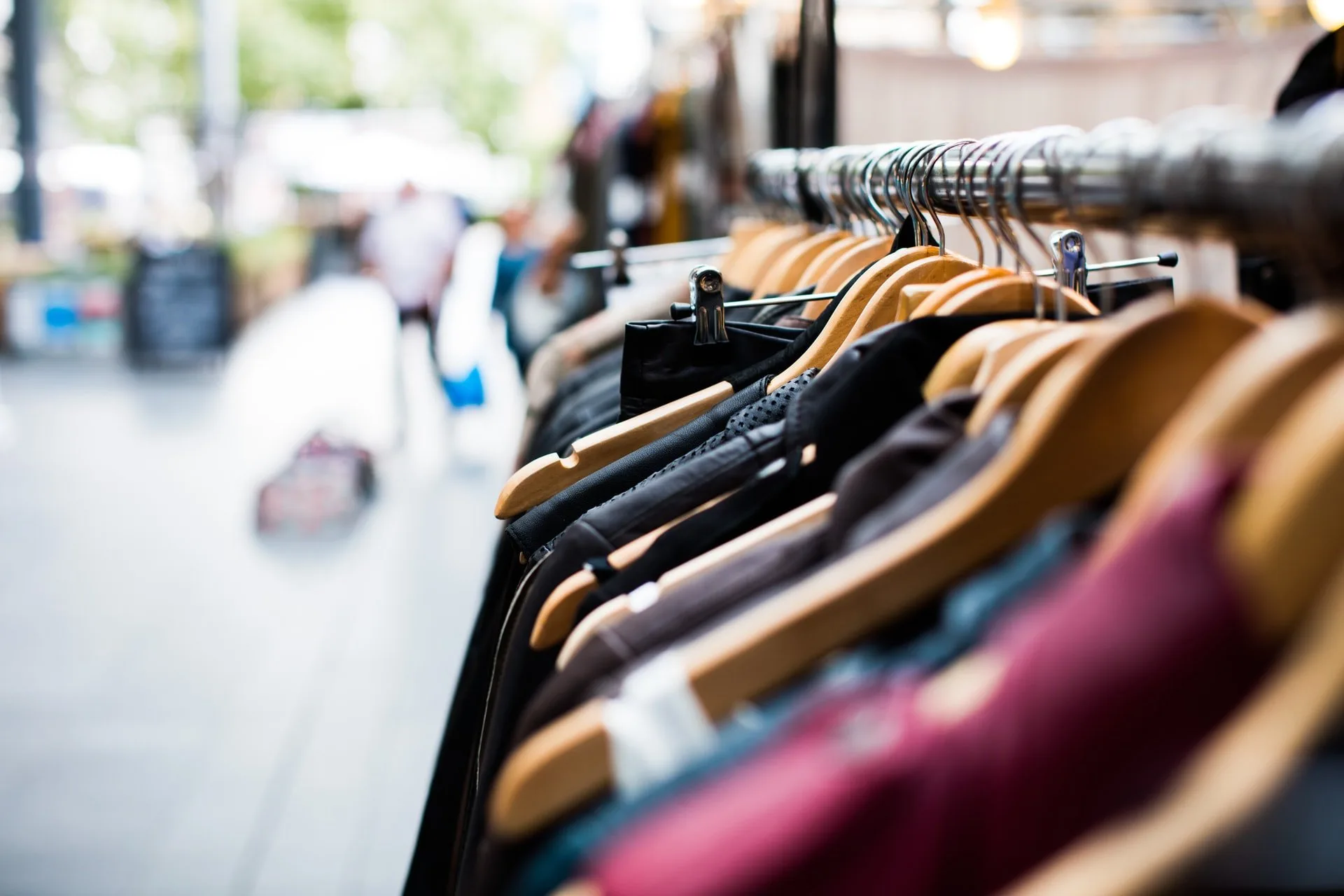
Decades ago, clothing wasn’t about fleeting trends or mass consumption. It was about quality, longevity, and personal style. People shopped seasonally, carefully selecting garments that suited their lifestyle, and adding to existing items. Designers focused on craftsmanship rather than rapid turnover. Hand-me-downs were common, and a natural form of recycling took place long before “the circular economy” became a buzz phrase.
The Fashion Industry’s Carbon Footprint
Today, we fully recognize the extent to which the fashion industry has become one of the greatest polluters on the planet. The rise of fast fashion has created an endless cycle of production and waste, with clothing being discarded almost as quickly as it’s purchased. It’s estimated that there’s enough existing clothing to dress the next seven generations – yet manufacturing continues at an unsustainable rate. Landfills overflow with discarded garments, and in regions such as the Atacama Desert in Chile, vast mountains of unsold fast fashion accumulate, poisoning the environment. The problem doesn’t stop at the landfill.
Are consumers conscious?
The fashion industry’s carbon footprint extends to the excessive packaging that accompanies new clothing – plastic wraps, cardboard boxes, synthetic shoe bags, and unnecessary fillers. Most consumers remain unaware of the sheer volume of pollution generated before a garment even reaches a store shelf.
Another critical issue is synthetic fashion. Faux fur, once heralded as an ethical alternative to real fur, is often made from plastic-based fibers that shed microplastics into our water systems.
These invisible pollutants infiltrate our oceans, our food, and, ultimately, our bodies.
While ethical considerations are essential in fashion choices, we must also question whether swapping natural materials for petroleum-based synthetics is truly a sustainable solution.
Rethinking, reusing, and restoring
If we’re serious about reducing fashion’s environmental impact, we must rethink our approach to clothing. Instead of constantly chasing new trends, we should embrace a slower, more thoughtful way of dressing – one that prioritizes quality, longevity, and sustainability. One that respects personal style and creativity. Once one has a personal style, trendy can be a nuance, rather than the main focus. The circular economy encourages reusing, upcycling, and recycling garments, instead of sending them to landfills.
Thrift-shopping, vintage fashion, and clothing swaps are all ways to participate in this movement, allowing consumers to curate a unique wardrobe without contributing to excessive waste.
In fact, if more people committed to a year of buying only second-hand clothing, the impact would be monumental.
In Africa, in every aspect of our lives, we’re faced with the challenges of a society with massive disparities in wealth and living standards. After recycled clothing items have been given a good opportunity to sell, we offer suppliers the choice of giving unsold items to charity. There is so much poverty in the world that landfills of clothing are almost unimaginable.
Takeaway
The future of fashion doesn’t lie in producing more – it lies in rethinking, reusing, and restoring. Perhaps it’s time to look to the past for inspiration, when clothing was made to last, and fashion was about self-expression rather than mass consumption.
After all, the most sustainable wardrobe is the one that already exists.
About the author?
Annabelle Everest is the owner of Wizards Vintage (a legacy of Wizards Boutique).
 Born in 2008, Wizards Vintage has set the bar in terms of vintage style and quality over passing trends.
The outlet provides a platform for consumers to support vintage, second-hand, and thrift in a beautifully curated shopping space.
Read more about sustainability, from other thought leaders like Annabelle Everest. Dr Lize Barclay writes about Living in the Anthropocene.
How Living In The Anthropocene Impacts Our Longevity
GRAB OUR LATEST LONGEVITY EDITION
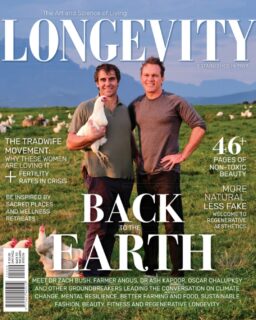 This article features in our latest issue, alongside other incredible articles and features. Our “Back to Earth” issue is Longevity’s must-have edition for anyone ready to reflect on what we put in and on our bodies.
Get expert insights from Dr. Zach Bush, Dr. Ash Kapoor, Oscar Chalupsky, Dr. Maureen Allem, Dr. Anushka Reddy, Dr. Des Fernandes, Dr. Craige Golding, and many more. The issue explores everything from food and clean beauty to sustainable living, fashion, travel, and other mindful choices.
While available nationally in Southern Africa at your nearest Woolworths, Exclusive Books, and selectively at Superspar, Pick’n Pay, Airport lounges, and your local garage shop, you can also buy a digital copy at Zinio.com.

![women [longevity live]](https://longevitylive.com/wp-content/uploads/2020/01/photo-of-women-walking-down-the-street-1116984-100x100.jpg)