

Fancy a drink? In 2023, the World Health Organization declared that no amount of alcohol is safe, linking even light drinking to an increased risk for cancer. This stance wasn’t without controversy, however, as many believe that moderate drinking may have some benefits, both cognitive and cardiovascular.
In addition, with alcohol being such an embedded piece of culture in many societies, it can be difficult to underscore the detrimental effects of drinking.
Nonetheless, conversations are shifting as a growing climate-conscious population is becoming beverage-conscious too, with many examining the impact of their beverage choices on their bodies and the planet.
Conscious Drinking
Re-imagining wine
According to The Economist, the alcohol-free market is expected to experience significant growth, reaching over $15 billion in 2025. Whether driven by finances, taste, or a rising awareness of the detrimental effects of alcohol, millions of individuals are steering clear, opting instead to enjoy their social interactions, or their end of a busy day, with alcohol-free alternatives.
South Africa’s Robertson Winery is redefining drinking traditions with its RW Sparkling Non-Alcoholic, suggest CEO Pieter Siebrits and Ankia Niemann, head of marketing and sales. They offer all the flavor and festivity of their classic wines, minus the alcohol, they say.
“As a brand, we want to be more inclusive and have offerings for people who are looking for non-alcoholic alternatives for health reasons, safety reasons (no drinking and driving, for example), and lifestyle choices. With non-alcoholic options available, there’s no reason not to celebrate.”
In addition to appealing to a new crowd by reimagining its classics, Robertson Winery is also offering fully recyclable bag-in-box (BIB) wine packaging.
While its direct impact on energy use and emissions is minimal, Siebrits notes: “Bag-in-box (BIB) packaging has a significantly lower carbon footprint than traditional glass bottles. With BIB, carbon savings of up to 80% are possible, although actual savings depend on transport routes, distances, and other logistical factors.”
The company’s use of the ZORK closure, a resealable, reusable cap, adds a further layer of convenience. “It’s a sustainable, reusable, innovative, environmentally friendly product that adds additional value for the customer. You get a reusable bubbler that will work with any sparkling product, for free.”
… And beer
Non-alcoholic beer has also gained popularity as more consumers cut back on their alcohol consumption, prompting brewers to invest in zero-proof alternatives. The trend is particularly striking across younger age groups; Gen Z drinks less than prior generations at the same age, and millennials hold the largest share of non-alcohol drinkers.
Dominant motivations for choosing non-alcoholic beverages remain limiting alcohol intake and health.
According to research by the IWSR, “younger drinkers use buzzwords like ‘sober curious’ and ‘damp lifestyle’ to describe moderating their alcohol intake, rather than abstaining entirely”.
From Earth to glass
There’s no doubt that people enjoy drinking alcohol beyond the social interaction. We’re witnessing more brands offering options that embrace sobriety, highlighting the benefits of natural ingredients.
“The creation of Euphorika was inspired by a desire to offer a sophisticated, culturally rooted alternative to traditional alcoholic drinks, one that embraces Africa’s rich botanical heritage, while meeting modern wellness and social needs,” explains Mike Carter, co-founder of Euphorika, a mood-enhancing, alcohol-free sparkling drink.
The drinks are made using the succulent Sceletium tortuosum, native to South Africa, which has been used medicinally for centuries. The plant has been scientifically validated for its anti-anxiety and mood-enhancing effects.
“While both Euphorika and alcohol can lift your mood, Euphorika does so through natural botanicals that promote clarity, calm, and connection – without the intoxication, impairment, or hangover that come with alcohol,” says Carter. “It’s a feel-good experience without the regrets.”
Euphorika’s sustainable sourcing philosophy combines respect for indigenous knowledge, environmental stewardship, and social responsibility to create a supply chain that benefits the planet and the people who cultivate these powerful botanicals.
Now, while the science is still emerging on other mood-enhancing beverages, Jemma van den Berg, a registered dietitian from Nutritional Solutions, urges caution.
“Some of these drinks contain adaptogens, nootropics, or herbs like ashwagandha or ginseng,” she explains. “There is limited evidence supporting their effects, and they may interact with medications or be unsuitable during pregnancy or for children.” Her advice? Always check the label and consult a professional if in doubt.
The health aspects unpacked
Despite non-alcoholic drinks being promoted as a safer alternative, is anything really healthy when the word “alcohol” is involved?
“Some alcohol-free wines and spirits are loaded with added sugars and preservatives,” says Van den Berg. “Treat them like soft drinks, not health drinks.” Elske Rich, a registered dietitian and spokesperson for the Association for Dietetics in South Africa (ADSA), echoes this sentiment.
“Alcohol-free wines and spirits can be a healthier alternative if you’re avoiding alcohol, but they’re not automatically healthy, so always check for hidden sugars and additives, and enjoy them in moderation.”
Furthermore, reducing alcohol is generally beneficial, so you may want to fight against the idea of a “protective glass of red wine”.
“While some older studies suggested moderate red-wine intake might protect heart health, newer research shows that no amount of alcohol is risk-free, especially for cancer,” explains Van den Berg, adding that the benefits once attributed to wine likely stem from other lifestyle changes.
Yet, renowned Blue Zones founder Dan Buettner has been pretty vocal about alcohol and longevity recently. He’s explained that many people who live in Blue Zones are moderate drinkers. So, while some studies warn against alcohol, longevity research also shows that moderate wine drinkers tend to have lower cardiovascular mortality and longer life expectancy.
If you enjoy a daily glass of high-quality red wine, it may not just add to your quality of life – it could add to your years as well. He recently remarked on social media: “These people are enjoying a little bit of red wine every day, and they’re still making it into their 90s and hundreds, and cognitively sharp.”
If you’re not ready to adopt a teetotaling lifestyle, Rich advises only one drink a day for women and two for men. “These don’t add up if you skip a day. One drink is only 150ml wine, 350ml beer or 45ml spirits.”
Anyone for milk
Another current health trend is the move to plant-based milks.
“People are not necessarily looking to go vegetarian, but increasingly eating a healthier diet richer in plant-based products,” explains Philip Moufarrige, founder and managing director of Giraf Macadamia, a macadamia-based plant milk brand. They’re also seeking lower-calorie and more environmentally friendly alternatives to traditional dairy, he says.
“Lactose, and the worries around hormones and farming practices have meant that people are much more aware of the benefits of alternative milks.”
Apart from being rich in omega-3, 6, and 7, Giraf Macadamia milk has a lower ecological footprint than other milk alternatives, he adds. “Macadamia milk has a lower water usage and impact than almond milk, and our eco-conscious production is AmberGAP-certified, ensuring sustainability and good agricultural practices.”
From a processing standpoint, Moufarrige says his company has a vertically integrated sourcing process. It works directly with the farmers, processes their nuts, and then manages the milk production, distribution, and marketing. “We work hand-in-hand with the farmers to ensure that macadamias are ethically and sustainably sourced and processed.”
Furthermore, the company’s eco-friendly Tetrapak packaging is 87% plant-based, 100% recyclable, and extends shelf life to a year: “This reduces spoilage and refrigeration demands,” Moufarrige says.
Plant-based hype?
However, despite the benefits associated with plant-based milks, they’re not always a better alternative to cow’s milk.
“Cow’s milk is naturally rich in calcium (300mg per cup), protein (8g per cup), vitamin B12, and iodine,” explains Van den Berg. “Many plant-based milks are fortified to match cow’s milk in calcium and vitamin D, but protein content varies widely.”
Moreover, as plant-based milks have a distinct taste, many companies often add sugars and other additives that can raise health concerns. “In moderation, most additives are safe, but carrageenan has been linked to digestive issues in sensitive individuals, and gums such as gellan or guar may cause bloating,” Van den Berg adds. Not all consumers are aware of the needs of specific life stages and the role these milks can play.
Who needs what?
Mpho Tshukudu, a registered dietitian and spokesperson for the ADSA, explains that some populations have higher nutritional needs and should use other foods to meet these compromised nutrients when switching to plant milk.
“Plant and cow/goat milk are not recommended for children younger than one,” she explains, and for children younger than two, plant milks, except soy (if fortified with calcium), don’t have enough energy, protein, fat, and calcium to meet their growth and developmental needs. “Also, pregnant women have higher needs for most nutrients, including protein and calcium, and the elderly are at risk for osteoporosis and need more calcium and protein.”
With this in mind, dietitians advise the following when looking for plant-based milk:
- Calcium: at least 300mg per cup (or 120mg/100ml) – the same as cow’s milk;
- Protein: 7-8g per cup, if being used as a primary protein source (only soy usually meets this standard);
- Unsweetened: 0g added sugar;
- Minimal additives: especially for children or those with sensitive stomachs; and
- Fortified with: vitamin D and vitamin B12 (especially important for vegans, older adults, and pregnant women).
Avoid:
- Added sugars and artificial sweeteners;
- Excessive additives, such as carrageenan and gums (eg gellan, guar); and
- Artificial
Plant-based trauma?
Interestingly, while plant-based milks are typically perceived as more environmentally friendly, in reality, they can be detrimental to the planet and harm the bee population.
“California almonds have a high water use (about 16 gallons per 16 almonds). They also use a lot of pesticides that are threatening the bee population,” explains Tshukudu.
“Bees pollinate about 80% of flowering plants, so almond-farming in California contributes to biodiversity decline. Also, almonds depend on bees to pollinate them, so these practices threaten the sustainability of almond farming.”
Furthermore, whereas almond milk is a water resource-intensive product, rice milk has a higher carbon footprint due to its release of methane emissions.
Here’s to a good drink
Whatever you’re choosing, you need to know what you’re drinking.
Rich explains that products choose labels to attract the consumer, and these aren’t always the most honest. “These labels create a ‘health halo effect’ where people overlook the actual nutritional content – particularly sugar, calories, and additives. Just because a drink contains fruit juice, coconut milk, green tea, or botanicals doesn’t mean it’s good for you.”
A great drink may tickle the taste buds, but that’s not enough for today’s consumers, who are seeking beverages that align with their values, enhance their wellbeing, and respect the earth. The new age of beverages is setting out to prove that sustainability, pleasure, and wellness can all pour from the same bottle.
GRAB A COPY OF OUR LATEST LONGEVITY
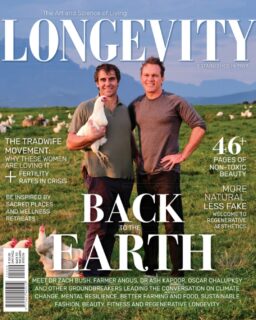 This article, and many others, can be found in our latest “Back to the Earth” edition.
From expert insights with Dr. Zach Bush, Dr. Ash Kapoor, Oscar Chalupsky, Dr. Ela Manga, Dr. Maureen Allem, Dr. Anushka Reddy, Dr. Des Fernandes, Dr. Craige Golding, and many more, this issue explores everything from food, clean beauty, sustainable living, fashion, travel, and other mindful choices.
While available nationally in Southern Africa at your nearest Woolworths, Exclusive Books, and selectively at Superspar, Pick’n Pay, Airport lounges, and your local garage shop, you can also buy a digital copy at Zinio.com.
References
IWSR. (2025). Shifts in moderation strategies for beverage alcohol – IWSR. [online] IWSR. Available at: https://www.theiwsr.com/insight/shifts-in-moderation-strategies-for-beverage-alcohol/.
World Health Organization (2023). No level of alcohol consumption is safe for our health. [online] World Health Organization. Available at: https://www.who.int/europe/news/item/04-01-2023-no-level-of-alcohol-consumption-is-safe-for-our-health.

![women [longevity live]](https://longevitylive.com/wp-content/uploads/2020/01/photo-of-women-walking-down-the-street-1116984-100x100.jpg)