

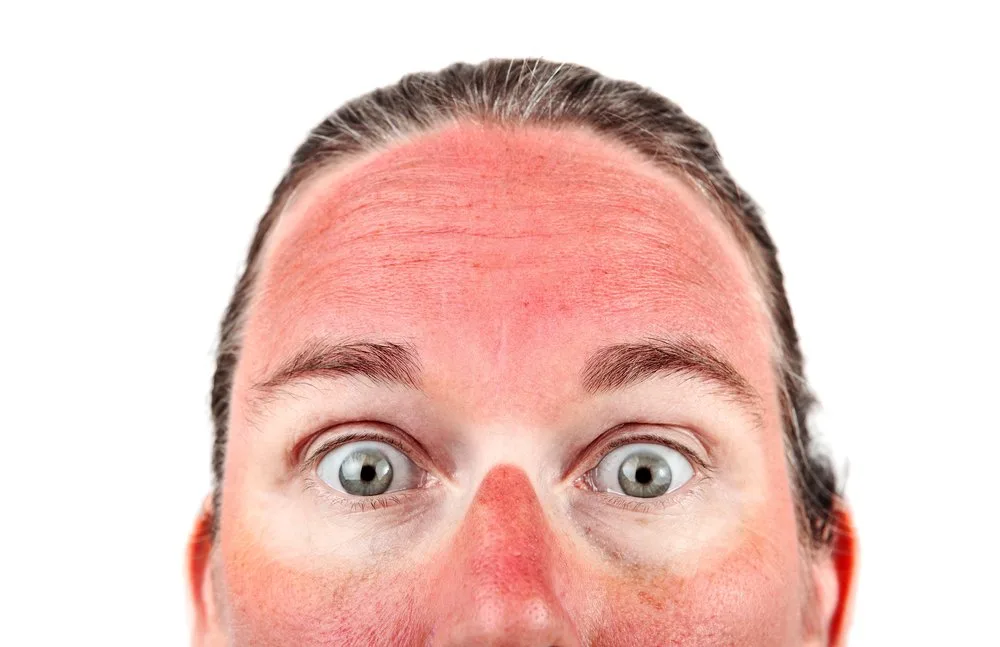
We spoke to Dr Sian Hartshorne, a leading dermatologist and immediate past president of the South African Society for Dermatological Surgery about an alarming new trend on social media called sunmaxxing. Here’s what you need to know.
Sunmaxxing is a new and dangerous trend
Searches for maxxing and spinoff terms have spiked in 2026, with looksmaxxing searches skyrocketing early in the year as media outlets picked up on it, and Dictionary.com named maxxing its 2026 word of the year. A young Montreal creator quoted by The Canadian Press describes tanmaxxing – also known as sunmaxxing – as a subset of looksmaxxing: optimising your looks to feel better and more confident.
A snapshot from social
TikTok spread it this northern summer
TikTok feeds were full of posts, mostly from Gen Z, showing off tan lines under #tanmaxxing, promoting maximum sun exposure with little or no sunscreen. It’s also reviving a 1990s–2000s beauty craze.
The UV index has been turned upside down
The videos encourage users to track the UV index and spend more time outdoors when radiation is strongest. A Toronto dermatologist reported patients showing her texts from teenage daughters asking to skip school because the UV index was high and they wanted to tan
“Live in the present” thinking
Young people know about premature aging and skin cancer risks but choose not to think about them. A Canadian Dermatology Association poll by Ipsos found almost 40% of 1,000 Gen Z Canadians had intentionally tanned in the past year, despite 79% being concerned about skin cancer. Some coverage also frames rejecting sunscreen as part of an anti-establishment lifestyle, with health warnings seen as corporate noise.
Dermatologists are alarmed
Enjoying the sun is an evolutionary drive to get vitamin D, but tanning for pleasure gives far more exposure than the body needs.
Dermatologists desperately want gen Z to stop ‘tanmaxxing’ — but are their warnings effective?
Dr Hartshorne describes the skin as a mirror of what is happening inside the body. Patterns and small signs on the skin and nails can point to complex diseases that are otherwise difficult to diagnose. Dermatology also consistently ranks among the happiest medical specialties, she says, because it changes how people feel about themselves.

Dr Sian Harshorne
This is why the sunmaxxing trend, in which people deliberately seek intense sun exposure and burning, often believing it is healthy, bewilders her and her colleagues.
“Why would anybody choose to destroy this beautiful portrait?”
Dermatology waiting rooms are full, she says, largely with baby boomers who grew up without sun protection or knowledge of its risks.
The waiting room tells the story
Dermatologists call the result “brown paper bag skin”: crinkly, dark and blotchy from chronic exposure. On the day of the interview, she had removed five basal cell carcinomas from one patient in a single session. He told her he would never have lain in the sun and burned had he known. Some damage can be reversed, but it takes considerable time and money. Her message: speak to older relatives before repeating their mistakes.
Planting tumor seeds
Sun damage is silent at first. Dr. Hartshorne calls it “planting tumor seeds”. UVA and UVB light, and increasingly it seems visible and infrared light, damage the DNA of skin cells. The body normally removes damaged cells like a conveyor belt removing bad eggs, but eventually some remain and later evolve into cancer.
The timeline varies
- Melanoma is now seen in teenagers and children; the youngest case known among her colleagues was 11. She calls the combination of genetic predisposition and extreme sunburn “the perfect storm”, producing severe melanomas into the early twenties.
- Basal cell carcinomas typically appear in the 40s to 60s, but are increasingly seen in the late 20s and 30s, especially in fair, red-haired people who burn easily (Fitzpatrick skin type I).
- Photoaging (wrinkles, pigmentation, broken blood vessels, and red blotches) generally appears from the mid-30s onward. Because the damage shows up years later, young people don’t connect it to their choices today.
Why melanoma is so dangerous
Melanoma arises from damaged melanocytes, the pigment cells in the top layer of the skin. Both chronic exposure and episodes of sunburn can damage these cells. Caught early, it can be removed “like weeding a garden”; left unchecked, it spreads throughout the body and becomes one of the most aggressive cancers there is.
Mutations in the BRAF and NRAS genes are among the most common drivers, and newer treatments have been developed around them. Melanoma mortality has plateaued since 2015, with a slight decline in countries such as the United States, but it still claims many lives. The sun remains central.
No skin tone is exempt
Skin colour reflects the type of melanin produced. Darker skin produces eumelanin, a larger molecule that blocks more sunlight and gives natural protection of roughly SPF 10. Lighter, northern European skin produces pheomelanin, which evolved to let light through for vitamin D but offers little filtering in a sunny climate like South Africa’s.
Even so, the latest advisory from South African dermatologists is that everyone, of every skin tone, should protect against sunburn.
Namibia has one of the world’s highest melanoma mortality rates, and doctors there are seeing melanomas on the legs and arms of dark-skinned patients, not just on the soles of the feet, where they were traditionally found. For darker skin, pigmentation is a bigger everyday concern. People with albinism need extreme protection.
Deeper-penetrating rays damage collagen, elastin, and fibrillin, the skin’s scaffolding, causing wrinkling and thinning. She points to Xhosa women who coat their skin in clay while working outdoors: an inherent knowledge that skin needs protecting.
The vitamin D myth
“There are absolutely no health benefits” to burning as a trend, she says. As for vitamin D, excessive UV can reduce the activity of the vitamin D receptors in cell nuclei that the vitamin needs to work. In South Africa, about 30 minutes of daily light on one limb is enough, and incidental exposure such as driving to the shops usually covers it. Supplements are readily available and easy to take, though excessive doses can raise calcium levels and cause kidney stones.
Everyday protection
Sun advice should suit where you live. A Scottish dermatologist may not need to recommend daily sunscreen, but in high-UV regions such as southern Africa and Australia, sunscreen belongs in every season. Patients who skip it in the winter return with more keratoses, a sign of increased sun damage. Sunscreen applied at 8am will not protect during three or four hours of midday sun, so reapply. She never discourages outdoor activity, only urges proper protection: sunscreen, a hat and sunglasses, ideally ones that block light from the sides. The possible link with macular degeneration, she notes, is a question for ophthalmologists.
Early detection saves lives
Total-body photographic scanners now record skin that a manual examination can miss, such as the armpits and sides of the body. Their software has helped detect tiny new melanomas earlier, though expert interpretation is still needed to avoid overdiagnosis.
Everyone should check the soles of their feet, palms and nails. Any pigmented mark that is new, irregular or changing needs attention: “changing means something’s growing”. Start with your GP, the gateway to a specialist, who can usually arrange an urgent referral. A family history of melanoma puts dermatologists on high alert.
Heat, climate and antioxidants
As the climate warms, infrared heat also matters. Heat generates reactive oxygen species, “little bombs” that damage cells. Plants survive extreme heat using antioxidants, and skincare is following their lead.
She cites rooibos from the Cederberg, found to be a potent antioxidant that can boost a sunscreen’s SPF, as well as vitamins C and E combined, taken orally and applied topically, for extra photoprotection. But prevention comes first: sun avoidance and sun protection.
The bottom line
Sunmaxxing trades a passing look for wrinkles, pigmentation, and potentially fatal cancer. Protect your skin, check it regularly, and act early.
Watch the interview
View this post on Instagram