

Sleep is incredibly vital for longevity, but what happens when hormonal changes begin to shift how well you sleep? With around 51.6% of women reportedly struggling with sleep issues during menopause, this can make it harder to manage daily life, as well as other more uncomfortable menopausal symptoms. Luckily, there are practical steps that can help improve sleep and make the ‘change’ less exhausting.
Why Does Menopause Cause Poor Sleep?
Menopause triggers hormonal changes, and this influences sleep quality.
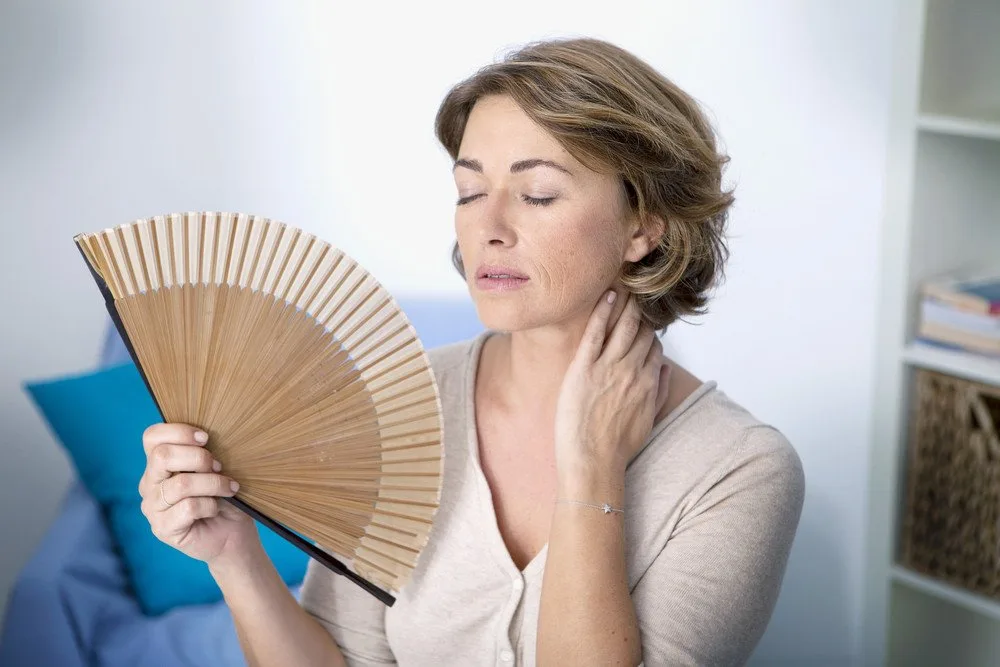
For instance, estrogen helps to regulate body temperature and mood, yet its levels reduce during menopause, and this leads to hot flashes, night sweats, and mood swings. Hot flashes and night sweats can be uncomfortable, especially if you have to change your clothes or bed sheets in the middle of the night, disrupting sleep.
Progesterone is another hormone that drops during menopause, and ironically, it also supports sleep, so its declining levels make it harder to maintain healthy sleep quality.
Additionally, menopause does increase the risk for sleep disorders, with one study noting a sharp increase in prevalence of obstructive sleep apnea (breathing stops and starts during sleep) in women after menopause.
Beyond the changing hormonal levels, some women may experience anxiety over this transition, as well as other midlife stressors like aging parents and work, which then disrupts their sleep schedules.
8 Ways to Improve Sleep During Menopause
A healthy sleep cycle, especially during menopause, can leave you well-rested, happier, more focused, support a healthy weight, and make other menopausal symptoms easier to handle.
With that, here are a few ways to improve your sleep during your menopausal years.
1. Put the phone down
Scrolling on your phone in bed has become quite the addiction, but this is one of the worst things you can do, as the blue light emitted from devices negatively impacts the body’s production of melatonin – the sleep hormone. As such, it’s advisable to put your devices away at least two hours before bed.
You may also want to invest in a lamp, as overhead lighting can trick the brain into thinking that it’s daytime. Essentially, anything that reduces the light in the evening is a good idea, such as blackout curtains.
2. Deep breathing exercises
Deep breathing exercises won’t only help with poor sleep; they’re also a great way to help manage menopausal symptoms like hot flashes.
Deep breathing exercises can ease tension, relax the nervous system, reduce the intensity of hot flashes, and activate the body’s rest system by lowering heart rate and calming the nervous system.
3. Adopt relaxation techniques
Aside from deep breathing, other relaxation techniques like journaling positive thoughts, meditation, and yoga can help alleviate any menopause-related anxiety that’s keeping you awake at night.
If you wake up in the middle of the night because of hot flashes and night sweats, it’s recommended that you do something relaxing like a gentle stretch or a 10-minute meditation session. You could also light a lavender candle or drink chamomile tea for a better night’s rest.
4. Monitor caffeine intake
Caffeine is a stimulant, and it can keep you awake and even trigger hot flashes by increasing heart rate and expanding blood vessels. We’d rather you avoid caffeine altogether, especially if you’re struggling with sleep, but if you must have it, consume it early in the day and cut it out by noon.
If you’re hoping for a nightcap, alcohol is the last thing you should be looking at, as it can trigger hot flashes and make it harder to enjoy quality sleep. Instead, green tea and chamomile tea are the best options.
5. Create and stick to a consistent routine
The best sleep routine is a consistent one.
Creating and maintaining a consistent routine helps your brain understand and acknowledge certain behaviors, such as meditating, journaling or a nightly cup of tea, as bedtime cues, anchoring a circadian rhythm and helping ensure quality sleep.
6. Stay active
A 2023 review published in Frontiers in Medicine analysed 17 clinical trials and found that physical activity programs like walking, yoga and aerobic exercises significantly reduced insomnia severity and alleviated sleep problems in menopausal women.
Be it walking, jogging, swimming or even cycling, getting your steps in is a great way to stay healthy and it can also help you sleep better.
7. Manage hot flashes and night sweats
As mentioned, hot flashes and night sweats can disturb sleep, so it would be advisable to find practical ways to manage them.
Wearing light, breathable sleepwear made from materials like cotton, linen, or bamboo and avoiding triggers like spicy foods, caffeine, or alcohol is advisable.
8. Build a healthy sleep environment
Creating a space where your body and mind can rest is one of the best things you can do for your sleep health.
Firstly, a cluttered space can make it harder for your body and brain to relax, so try to keep a clean area. Additionally, investing in a fan to keep your bedroom cool, blackout curtains or an eye mask, a white noise speaker, and breathable bedding like bamboo bedding to maintain a comfortable temperature are all great ways to make your bedroom a healthy sleeping space.
Lastly, reserve your bed for sleep and intimacy so that your brain knows when it’s time to sleep.
When to Seek Help
It’s normal to experience sleep problems during your menopausal years, but if you notice that your insomnia is lasting more than two weeks and that your sleep issues are beginning to affect your daily life or safety, it’s important to seek help from your healthcare professional.
Want to know more?
Women are taught to fear their hormones and doubt their bodies. That is why Heidi Klum’s approach to menopause is so refreshing, as her frank attitude towards aging and menopause helps to foster a culture of understanding, acceptance, and care.
References
Qian, J., Sun, S., Wang, M., Sun, Y., Sun, X., Jevitt, C., & Yu, X. (2023). The effect of exercise intervention on improving sleep in menopausal women: A systematic review and meta-analysis. Frontiers in Medicine, 10, 1092294. https://doi.org/10.3389/fmed.2023.1092294
Raphelson, J., Norby, B., Parra, G., DeYoung, P., Macaulay, K., Stuenkel, C., & Malhotra, A. (2025). Sleep disordered breathing after menopause. The Lancet Obstetrics, Gynaecology, & Women’s Health, 2(1), e62-e69. https://doi.org/10.1016/S3050-5038(25)00112-8
Salari, N., Hasheminezhad, R., Hosseinian-Far, A., Rasoulpoor, S., Assefi, M., Nankali, S., Nankali, A., & Mohammadi, M. (2023). Global prevalence of sleep disorders during menopause: A meta-analysis. Sleep & Breathing = Schlaf & Atmung, 1. https://doi.org/10.1007/s11325-023-02793-5

![women [longevity live]](https://longevitylive.com/wp-content/uploads/2020/01/photo-of-women-walking-down-the-street-1116984-100x100.jpg)