

Anti-aging enthusiasts and billionaire Bryan Johnson recently shared an Autoimmune Gastritis (AIG) diagnosis, an immune disorder where his body attacks its own stomach lining. Despite his unique and multi-million dollar health regimen, Johnson could not prevent the diagnosis. However, is his quest for immortality to blame, or should attention and studies shift to the one thing his money can’t seem to buy – higher levels of ferritin?
What is Ferritin?
Ferritin is a protein in the body that stores iron inside the cells and releases it in a controlled way, which is particularly vital as free iron can trigger the development of free radicals.
It’s important to distinguish between ferritin and iron, as ferritin is a complex protein that stores iron and maintains a steady supply, whereas iron is a mineral essential for various bodily processes, including the production of hemoglobin.
A ferritin test measures how much iron is in the body, and low ferritin levels indicate an iron deficiency, and high ferritin levels translate to iron overload, typically caused by liver diseases, infections, inflammation, and certain cancers.
Johnson and Ferritin
Taking to X, Johnson opened up about his Autoimmune Gastritis (AIG) diagnosis, and he shared that while his hemoglobin levels appeared completely fine, his ferritin levels were chronically low, and as such, he was experiencing iron starvation on a cellular level without typical symptoms of anemia.
As confusing as this may sound, a 2025 study revealed that while iron deficiency anemia (IDA) affects at least 1.2 billion individuals worldwide, iron deficiency without anemia (IDWA) is actually twice as common.
Hemoglobin is vital for the body’s processes, so that’s where most of its focus is, and not on keeping iron in storage. As such, if hemoglobin levels are healthy, not much attention is paid to depleting levels of stored iron. Yet, even if hemoglobin levels aren’t the best, the body uses the stored iron to continue the production of hemoglobin, keeping the levels healthy while ferritin levels continue to deplete.
Unfortunately, if the iron loss continues and the ferritin isn’t replenished, eventually the body will run out of stored iron, and the hemoglobin levels will drop, and the person will likely be diagnosed with iron-deficiency anemia.
What causes low ferritin?
There are a few factors that can cause low ferritin, and these include:
- Heavy blood loss – menstrual cycles, frequent blood donations, and gastrointestinal bleeding
- Poor absorption – certain conditions, like celiac disease, inflammatory bowel disease, and autoimmune gastritis, can impact the absorption of dietary iron.
- Poor diet – Iron in plant-based foods is typically harder to absorb.
- Increased demand – Young children, pregnant women, and athletes typically need more iron than others.
- Medications – Certain medications can interfere with iron absorption.
Low ferritin levels have also been more noticeable in people with the following conditions:
- Restless leg syndrome – low iron levels trigger the restless urges
- Fibromyalgia – low iron levels can worsen fibromyalgia symptoms
- Anxiety or depression – low iron levels are common in people living with anxiety or depression
- Attention-deficit hyperactivity disorder (ADHD) – inadequate iron levels can directly worsen ADHD symptoms like brain fog, fatigue, and poor concentration.
Symptoms of low ferritin
“Most people treat anemia as the threshold to watch. But long before hemoglobin drops, low iron starves the enzymes your cells depend on… That is why you can feel fatigue, brain fog, and worse endurance.” – Bryan Johnson, X
Although not anemic, low ferritin often can cause similar symptoms, including:
- Fatigue
- Dizziness
- Headaches
- Weakness
- Poor concentration
- Changes in mood
- Pale skin
Improving ferritin levels
If you want to improve ferritin levels, regular blood check-ups are necessary to check ferritin levels and explore an effective strategy. Normal ferritin levels generally range from 12 to 300 nanograms per milliliter of blood (ng/mL) for males and 12 to 150 ng/mL for females.
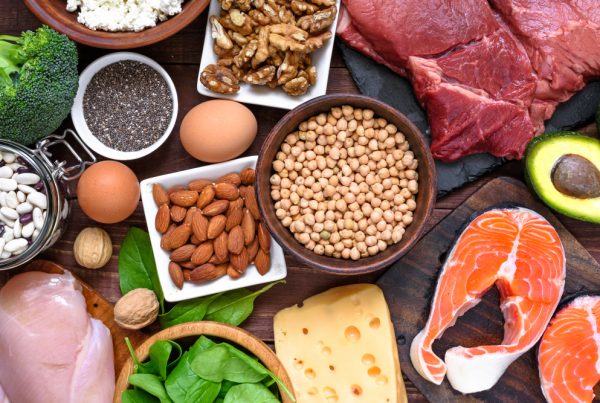
Improving ferritin levels means improving iron levels, and this can start with prioritizing a diet rich in both heme iron (animal sources) from red meat, poultry, and fish, and non-heme iron (plant sources) from lentils, beans, and leafy greens. Vitamin C-rich foods like red bell peppers, spinach, kale, broccoli, strawberries, and citrus fruits have been found to help increase iron absorption.
It’s also advisable to avoid substances that inhibit iron absorption, such as phytates, polyphenols, and excessive calcium.
From a medicinal perspective, iron supplements can help, but these should be used under the supervision and with the permission of a healthcare practitioner, as iron overload is possible and can be dangerous.
Additionally, iron infusions are also an option, but these are only recommended when oral iron supplements fail and when a rapid increase in iron levels is needed.
Want to know more?
80% of adults in the US consume coffee daily, but could coffee and caffeine negatively affect iron absorption? If you struggle with iron deficiency, you might want to keep reading and reconsider how and when you drink your coffee.
References
Alzaabi, F. M., Al Tarawneh, D. J., Al Tarawneh, Y. J., Khan, A., Muqsit Khan, M. A., Siddiqui, T. W., Siddiqui, R. W., Hayyan Nishat, S. M., Alzaabi, A. A., & Siddiqui, S. W. (2025). Restless Legs and Iron Deficiency: Unraveling the Hidden Link and Unlocking Relief. Cureus, 17(4), e82413. https://doi.org/10.7759/cureus.82413
Araújo, T., Rodrigues, M., & Campos, D. (2026). Impact of Serum Ferritin on the Pathophysiology of Attention-Deficit/Hyperactivity Disorder: What Is the Evidence? Cureus, 18(2), e103196. https://doi.org/10.7759/cureus.103196
Zamani, S., Abed, M., Amini, A., & Ghorbanpour, A. (2025). Examining the General Health and Mental Health of Individuals With Iron-Deficiency Anemia. The International Journal of Psychiatry in Medicine. https://doi.org/1382660
Read more about Bryan Johnson
Bryan Johnson’s quest for immortality hits a wall.

![women [longevity live]](https://longevitylive.com/wp-content/uploads/2020/01/photo-of-women-walking-down-the-street-1116984-100x100.jpg)