
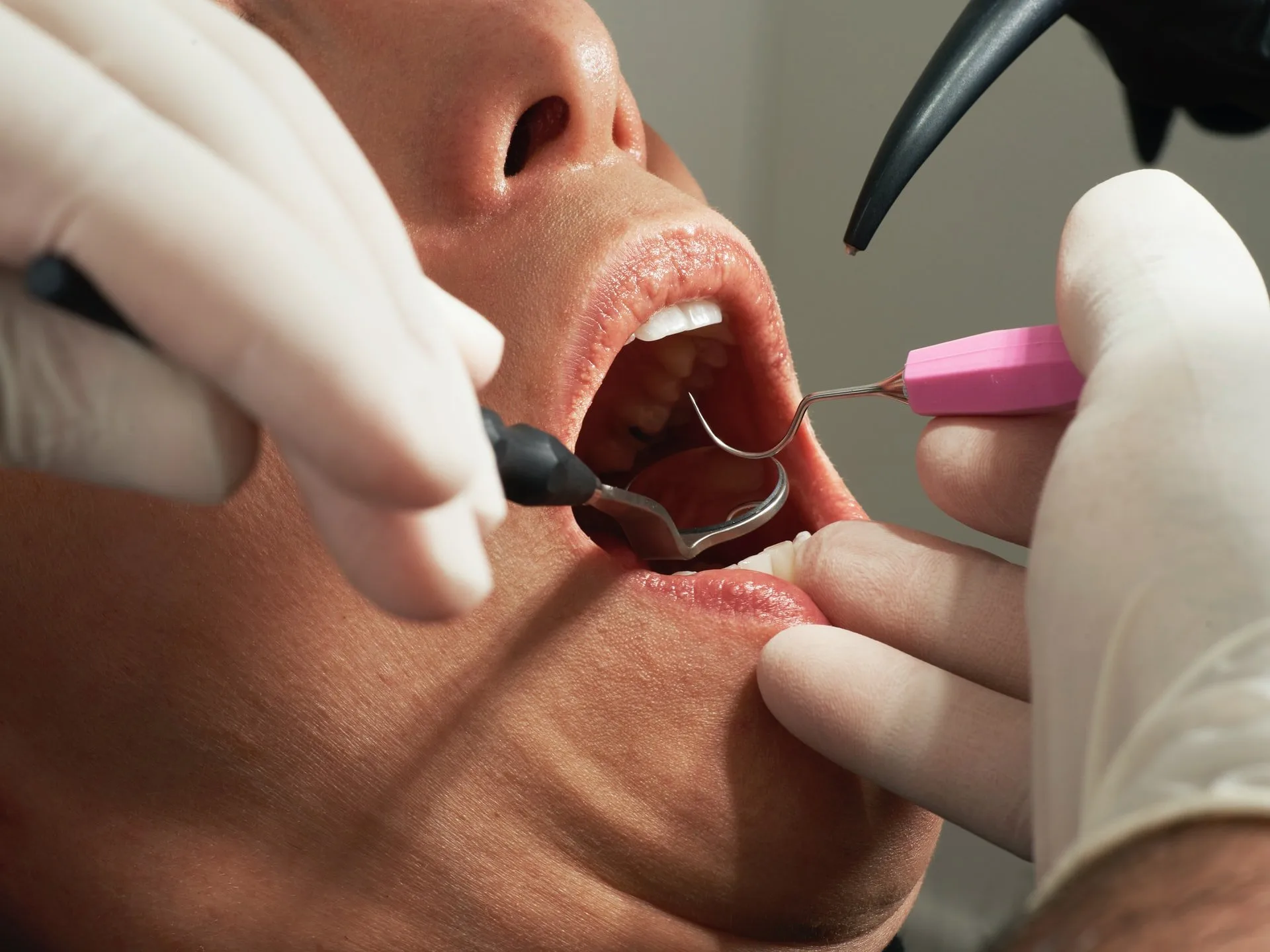
Oral health is categorized as a cosmetic concern for most of an adult’s life. Whitening, straightening, and the occasional crown after a chipped tooth. By the time someone hits their fifties, that framing stops being accurate. Teeth, gums, and bite mechanics start to affect systemic health in ways that show up in cardiovascular outcomes, cognitive markers, and basic quality of life.
Most adults are not told this. The shift from “your smile” to “your overall health” happens quietly, and the first signal is often a tooth that has been failing for years, finally giving out at an inconvenient moment. Longevity Partner Content.
The cardiovascular link to oral care
Long-running studies have established a connection between chronic periodontal disease and cardiovascular events. The mechanism is inflammatory. Bacteria from infected gum tissue travel through the bloodstream, where they contribute to the inflammation that drives arterial disease. Patients with untreated periodontitis have measurably higher rates of stroke and heart attack than patients with stable gum health, controlling for the usual risk factors.
This is not theoretical. Cardiologists routinely ask about dental history during workups. Adults with untreated chronic infections in the mouth are walking around with an inflammatory load that affects organs they would not normally connect to their teeth.
Chewing and brain aging
The research on chewing function and cognitive aging is newer but consistent. Adults who lose chewing capacity, either through missing teeth or ill-fitting dentures, show measurable decline on cognitive markers compared to peers with full chewing ability. The proposed mechanism involves both nutritional changes, as people with poor chewing function avoid a wide range of foods, and the loss of sensory and motor input that intact chewing provides to the brain.
This is one of the reasons replacing missing teeth has moved from optional to recommended for adults concerned about long-term cognitive health. The functional restoration matters as much as the appearance.
Bite mechanics and pain patterns
Adults who have lost teeth or whose teeth have shifted over decades often develop bite imbalances that drive chronic headaches, jaw pain, and neck tension. The body compensates for an uneven bite by changing posture and muscle recruitment. Over time, these compensations become symptoms that get attributed to stress, aging, or unknown causes. Restoring proper bite mechanics often resolves pain patterns that have persisted for years.
Nutrition and the foods you should stop eating
Patients with compromised chewing function reliably stop eating the foods that take the most effort to chew. Fresh vegetables, raw fruits, nuts, and most cuts of meat get replaced with softer, processed alternatives. The nutritional impact compounds over decades. Adults focused on longevity who have given up on raw vegetables because chewing them is unpleasant are running a low-grade nutritional deficit that is fully reversible through dental restoration.
What to do about it
The starting point is an honest assessment of a dental practice that does both implant work and restorative dentistry. A current 3D scan tells the patient what is going on structurally. A periodontal evaluation tells them what is happening with the soft tissue. Together, those two pieces of data answer the question: Is this teeth-level maintenance, or is this a longevity-level intervention?
The answer determines the treatment plan. For some patients, the answer is regular cleanings and a few specific repairs. For others, it is an implant restoration of one or several teeth, or a full-arch reconstruction that gives back chewing function that has been missing for years.
The case for not waiting
The most common pattern with oral health issues in adults over fifty is to wait until something breaks. The longer the wait, the more compensatory damage accumulates. A missing molar at age fifty-five becomes a shifted bite and a worn-down opposing tooth by sixty. The work needed to address it at that point is significantly larger than what would have been needed earlier.
For adults focused on living well into their seventies and eighties, oral health belongs on the same priority list as cardiovascular fitness, strength training, and sleep. The teeth are not separate from the system. They are part of it.

![women [longevity live]](https://longevitylive.com/wp-content/uploads/2020/01/photo-of-women-walking-down-the-street-1116984-100x100.jpg)