
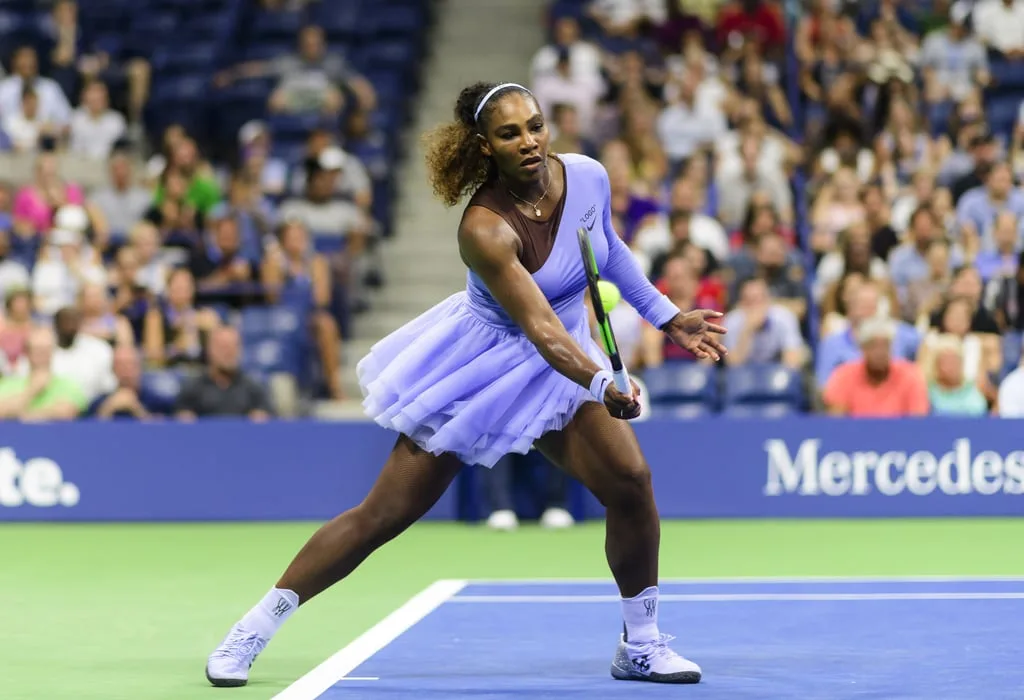
Serena Williams returned to competitive tennis in June of 2026. Four years after her retirement in 2022. Her comeback is a testimony to physical preparation and mental resilience after experiencing a near-fatal medical crisis years earlier.
Serena Williams: Evolution, not retirement
Serena Williams is not a fan of the word ‘retirement’ when referring to her choice to evolve away from tennis in 2022. Gracefully, she stepped off the court and into a new chapter of motherhood and entrepreneurship. The 23-time Grand Slam champion picked her racket back up at the HSBC Championships at London’s Queen’s Club this year.
“I’ve had enough pressure. It’s really about my kids getting to see me play.”
Williams is unique in the fact that she does not allow herself to be placed into boxes. She helped to normalize the struggle of what it means to be a working mother, refusing to allow the media to label her as ‘super mum’ or ‘workaholic’. This comeback in particular redefines fitness and shows that the body always has more to give.
Fitness Routines: Stick to What Works
Comebacks at the professional level don’t happen by accident, and Williams’ was no exception. In the days before stepping onto Queen’s Club’s grass, she was back on court with Patrick Mouratoglou, the coach who guided her through ten Grand Slam titles during their decade together. The two were spotted training at the tournament venue itself in the lead-up to her return, a sign of just how seriously she was treating her reentry — even into a doubles draw she insisted wasn’t about winning.
While Serena Williams is a notoriously private individual, we know that her routine is incredibly disciplined. She found that mixing strength and cardio workouts is what suits her body best.
Although she told Vogue that her at-home fitness routine involves a lot more cardio than anything else. Serena listens to her body. She likes to incorporate some high-intensity interval training and a little stretching into her routine, but she focuses on cardio because that is what works best for her. Years of competitive tennis can take a severe toll on your knees, making it vital to pay attention to the warning signs your body sends you.
The health story behind the headlines

serenawilliams/instagram
To really grasp the significance of this return to competitive tennis, we have to go back further than June 2026. In September of 2017, Serena Williams gave birth to her daughter, Olympia, via emergency C-Section. Serena told Vogue magazine that the surgery went off without a hitch.
“That feeling was amazing. And then everything went bad”
The next day, while Serena was in recovery, she suddenly felt out of breath. Because of her history of blood clots, she acted quickly. What followed has become one of the most widely discussed examples of medical dismissal in modern maternal health.
Something wasn’t right
The nurses thought that her pain medicine might be making her confused, but Serena stood firm with her conviction that something was not right. Sure enough, a CT scan revealed several small blood clots forming in her lungs.
It all went downhill from there. Coughing fits brought on by the pulmonary embolism tore open her fresh C-Section incision. Going back into surgery, her doctors discovered a hematoma. A complication caused in part by the very blood thinners that were saving her life. For Serena Williams, this meant a far longer road back to health than she had anticipated.
It is surprising that no matter how accomplished or influential a woman may be, medicine tends to dismiss her pain as emotional rather than physical. So, when reflecting on Serena Williams’ experience, we can assert that the most radical act of self-preservation for any woman is to turn inward and define fitness and health on her own terms. By doing what genuinely makes her feel strong, whole, and heard.
The National Women’s Council of Ireland stated, “I would advise women young and old need to listen to their bodies and persist in seeking medical advice no matter how small their concerns are. Taking responsibility for your health is imperative; the ball is in your court.”
Resilience as a fitness philosophy
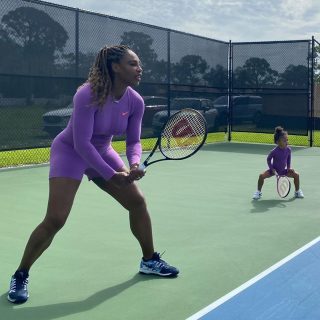
Getting back into competitive shape after four years is a serious mental and physical undertaking for any athlete. It’s important to note that “shape” is never a purely physical metric. For Serena Williams, this evolution is bound up in a long history of trusting the signals her body sends her and advocating for them.
Serena Williams has confirmed that she will continue her return at the Berlin Open. Her future of playing beyond Berlin, including a potential return to Wimbledon, remains an open question.
For one, she appears entirely unbothered by leaving unanswered for now. Her main priorities appear to be simply making her children proud and seeing what the future holds, a refreshingly simplistic perspective in the world of competitive sports.
References
PA. “Serena Williams on Queen’s Return: “Don’t Need to Win,” Unsure on Playing Singles Again – ESPN.” ESPN.com, ESPN, 7 June 2026, www.espn.com/tennis/story/_/id/48992234/serena-williams-queens-return-dont-need-win-unsure-playing-singles-again
Nast, Condé. “Train like a Pro: How Serena Williams Stays Strong with At-Home Workouts and a (Mostly) Vegan Diet.” Vogue, 9 Feb. 2022, www.vogue.com/article/train-like-a-pro-serena-williams.
Haskell, Rob. “Serena Williams on Her Pregnancy, Motherhood and Making Her Tennis Comeback.” Vogue, Vogue, 10 Jan. 2018, www.vogue.com/article/serena-williams-vogue-cover-interview-february-2018.
“National Women’s Council of Ireland.” Facebook.com, 2026, www.facebook.com/NationalWomensCouncilofIreland/posts/i-would-advise-women-young-and-old-need-to-listen-to-their-bodies-and-persist-in/2349329811771978/.
If you are Serena fan you may enjoy reading more about her here:
Serena Williams Shares Her Fitness and Diet Tips At 40

![women [longevity live]](https://longevitylive.com/wp-content/uploads/2020/01/photo-of-women-walking-down-the-street-1116984-100x100.jpg)