

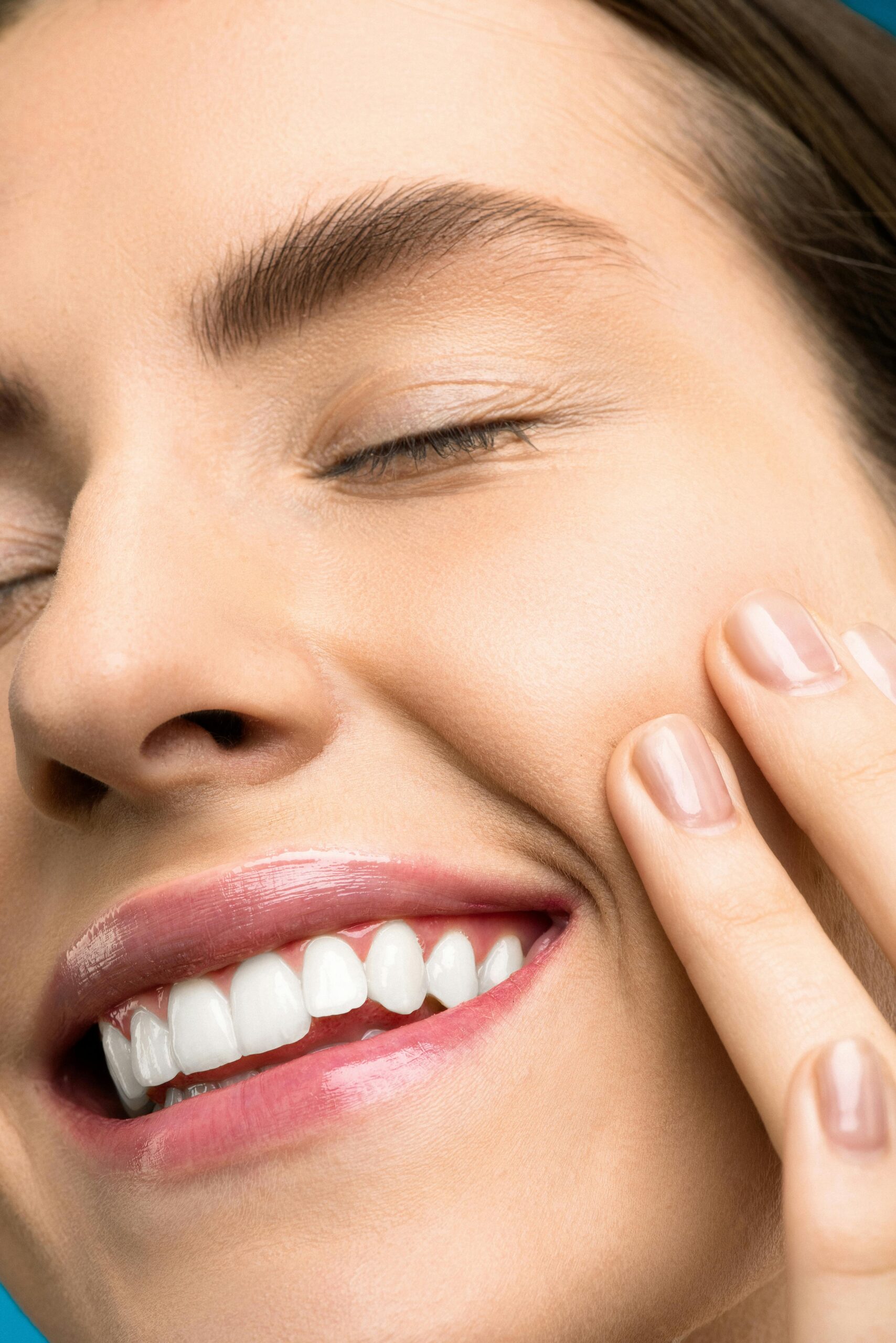
The beauty world is buzzing with a fresh perspective on what it means to look and feel radiant. Forget the endless pursuit of “tighter” or “lifted”. Today, people are coming into aesthetic practices with a more basic concern: “Why does my skin suddenly look so tired?”
Patients often arrive convinced they need fillers to restore their youthful appearance. But upon closer examination, we often find that it’s a profound hydration issue as opposed to volume loss. This crucial difference highlights that true skin glow originates from deep within, not just the surface.
Surface glow vs. true hydration
Skincare has never been more advanced, delivering impressive results. Serums promise plumpness, moisturisers promise intense hydration, and barrier repair creams promise to strengthen the skin’s outermost layer. They help, but there’s only so much a cream can achieve.
Topical products improve extrinsic hydration. They increase the water content in the surface layers and strengthen the barrier. That’s why skin looks instantly fresher. Intrinsic hydration, however, occurs deeper in the dermis, where collagen, elastin, and structural proteins are located. This is the layer responsible for bounce, resilience, and elasticity.
This is where treatments such as hyaluronic acid (HA) injectables, chemical peels, and Dermapen treatments, combined with hyaluronic serums, come into play, as they don’t just coat the skin; they change its water content from within, re-align the collagen, increase both collagen and elastin, and improve natural moisturising factors such as glycosaminoglycans (GAGs).
Intrinsic vs. extrinsic hydration
When dehydration is mistaken for volume loss, the wrong treatment plan follows. Adding structure to skin that is simply lacking water can create unnecessary fullness without addressing the root cause of dullness, fine lines, or that crepey texture patients struggle to describe. True volume loss changes facial contours. Dehydration changes the light reflection, elasticity, and smoothness. Therefore, it is important to know the difference between intrinsic hydration and extrinsic hydration.
Extrinsic hydration is what you see immediately after applying a good moisturiser: softness, light reflection, that short-lived glow. Intrinsic hydration is different. Hydration refers to the skin’s ability to bind and retain water within the dermal matrix, where collagen, elastin, and structural proteins live. When that internal water content drops, the skin looks thin, crepey, or dull, even if it’s well moisturised on the surface.
Fine lines are often mistaken for volume loss. In many cases, they’re dehydration lines. If you hydrate the dermis properly, those lines soften without adding structure.
When the dermis loses water, collagen fibres don’t function optimally. The skin looks flatter and less resilient. If we restore hydration to the correct depth, we often see improvement in fine lines and luminosity without adding volume at all.
What injectable hydration actually does
Unlike traditional fillers, injectable skin hydrators use deposits of hyaluronic acid distributed just beneath the surface. The goal isn’t contour. It’s water retention and stimulation.
Similarly, controlled resurfacing with hydrating chemical peels can stimulate renewal while supporting the skin barrier. Dermapen treatments allow hyaluronic acid serums to penetrate more effectively by creating microchannels, encouraging both hydration and collagen stimulation.
There’s no dramatic before-and-after. Patients just notice that their makeup sits better. Their skin reflects light differently. It looks healthy.
Hydrated skin is all about feeling radiant and truly reflecting your best self. If you’re pursuing that coveted glow, remember genuine beauty blossoms from deeply nourished skin, far beyond any superficial treatment.
Having hydrated skin is all about embracing a healthy, lit-from-within glow that truly reflects your best self. So, if you’re chasing that elusive radiance, remember true beauty starts with deeply hydrated skin, not just a surface fix.
Want to know more?
By late summer, many people notice the same shift: their skin tone looks less even than it did a few months ago. Freckles darken. Patches along the cheeks or jawline become more pronounced. When pigmentation changes, it’s rarely random. It’s the skin responding to UV exposure, inflammation, or hormonal shifts.
Hyperpigmentation is often viewed purely as a cosmetic frustration. In reality, it’s what your skin is trying to tell you. Find out more about it here.

![women [longevity live]](https://longevitylive.com/wp-content/uploads/2020/01/photo-of-women-walking-down-the-street-1116984-100x100.jpg)