
The benefits of physical activity to keep you healthy have been known for eons. Hippocrates wrote about the dangers of too little activity (and too much food). Tai chi, an exercise system of graceful movements that originated in China, dates from the 12th Century, and the roots of yoga, in India, go back much further. Today, these are all activities that, thankfully, are growing in popularity. And for good reason.
Exercise and Longevity
Modern researchers have managed to capture the benefits in countless research studies, to prove the science, and to warn of the dangers of ignoring this critical activity. In 2009, US exercise scientist Dr Steve Blair wrote in the British Journal of Sports Medicine that “physical inactivity is the biggest public health problem of the 21st Century”.
Indeed, over 50% of current health status can be attributed to unhealthy behaviors, with smoking, diet, and physical inactivity being the main contributors. But on the flipside, we’re witnessing the power of exercise as medicine in so many different ways in our daily lives.
Indeed, exercise has been used in both the treatment and prevention of a variety of chronic conditions, such as heart disease, pulmonary disease, diabetes, and obesity. Regular cardiovascular exercise is associated with a reduced risk of heart disease, which is a leading cause of mortality. It’s also good for weight management.
This is what moving your body does for your longevity
According to Harvard Health, the benefits of physical activity are legion. “We’re used to hearing about exercise fending off heart attacks. The American Heart Association promulgated the country’s first set of exercise guidelines in 1972. And it’s not hard to envision why exercise helps the heart. If you’re physically active, your heart gets trained to beat slower and stronger, so it needs less oxygen to function well; your arteries get springier, so they push your blood along better; and your levels of ‘good’ HDL cholesterol go up.”
It’s also not much of a surprise that research is showing that physical activity even helps to prevent diabetes. Muscles that are used to working stay more receptive to insulin, the hormone that ushers blood sugar into cells, so in fit individuals, blood sugar levels aren’t as likely to creep up.
Beating off cancer
Researchers are proving there is evidence to suggest exercise can also ward off cancer. Studies on breast, colon, endometrial, and perhaps even ovarian cancer have shown this. They’ve also found that, if you’ve had colon or breast cancer, physical activity reduces the chances of a recurrence. This is significant and should not be overlooked.
We know exercise boosts your brain and can reduce the symptoms of depression, and it changes the brain in ways similar to antidepressant medications.
In old age, physical activity may delay the slide of cognitive decline into dementia, and, even once that process has started, exercise can improve certain aspects of thinking.
By now, surely you’re motivated to get off the couch. Here’s a list of the top 10 exercises you should include in your longevity regime.
1. Cardiovascular exercise
- Walking or brisk walking: It’s a low-impact exercise that can be done by people of all fitness levels. And when you participate in the outdoors, there’s an even greater boost to your wellbeing.
- Running or jogging, or playing padel (or pickleball): It promotes cardiovascular health and helps to maintain a healthy weight. If you haven’t tried padel, you’re missing out on some of the best fun and exercise ever! It’s a great social game too.
 2. Strength training
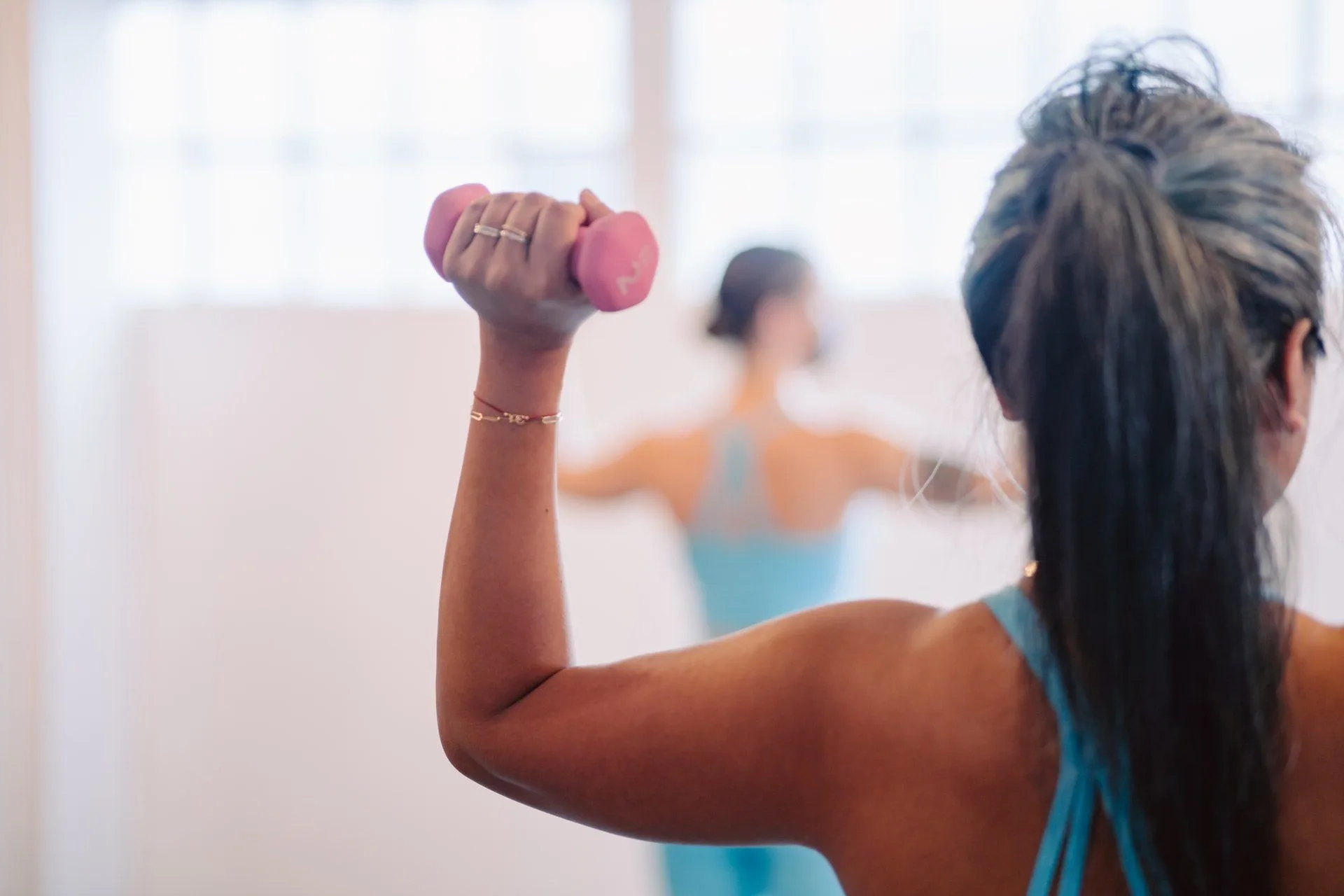
- Resistance training: This becomes more important as you age, for muscular strength, less atrophy, and cardio health. It helps to build and maintain muscle mass, which tends to decline with age.
- Bodyweight exercises: Squats, lunges, and push-ups are effective for building strength and balance.
3. Flexibility and balance exercises
- Yoga: It also promotes relaxation. The beauty of yoga is that it’s one of those exercises you get better at as you age.
- Tai chi: This Chinese martial art is a marvelous practice you can start at any age or stage of life. It focuses on slow, controlled movements, enhancing balance and flexibility. Called meditation in motion, it’s also very calming for the mind.
4. High-intensity interval training (HIIT)
- Short bursts of intense exercise followed by rest periods: This can be effective for improving cardiovascular health and boosting metabolism. Join a HIIT class if you don’t know where to begin. You’ll see the results quickly.
5. Swimming and water aerobics
- Low-impact exercise: Swimming is one of the most effective exercises for anyone, but particularly as you age (coupled with the fact that cold-water therapy is good for you). It reduces stress on joints while providing a full-body workout.
6. Cycling
- On the road, stationary biking or spinning classes: Cycling is great for cardiovascular health and leg strength. Often termed the “new gold”, it’s popular among middle-aged men, as it helps to keep weight under control, boosts mood, and improves fitness. It’s also a social sport, so it’s been found to be good for mental wellbeing. As an outdoor activity, it boosts your intake of vitamin D.
7. Pilates
- Core strength and flexibility: Like yoga, pilates is a miracle worker for posture and balance. The benefits for both are huge, and the evidence for both is strong. As a general rule, yoga focuses a little more on stretching, and pilates a little more on strength.
8. Golf
- Outdoor activity: Keeping your body supple as you age is very important, and golf does the trick very well. Scientific research clearly shows that there are significant physical and mental health benefits to be gained from playing golf. Legendary champion Gary Player (whom we feature earlier on in the magazine) is still playing actively at the age of 88.
- Social game: Not only is golf good for physical strength, balance, and fitness, but it can also provide the perfect opportunity for individuals of all ages and abilities to have fun, get fit, and socialize with family and friends.
9. Aerobic exercise
- Dancing: Aerobic activities such as dancing are not just fun; they’re also super–effective at boosting cardiovascular health. Join a dance class and learn how to swing, tango, or rumba.
- Live longer: Studies show that those who participate in regular aerobic exercise live longer than those who don’t exercise regularly. They may also have a lower risk of dying from diseases such as heart disease and certain cancers.
- Keep your mind sharp: Aerobic exercise will help to protect memory, reasoning, judgment, and thinking skills in older adults. It may also improve cognitive function in children and young adults. It can even help to prevent the onset of dementia and improve cognition in those living with dementia.
10. Nature-based activities
- Hiking: It contributes to longevity and overall wellbeing for several reasons: it’s an aerobic activity that gets your heart rate up, and promotes cardiovascular health. It’s also a weight-bearing exercise, which is beneficial for bone health.
- Weight-bearing activities: These help to maintain bone density and reduce the risk of osteoporosis, a condition more prevalent in older adults.
- Gardening: Never underestimate the power of mucking in. The benefits of gardening go far beyond connecting to nature and creating a beautiful yard. According to the US Centers for Disease Control and Prevention (CDC), getting out in the yard for just 30 to 45 minutes can burn up to 300 calories. One thing’s for certain, working with nature is also a great mood-booster, and not only will you feel and look good, but so will your yard!
Exercise is medicine. Here’s your prescription
A well-rounded fitness routine includes a mix of cardiovascular, strength, flexibility, and balance exercises, and is critical if you want to live better as you grow older.
Researchers have come to the conclusion that an adult between the ages of 18 and 45 needs at least 20 minutes of moderate exercise a day, at least five days a week. And 75 minutes a week of vigorous exercise.
Those older than 45 should do at least 150 to 300 minutes of moderate-intensity aerobic physical activity weekly. Most importantly, you need to engage in vigorous-intensity exercise throughout the week and muscle-strengthening exercises that involve all major muscle groups on two or more days a week, as these provide additional health benefits.
If you really want to work on your longevity, you should increase moderate-intensity aerobic physical activity to more than 300 minutes, or do more than 150 minutes of vigorous-intensity aerobic physical activity, or an equivalent combination of moderate- and vigorous-intensity activity throughout the week.
The bottom line
Whichever way you want to spin it, exercise is one of the keys to longevity. You need to move and keep moving. Find what moves you, because when you love to move, you won’t see it as a drag or a chore. You’ll look forward to it every day.
In addition, maintaining a healthy diet, staying hydrated ,and getting enough sleep are crucial elements in a pro-aging lifestyle.
Always consult with a healthcare professional before starting a new exercise regimen, especially if you have pre-existing health conditions.
This article first appeared in Longevity’s print and digitized edition Living Beyond 100. Details of where to buy a digital copy are listed below.
GRAB YOUR LONGEVITY 2025/6 COPY
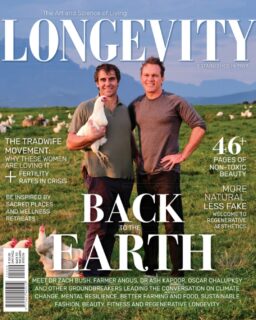 While the aforementioned article featured in the previous issue of Longevity, our latest issue includes even more incredible articles and features. Our “Back to Earth” issue is Longevity’s must-have edition for anyone ready to reflect on what we put in and on our bodies.
From expert insights with Dr. Zach Bush, Dr. Ash Kapoor, Oscar Chalupsky, Dr. Ela Manga, Dr. Maureen Allem, Dr. Anushka Reddy, Dr. Des Fernandes, Dr. Craige Golding, and many more, this issue explores everything from food, clean beauty, sustainable living, fashion, travel, and other mindful choices.
While available nationally in Southern Africa at your nearest Woolworths, Exclusive Books, and selectively at Superspar, Pick’n Pay, Airport lounges, and your local garage shop, you can also buy a digital copy at Zinio.com
Main cover photo: alexandra-tran-yKlzaQNb-QY-unsplash-jpeg.webp

![women [longevity live]](https://longevitylive.com/wp-content/uploads/2020/01/photo-of-women-walking-down-the-street-1116984-100x100.jpg)