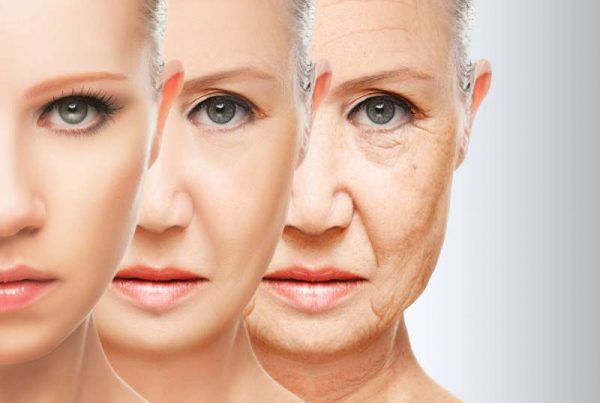

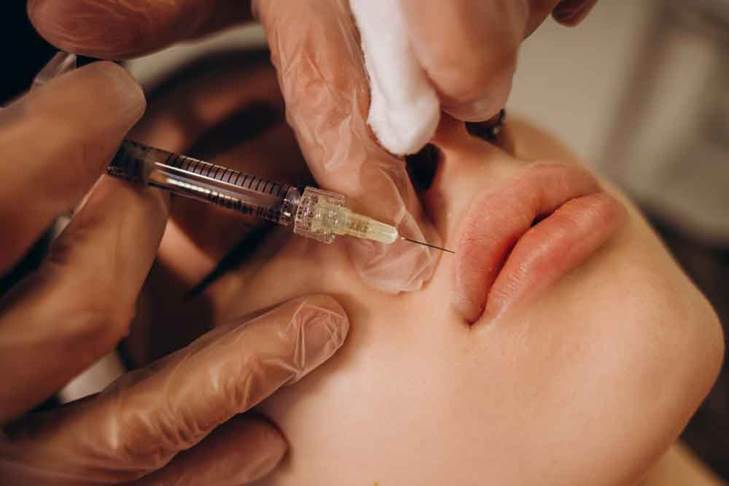
Injectables aren’t going anywhere. Patients love the speed, subtlety, and ‘done-in-a-lunch-break’ appeal. But a noticeable shift is emerging in consulting rooms: more people are arriving with “filler fatigue” and asking for a longer-term fix. These repeated top-ups are starting to blur the definition and change facial balance.
What is Filler Fatigue?
Sometimes called “pillow face”, filler fatigue has become one of the most common concerns drawing patients into plastic surgeons’ consulting rooms, as years of injectable treatments begin to change not only facial volume, but facial balance.
This issue is often only recognised once it has developed, particularly when volume-based treatments continue without a long-term structural plan. Fillers remain highly effective when used responsibly, but filler fatigue can occur when injectables are repeated over time, sometimes long after their benefits have plateaued.
In these cases, structural approaches such as an endoscopic facelift can restore contour by lifting and repositioning deeper tissue.
Filler fatigue is often misunderstood or only recognised once it has already developed. This is particularly true when volume-based treatments are continued without a long-term structural plan.
The risk
While fillers remain an effective solution when applied responsibly and in the right context, filler fatigue occurs when injectable treatments are used repeatedly over time, sometimes long after their benefits have plateaued.
The risk is excess volume, or even displacement.
Facial ageing is largely a downward movement of tissue driven by gravity. Fillers add outward projection. Used judiciously, the balance works. Used repeatedly to counter descent, volume can distort the face’s architecture rather than correct it, as the tissue needs to be lifted instead.
At that point, restoring structure rather than adding more volume becomes the more appropriate solution, which is where facelifts come into play. In many cases, earlier structural intervention, such as an endoscopic facelift, can also prevent the filler fatigue cycle from developing in the first place.
Understanding filler fatigue and surgical solutions
Filler fatigue refers to a gradual change in facial appearance that can arise when fillers are layered repeatedly to compensate for age-related structural changes, especially in the same areas. Over time, residual filler may then accumulate or subtly shift, dulling contours and softening transitions between facial features, and weighing the face down.
If injections continue after signs of filler fatigue begin to appear, faces can even balloon, with over-projected cheeks, overstretched skin, unnaturally thickened lips, compressed eyes, and restricted facial movements. Rather than restoring youthfulness, this can leave the face looking heavier, flatter, or unfamiliar.
Plastic surgery to remedy filler fatigue?
In response to poorly applied fillers and filler fatigue, a growing number of patients are turning to professional plastic surgeons for solutions to restore structure, definition, and expression.
A common solution is facelifts, clinically known as rhytidectomies. These address ageing at a structural level by lifting and repositioning underlying tissue, tightening supporting muscles, removing excess fat, and re-draping the skin – all without adding additional volume.
And for patients experiencing filler fatigue, Professor Sofianos says the endoscopic facelift has become a particularly important option.
Restoring structure without overcorrection
An endoscopic facelift is a minimally invasive procedure that focuses on the upper and mid-face, using small, hidden incisions and a camera-guided technique to lift and reposition deeper facial structures rather than pulling on the skin.
Because the skin is largely left intact, visible scarring is minimal and recovery time is generally much shorter than with traditional facelift surgery. The results appear more natural and allow patients to use their natural facial expressions.
Given its less invasive approach, endoscopic facelifts are also well-suited to patients in their 30s and 40s with early to moderate signs of aging, particularly in the brow, upper cheeks, and midface, who want rejuvenation with minimal downtime.
The camera changes everything. The magnification allows for exact placement and minimal disruption, returning the tissue to a more natural position and restoring the balance seen before the distortion set in.
Breaking the cycle of overfilling
In many filler-fatigued faces, volume is still present, but simply in the wrong place. Structural lifting with endoscopic facelifts allows tissue, natural fat, and any remaining filler to settle more naturally, reducing puffiness and restoring definition. This often breaks the cycle of filler fatigue, making lighter, more selective treatments possible again, or unnecessary altogether.
The goal isn’t to reject fillers. It’s simply to emphasise the importance of using the right tools at the right time.
For patients with filler fatigue, a facelift may help to address the problems at their source rather than attempting to mask it with more volume. When structure is restored, the face then looks more natural, clear, youthful, and expressive, empowering patients to move forward with the right balance rather than excess.
Who is the author?
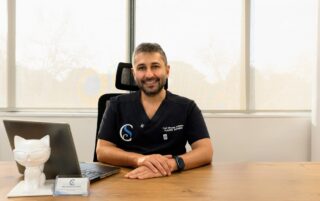 Professor Chrysis Sofianos is a Johannesburg-based plastic and reconstructive surgeon and Professor and Head of Plastic Surgery at the University of the Witwatersrand. He consults and operates at Life Bedford Gardens Hospital. Raised in a Greek Cypriot household, with both parents practising medicine at Chris Hani Baragwanath Academic Hospital, he developed a strong sense of service, humility, and responsibility from an early age.
He holds MBBCh, MSc, FC Plast Surg (SA), MMed, FRCS (Plast), FACS, FEBOPRAS, with specialist training in plastic and reconstructive surgery completed at the University of the Witwatersrand. His international experience includes a microsurgery fellowship at Guy’s and St Thomas’ NHS Foundation Trust in London, with advanced exposure to breast, head and neck, lower limb and microsurgical reconstruction, as well as advanced aesthetic surgery training under leading international experts.
Professor Sofianos’ work spans both aesthetic and reconstructive surgery, with clinical interests that include deep plane facelift surgery, lip lift procedures, breast augmentation, and abdominoplasty, and body contouring. He is known for a patient-centered, evidence-based approach that prioritizes safety, education, and natural-looking outcomes, and he has contributed to the field through peer-reviewed research and publications.
He is also active in community initiatives that expand access to care, including cleft lip and palate surgery through programs such as Operation Smile. Outside of theatre, he has a strong interest in technology and design, and has developed digital tools that support surgical planning. He is also the founder of BossMatcha and has launched wellness products, reflecting his wider interest in innovation and wellbeing.

![women [longevity live]](https://longevitylive.com/wp-content/uploads/2020/01/photo-of-women-walking-down-the-street-1116984-100x100.jpg)