
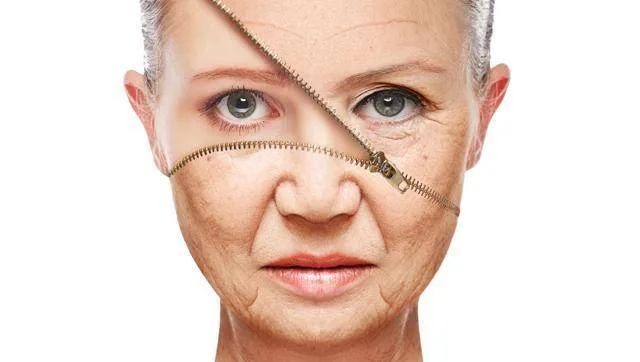
Research tells us that the number of centenarians is expected to rise as the rates of life expectancy rates around the world continue to increase. Now, if we reach 100, we’re starting to wonder not only about how good we’ll feel, but how good we’ll look too.
Face the truth
Many of the changes that come with aging are made evident through the skin.
“As aging advances, there is greater damage to collagen and elastin in the skin,” explains Dr. Tarryn Jacobs, a Pretoria-based specialist dermatologist. “Skin can become drier and thinner (which can lead to easy bruising), more age spots may develop, as well as deeper wrinkles. Also, as we age, we sweat less.”
The decline in the levels of estrogen as a result of menopause can also contribute to dryness, wrinkles, thin skin, impaired wound healing, and impaired barrier function of the skin. “You may also notice more hair on your face and less on your scalp,” Jacobs says.
If that’s not enough, aging causes loss or redistribution of fat in the face. This can contribute to the appearance of wasting at the temples, or marionette lines and nasolabial folds (laugh lines). “On top of this, there are changes in facial muscles and underlying cartilage and bone.”
Why a smile is so important
Then, your smile transforms too.
“As we age, our oral health can be impacted in multiple ways,” says Dr Zak Schabort, a Cape Town dentist specializing in the field of aesthetic dentistry. “Natural wear and tear can lead to tooth decay and gum disease, while age-related bone loss in the jaw may cause tooth loss and changes in facial structure.”
Certain medications can also reduce saliva production, which results in dry mouth and raises the risk of tooth decay and oral infections, he adds.
But poor oral health can affect more than the appearance of your teeth; it can also impact your longevity, notes Barty Walsh, founder and CEO of dental health company Ordo. “Studies have shown that more than 50 systemic health conditions – including Alzheimer’s, diabetes, and heart disease – are associated with oral disease.”
It’s clear, then, that you shouldn’t neglect your dental health when planning your aging beauty guide.
With 100 in mind
The global anti-aging beauty industry is expected to be worth around US$60 billion by 2030, driven by consumers’ need to retain a youthful appearance.
There are plenty of treatments available.
“Non-invasive procedures, including laser therapy, radiofrequency, and chemical peels, can effectively rejuvenate the skin in individuals in their 70s and beyond,” says Dr Anushka Reddy, a Johannesburg aesthetic practitioner with a special interest in cosmetic dermatology and advanced aesthetics.
“I also find that bio-stimulators such as Sculptra and other poly-lactic acid fillers help to stimulate collagen production and improve the skin’s structure and thickness, reducing skin laxity and firming and lifting the face.”
Dr Debbie Norval, a Johannesburg aesthetic medicine practitioner, adds that there are also neck treatments and hair-rejuvenation treatments available. “Thinning hair is a common concern for older patients, so hair-restoration therapy includes serums, growth factors, PRP, microneedling, carboxytherapy, oral supplements, and hormones.”
Sclerotherapy is also popular
“Removal of fine spider veins, as well as blue feeder veins and larger, bulging varicose veins, is possible at any age,” Norval says. And as the skin on the hands can become papery-thin, mottled with pigmentation, with prominent veins and tendons, there are effective aesthetic hand treatments to address these concerns.
If you’re bothered by your aging smile, Schabort mentions dental implants, dentures, dental bridges, and implant-supported dentures. “The choice depends on factors such as overall health, bone density, and personal preference, and should be made in consultation with a dental professional,” he says, adding that customized treatments work to provide less invasive and more comfortable options for elderly patients, ultimately enhancing their quality of life.
“In modern dentistry, our holistic approach to elderly care focuses on preventive dentistry and overall well-being. Advanced technologies and AI-powered detection systems enable us to detect and prevent oral health issues earlier, contributing to improved outcomes.”
The eligibility factor
Despite the effectiveness of these treatments, not everyone is automatically eligible for them. There are a few factors to consider.
According to Reddy, an individual’s overall physical health is crucial. “Procedures that require anesthesia or involve significant trauma to the body may be riskier for older individuals with existing medical conditions or a compromised immune system.”
Older patients are also more likely to have chronic conditions such as hypertension, diabetes, gut issues, and autoimmune diseases. “Hair loss is a good example. If a patient has an underactive thyroid, low iron level,s or a vitamin D deficiency, hair-restoration treatment will simply not work,” Norval says. “A competent aesthetic doctor will first address these underlying issues before starting expensive treatments.”
Beauty and your health
Because elderly individuals often take multiple prescription medications, this can affect their ability to undergo certain procedures, or even interact with anesthesia or post-operative medications, Reddy adds. As such, it’s imperative to assess potential drug interactions and consult with medical professionals.
What’s more, with aging comes the risk of poor cognitive function, and cognitive function is crucial for providing informed consent and following post-operative instructions. “Individuals with significant cognitive impairment may not be suitable candidates for more invasive procedures,” she says.
In addition, collagen production starts to dwindle from the age of 30, and we lose 1% of our collagen per year after that, Norval explains. “As the skin of an older patient can be very weak and fragile, injectable products that potentially show through thin skin are to be avoided, such as certain threads and dermal fillers.”
The passing years can also cause lymph drainage to be poorer and blood vessels to be more fragile. “As a result [of the poor lymph drainage], complications from hygroscopic products, such as dermal fillers, can cause water retention and chronic swelling, whereas the easy tearing of the blood vessels makes bleeding more common.”
To better protect the health of an elderly patient, there should be open lines of communication and collaboration between the patient’s aesthetic doctor and other medical professionals they may be seeing. “Almost every elderly patient will be seeing a specialist of some sort, be it a cardiologist, a gastroenterologist, or an oncologist, “ says Norval.
“This consideration will go a long way to raise the respect of the aesthetic industry and, most importantly, to protect the patient.”
Older patients and beauty considerations
And it’s more than the physical health of the elderly patient that an aesthetic doctor should be aware of.
“Older patients might be concerned about their budgets, as pensioners often don’t have disposable income, which can affect their choice of treatments,” says Norval. “An ethical aesthetic doctor should always be sensitive to their patient’s finances and should protect them from making decisions that will drain their bank account, yet not make a noticeable difference to their appearance.”
While aesthetic procedures, especially in senior patients, can positively impact their self-esteem and quality of life by addressing visible signs of aging and boosting confidence in appearance, Reddy agrees that it’s important not to get carried away. “Realistic expectations and psychological well-being should be considered in treatment planning,” she says.
Non-treatment treatment
There are many ways to age well, and you don’t necessarily need an aesthetic treatment to do so, Jacobs believes. “As 80% of skin aging is related to UV exposure, it’s also very much in our control. At this stage, sun protection still offers benefits in terms of reducing the risk of skin cancer and preventing excessive wrinkles, age spots, and discolored skin, which we call photoaging.”
As opposed to looking at aging as something that needs to be avoided or cured, Jacobs suggests seeing it as a process that needs to be optimized. “Be proactive with your skincare routine, and if you haven’t incorporated a vitamin A-derived product into your skincare routine (called retinoids), this is a good place to start, as they stimulate collagen production.”
She also advises that you be aware of your skin cancer risk and go for annual skin examinations with a doctor.
Self-skin screening is important
“Know what to look out for; a simple self-skin cancer screening process should be a part of your monthly skincare routine.”
In terms of nutrition, not only is a balanced diet important to prevent chronic diseases, but it’s also been shown to reduce signs of skin aging, she adds.
According to Schabort, maintaining good oral health is crucial. Regular brushing with fluoride toothpaste and daily flossing can help prevent tooth decay and gum disease. “Many older individuals find electric toothbrushes easier to use and more effective at removing plaque, especially for those with limited dexterity.”
He recommends the use of water flossers, or water picks, as they use a stream of water to clean between teeth and along the gumline, making it easier for those with dexterity issues to maintain good oral hygiene. “It’s also important for seniors with dentures to clean them daily, and give their gums a break by removing the dentures at night,” he says.
“Finally, staying hydrated is essential for combating dry mouth, a common issue among seniors, and seniors should make sure to have regular dental check-ups to catch any issues early and receive professional cleanings.”
When all is said and done, some patients over 70 don’t want to waste time and money desperately trying to look younger, says Norval. “They want to be proud of their age and look their best version of themselves, healthy and refreshed. No longer trying to erase every line and wrinkle, older patients are asking that their faces match their personality and how they feel inside.”
This article first appeared in our Longevity edition, Living Beyond 100. This edition is packed with content themed on Living Beyond 100, and one of the articles explores how to maintain youthful skin as we live longer.
You can find a digital copy at Zinio. Buy a copy here: Longevity Magazine Format Edition
GRAB YOUR LONGEVITY 2025/6 COPY
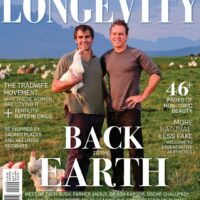 While the aforementioned article featured in the previous issue of Longevity, our latest issue includes even more incredible articles and features. Our “Back to Earth” issue is Longevity’s must-have edition for anyone ready to reflect on what we put in and on our bodies.
From expert insights with Dr. Zach Bush and Dr. Ash Kapoor to Oscar Chalupsky, Dr. Ela Manga, Dr. Maureen Allem, Dr. Anushka Reddy, Dr Des Fernandes, Dr. Craige Golding, and many more, this issue explores everything from food, clean beauty, sustainable living, fashion, travel, and other mindful choices.
While available nationally in Southern Africa at your nearest Woolworths, Exclusive Books, and selectively at Superspar, Pick’n Pay, Airport lounges, and your local garage shop, you can also buy a digital copy at Zinio.com

![women [longevity live]](https://longevitylive.com/wp-content/uploads/2020/01/photo-of-women-walking-down-the-street-1116984-100x100.jpg)