

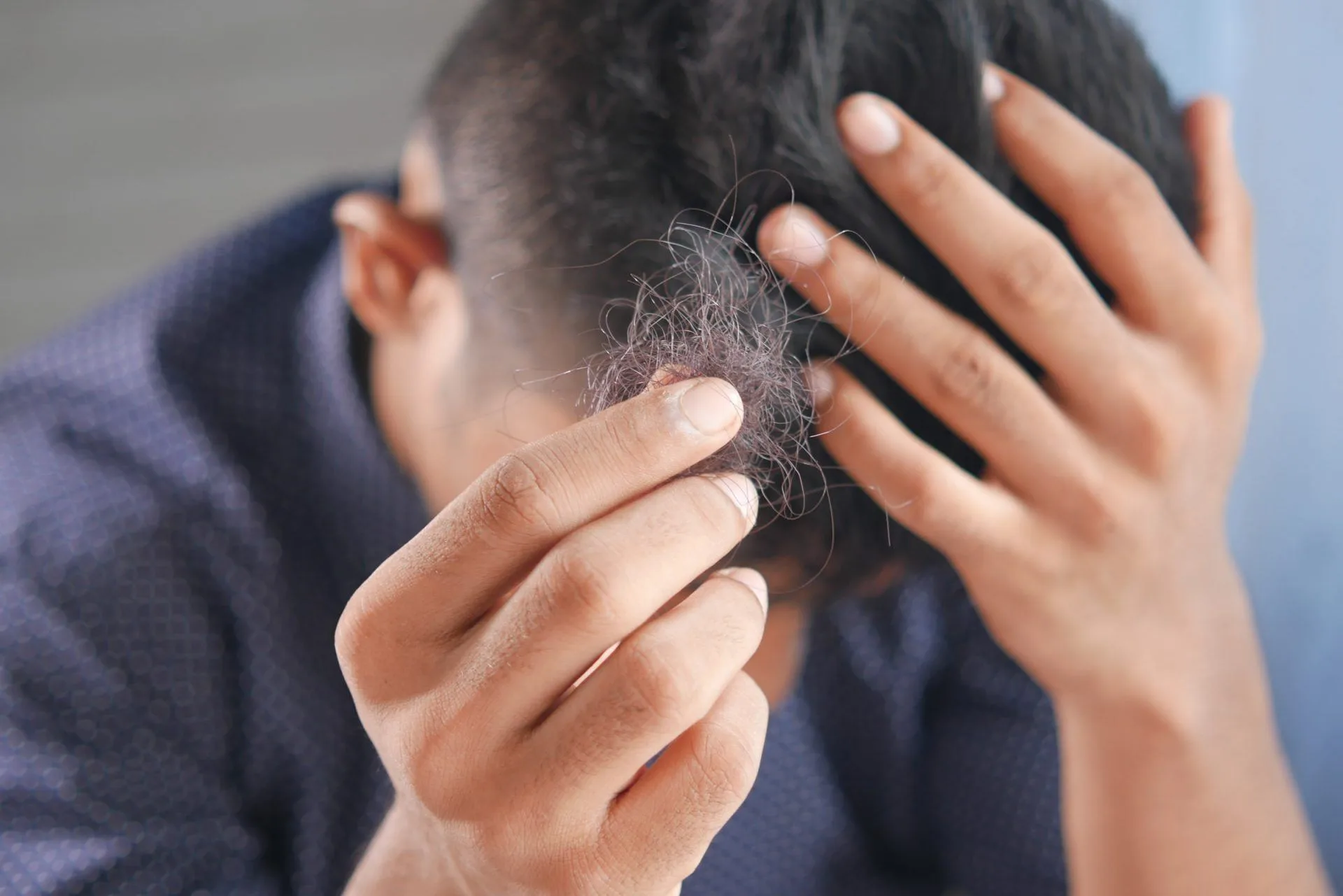
With about 85% of men and 50% of women experiencing hair loss, it’s clear that this is an area of concern for many, which is why so much attention and research is poured into addressing it. While hair loss is often linked to genetics, hormones, and aging, some lifestyle factors are not being considered. For instance, sleep may also play a role, as can chronic stress.
With that, Dr Kashmal Kalan, Medical Director at Alvi Armani South Africa, unpacks the relationship between sleep, stress and hair loss, which is becoming an increasingly important area of interest in hair restoration medicine.
From emergency medicine to hair restoration
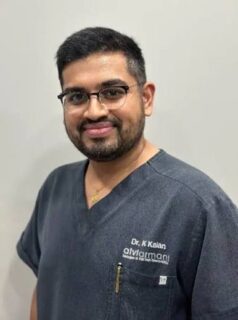
Kashmal Kalan
Having initially pursued emergency and trauma medicine, Dr Kashmal Kalan built experience in high-pressure clinical environments, working towards internationally recognised qualifications including Advanced Trauma Life Support (ATLS), Advanced Medical Life Support (AMLS) and Paediatric Advanced Life Support (PALS).
Now, while his early career was firmly rooted in saving lives, he soon began questioning whether it was something he wanted to pursue for the rest of it. Having come from a family of doctors – including both his parents, his brother and his wife – he understood the realities of medical practice, and watching his parents remain passionate about their work decades into their careers made him consider his position in medicine and seek the same long-term fulfillment.
Soon after conversations with family in the United States, where he found himself exploring the growing field of cosmetic surgery, including invasive procedures and hair transplantation, he noted how little attention hair loss was receiving as a medical concern in South Africa.
“For many years, I think specifically in South Africa, the notion was you losing your hair, shave it off. If your hair is thinning, go and get a specific style that fixes it, or put a wig on. But no one really focused on the medical aspects of hair loss, and more importantly, the surgical restoration of it as well.”
As a result, Dr Kalan began researching the field and eventually applied to the Alvi Armani Centre, an internationally recognised hair restoration organisation with operations in Beverly Hills and Los Angeles.
He was selected, travelled to Los Angeles and entered the training programme, and before long, he received the expertise and approval to establish Alvi Armani South Africa with his partners, and the Johannesburg practice opened in 2018.
Today, Dr. Kalan’s work focuses on hair loss, hair restoration and transplantation, and through his focus, he works to explore the unique factors that may influence hair health.
Why do we lose our hair in the first place?
According to Dr Kalan, the most common form is androgenetic alopecia (male or female pattern hair loss), and it is largely driven by genetics and hormones,
“In men, the genes interact with the hormone dihydrotestosterone (DHT), and these genes allow DHT to enter the follicle, starting to cause shrinkage or damage to the roots of those follicles.”
This is why you’ll notice that, specifically with males, it’s a very gradual process in terms of one losing their hair,
“At least two-thirds of males will tend to thin or lose their hair by the time they get to 50,” Kalan adds.
It’s not only men that experience hair loss, as so do women, except that it presents differently, more so as thinning along the central parting or around the temples.
However, genetics and hormones are only part of the picture, as autoimmune conditions, inflammation, thyroid dysfunction, and nutritional deficiencies can all contribute to hair loss, which is why Dr Kalan stresses the importance of identifying the underlying causes before even thinking about hair treatment,
“If you’re going to paint every hair loss type as just being male pattern balding or female pattern balding, you’re going to miss the boat, and you’re going to misdiagnose and either under- or over-treat, so having a consultation done is extremely important because we get a firm understanding of what this particular individual’s cause of hair loss might be and once we have a definitive diagnosis, we can then curate a treatment plan that would be medically successful for the patient.”
Stress and hair loss
Stress is normal, but chronic stress is something that we should all worry about, especially because of its effect on the body. Not only can it increase the risk for chronic conditions like heart disease and hypertension, but it can also lead to hair loss.
Interestingly enough, as explained by Dr Kalan, when it comes to stress-related hair loss, sometimes the shedding can begin months after the stressful event itself, and this delayed response is often why people don’t make the connection.
As hair grows in cycles – growth, transition, rest, shedding – chronic stress can disrupt this cycle, leading to telogen effluvium, which is when a greater proportion of hair follicles fall out during the shedding phase, which comes much later. Essentially, hair loss is not always a reflection of what is currently happening in someone’s life, but instead a delayed response to something that they experienced some time earlier.
Can poor sleep cause hair loss?
After coming across a 2026 review published in the journal Dermatology and Therapy exploring the relationship between sleep and hair loss, Dr Kalan began to reconsider the role of sleep and how it should be assessed in patients dealing with hair thinning and hair loss,
“Understanding the importance of sleep, understanding what role it plays in our psyche, what role it plays in our metabolism, and what role it plays in our overall functioning and well-being, it would make 100% sense that if your sleep is not where it should be, there could be a causative link to your hair and hair loss.”
While research is still in its early phases, we should note that sleep can influence other areas that have been linked to hair health.
For instance, poor sleep can worsen stress, anxiety, depression, eating habits, and even nutritional deficiencies and thyroid disorders, which are factors we know can influence hair growth and shedding, and so improving sleep quality may help to address hair loss,
“The main causative link is if you do have sleep disturbances and if you don’t have quality sleep, the rate at which you start losing hair increases dramatically,” Kalan says.
Time asleep vs quality of sleep
In addressing the benefits of good sleep for healthy hair, Dr Kalan points out that the amount of time spent in bed does not directly translate to the quality of sleep one achieves,
“You can be sleeping for eight hours, but if you’re waking up every 15 minutes because of sleep apnea, you are definitely not getting into deep sleep.”
For Dr Kalan, during lengthy hair transplant procedures, he’s noticed that his patients appear to have underlying sleep disturbances, and as a result, he’s encouraged some of them to seek a sleep assessment or undergo a formal sleep study.
Innovations in hair loss treatment
While the science on sleep and hair loss is still developing, Dr Kalan does see the findings changing the way practitioners approach hair loss treatment.
Initially, patients with hair loss may have been assessed for genetic patterns and hormonal causes, but now Kalan has begun adding sleep questions into his consultations to determine if there may be any other underlying health concerns.
For him, the goal is to build a better understanding and potentially bring further clarity to the relationship between sleep, stress, and hair loss.
When should you be concerned about hair loss?
According to Dr Kalan, most people lose approximately 50 to 100 strands of hair a day as part of the natural hair growth cycle; however, concern arises when that number reaches 200 to 300 strands a day.
Admittedly, it’s easier for women to identify excessive shedding because of their longer strands, which tend to be more visible in the shower, on hairbrushes, and around the house. While it’s not as easy as men not to notice the same changes, Kalan cautions against dismissing significant changes in hair loss because it’s common.
Dr Kalan points out that hair can sometimes offer clues about underlying health conditions that have not yet been diagnosed. He has even encountered patients presenting for hair restoration whose medical assessments revealed more serious underlying conditions, including cancer,
“We’ve had patients come through to have hair transplantations, but after analyzing them and doing a thorough workup, we’ve found they have an underlying cancer diagnosis, and that was the trigger to the whole problem of them losing their hair. So, to that point, your hair tells incredible stories about what your overall health is.”
Look after yourself to look after your hair
Yes, many of us are quite sensitive about our hair and the role it plays in our appearance, but Dr. Kalan cautions against viewing hair loss as an isolated cosmetic problem, especially because it can tell us more about our health than we think.
Stress, nutritional deficiencies, thyroid problems, and possibly poor sleep quality can all contribute to the picture, and so Dr Kalan’s advises seeking medical advice early so that the root cause can be identified and treatment options can be explored.
As for the treatment, the options don’t always mean medication or surgery, as hair transplantation is not a universal solution. In fact, a change in lifestyle habits may be exactly what you need for a healthier you and healthier curls,
“A reset doesn’t just work for big organs, the ones that we know, your brain, your heart, your kidneys, your liver, your muscles, your skin. It also works for your hair follicles.”
With a proper reset and understanding the relationship between hair health and overall longevity, we can ensure that we live in a way that allows both our bodies and hair to recover, regulate, and replenish themselves.
Watch the interview
View this post on Instagram
 Who is Dr Kashmal Kalan?
Dr Kashmal Kalan is an honorary member of the International Golden Key Society and a graduate with distinction from the Wits School of Medicine.
Dr Kashmal Kalan was trained at one of South Africa’s most prestigious academic hospitals, Charlotte Maxeke Johannesburg Academic Hospital, where he gained valuable experience and skill in surgical specialties. Dr Kalan then went on further with his passion for emergency and trauma medicine by working at the Hillbrow Community Health Center.
During his time there, Dr Kalan enhanced his knowledge and perfected his hand skill as well as completed several internationally recognized courses. These include Advanced Trauma Life Support (ATLS), Advanced Medical Life Support (AMLS), Paediatric Advanced Life Support (PALS) as well as Neonatal Resuscitation.
Alvi Armani South Africa is operated by Dr Kalan. His compassionate, patient-centered philosophy and individualized artistic approach to protecting, enhancing, and restoring the appearance and health of the hair and scalp is what sets him apart from non-specialists and other practitioners. Known for his meticulous and artistic approach to hair transplant surgery, Dr Kalan ensures his hairlines and density are indistinguishable from a natural hairline, even from a high-definition close-up, bringing his art to life.
References
Boghosian, T., Mendez, H., Sayegh, M., Rabionet, A., Beer, J., & Tosti, A. (2026). The Intersection of Sleep and Hair Loss: A Systematic Review. Dermatology and Therapy, 16(2), 937. https://doi.org/10.1007/s13555-025-01641-6