

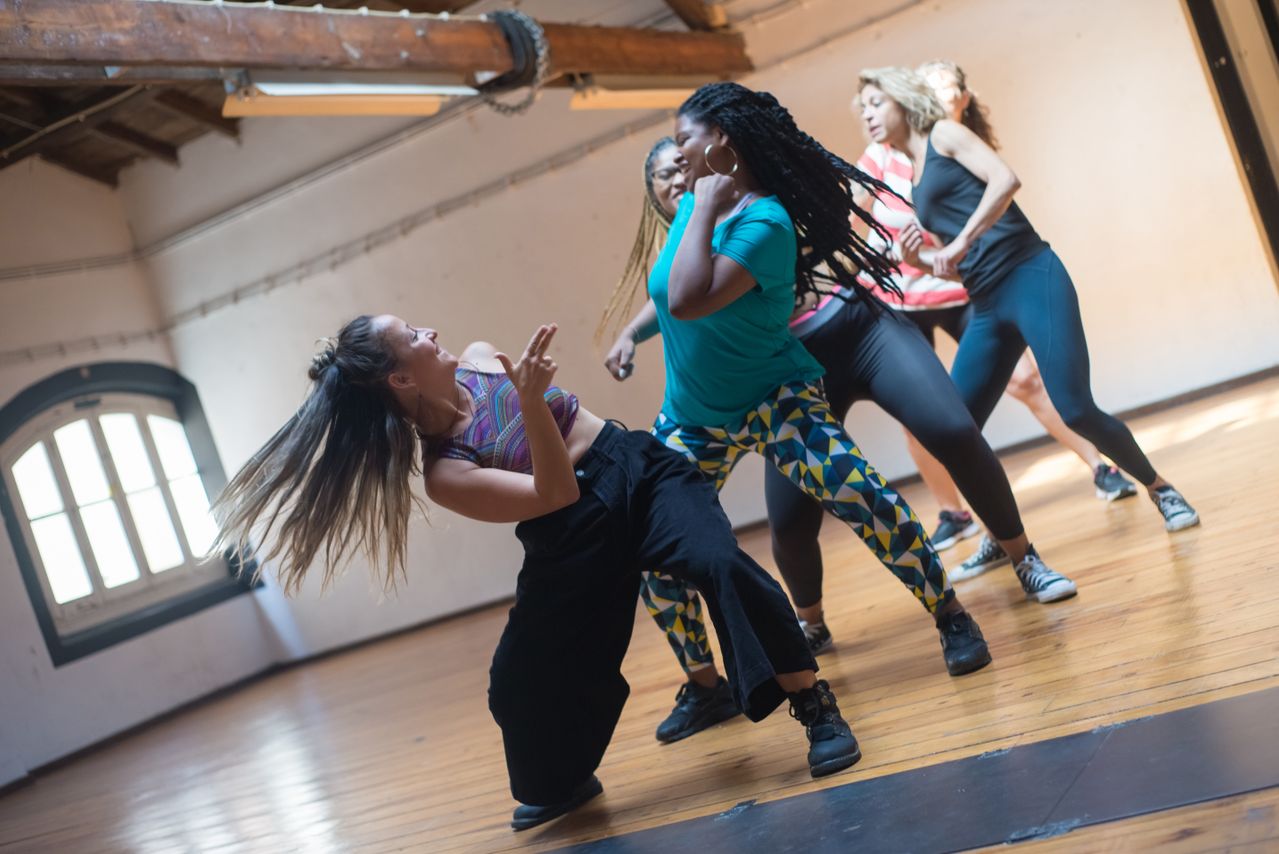
Menopause is an unavoidable aspect of a woman’s life, and with it come uncomfortable symptoms, including poor mood, which can impact quality of life. As a result, women continue to seek natural remedies to help manage these symptoms, and one recent study suggested that a Zumba class may do just that.
Menopause and mental health
A 2023 study published in Australasian Psychiatry found that menopause increases vulnerability to depression and anxiety, potentially due to estrogen fluctuations affecting brain chemicals like serotonin and GABA. Additionally, a 2022 report, Menopause and the Workplace by the Fawcett Society and Channel 4, polled 4000 women aged 45-55 and found that 10% had left their job because of symptoms of the menopause.
As such, it’s imperative to identify and access non-pharmacological interventions for menopausal symptoms, such as exercise. A recent study reviewed clinical trials to determine the effectiveness of physical activity interventions for improving depression, anxiety, mood, cognition, stress, and quality of life in women during the menopausal transition.
Is Zumba the key for menopausal symptoms?
The most recent study reviewed 12 clinical trials involving more than 1000 people aged 40 to 65. The types of physical activity in the review were broken into two categories: aerobic-based exercises (ABIs) and mind-body activities (MBAs). ABIs included aerobic exercises like Zumba, walking, dance, and taekwondo, whilst MBAs included yoga, tai-chi, Pilates, and stretching.
According to the findings, published in Menopause, regular physical activity improved mood and overall quality of life during menopause.
“Physical activity is an effective, accessible, non-pharmacological strategy to support psychological well-being and quality of life during midlife menopause.” – Professor Aimee Spector, senior study author
The researchers found that ABIs had a stronger effect on reducing depressive symptoms and improving overall quality of life, especially during perimenopause, whilst MBAs were shown to better improve psychological quality of life.
How does exercise improve menopausal symptoms?
Exercise has great effects on the body for various reasons, including in terms of menopausal symptoms, exercise’s ability to support mood, and improve sleep. What’s more, exercise also helps to preserve muscle and bone density, which typically weakens as estrogen levels drop, thus reducing the risk of osteoporosis.
Should people going through menopause take up Zumba?
Study lead author and NHS clinical psychologist Simone Saidel added that as treatment options for menopause are limited, with many women being unable to or choosing not to take hormone therapy, the study “plays an important role in expanding the options available for symptom management, whereby clinicians may recommend it as an early intervention or an adjunct to medical or psychological treatments.”
That said, further research is still needed to establish which exercises are most beneficial for women going through menopause, and how best they can be implemented.
Want to know more?
Menopause is an unavoidable transition in every woman’s life, yet this change may have more serious effects than previously believed. A recent study suggested that those entering menopause at an earlier age may be associated with an increased risk of accelerated brain decline.
References
Alblooshi, S., Taylor, M., & Gill, N. (2023). Does menopause elevate the risk for developing depression and anxiety? Results from a systematic review. Australasian Psychiatry, 31(2), 165. https://doi.org/10.1177/10398562231165439
Bazeley, A., Marren, C. and Shepherd, A. (2022). Menopause and the Workplace. [online] Fawcett Society. Fawcett Society. Available at: https://www.fawcettsociety.org.uk/Handlers/Download.ashx?IDMF=9672cf45-5f13-4b69-8882-1e5e643ac8a6.