

South Africa: As cosmetic procedures continue to gain widespread popularity in South Africa, reports of complications and “botched” results are becoming increasingly common. The biggest issue, in my view, is not the procedures themselves, but rather who is performing them and why patients seek them.
A Plastic Surgeon’s Guide To Avoiding Cosmetic Mishaps
One of the single biggest risks I see right now is the use of unqualified practitioners. In South Africa, anyone can market themselves as a ‘cosmetic doctor’, but I have observed how a lack of anatomical knowledge and poor sterile techniques can result in serious complications requiring complex revision surgery.
Technology, and social media in particular, plays a major role here – not only in creating unrealistic expectations, but also in fostering a risky environment. Patients today are more aware and often more critical of their appearance because of selfies, video calls, and filters.
Surgery, however, cannot replicate FaceApp or Instagram filters, yet I continue to see influencers promoting clinics and practitioners without verifying credentials, often using edited ‘before and after’ images.
The issue is compounded in South Africa by widespread title confusion. There is a lack of understanding around who is qualified to perform different cosmetic procedures.
Examining injectables
For injectables such as Botox and fillers, I advise patients to consult a plastic surgeon or dermatologist. A GP may be acceptable if they have properly accredited aesthetic training, but I advise patients to be cautious of practitioners trained through short or ‘weekend’ courses. Hair transplants, meanwhile, should only be performed by doctors specifically trained in hair restoration surgery – often plastic surgeons or dermatologists with this expertise.
Unpacking surgery
When it comes to surgical procedures such as facelifts, breast surgery, or liposuction, only a specialist plastic and reconstructive surgeon registered with both the Health Professions Council of South Africa (HPCSA) and the Association of Plastic, Reconstructive & Aesthetic Surgeons of Southern Africa (APRASSA) can perform these surgical procedures. This is non-negotiable.
When the wrong provider performs the wrong procedure, the risk of complications increases substantially – and poor outcomes are often far harder to correct, risking permanent damage.
These are not rare scenarios. These are complications I see regularly in clinical practice, often linked to poor practitioner selection, inappropriate treatment choices, or excessive intervention.
Common examples include overfilled faces resulting in distorted proportions, poorly performed liposuction or Brazilian Butt Lift (BBL) procedures leading to asymmetry or, in severe cases, fat embolism, and poorly done breast surgery causing capsular contracture or implant malposition.
Which products to use
The use of unregulated products is another issue – one that is escalating. Counterfeit Botox and fillers pose significant risks. In some cases, complications have included tissue necrosis (skin death), long-term granulomas (hard lumps), and permanent disfigurement.
The regulatory approval around products used in cosmetic procedures is black and white. If a product is not approved by the South African Health Products Regulatory Authority (SAHPRA), it should not be used.
Checking credentials
To ensure the practitioner used is fully qualified and everything is above board, verifying credentials is the most important step. Patients should check registration with the HPCSA and membership with APRASSA, before also asking about training and experience. Finally, insist on a proper consultation that includes a full medical history and risk discussion.
In terms of warning signs, a rushed procedure and extremely low prices should raise immediate alarms. If a practitioner does a same-day consultation with a procedure push, that’s a red flag, and if prices seem too good to be true, they probably are.
Aftercare is equally critical. If your provider disappears after the procedure, that’s a serious warning sign.
Takeaway
Cosmetic procedures – even ‘lunchtime treatments’ – are still medical procedures and carry risks. However, when done correctly, cosmetic work can be safe and rewarding. But if done poorly, it can have serious consequences.
Who is the author?
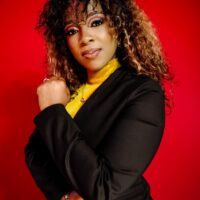
Dr Nombulelo Metuse
Dr. Nombulelo Metuse is a Plastic and Reconstructive Surgeon, born in Welkom in the Free State province and grew up in King Williams Town in the Eastern Cape. She obtained her MBChB degree at the University of Limpopo (MEDUNSA) and Masters degree (MMed) in Plastic Surgery at the University of Pretoria (UP). She is the first black female plastic and reconstructive surgeon to qualify from UP. She has been serving in the public sector for over 12 years and in the private sector for 5 years.
With a special interest in Cosmetics, Aesthetics, and Craniofacial Plastic Surgery, Dr. Metuse is passionate about teaching and believes an informed patient is the most compliant, hence she invests more time in educating her patients.

![women [longevity live]](https://longevitylive.com/wp-content/uploads/2020/01/photo-of-women-walking-down-the-street-1116984-100x100.jpg)