

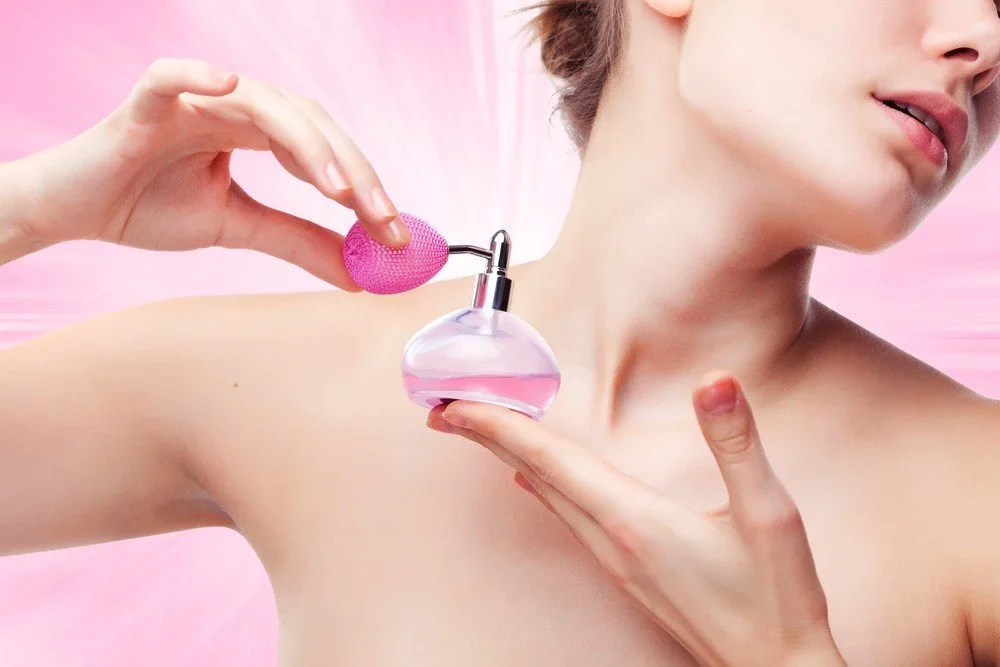
Nothing is as intimate, sacred, and reflective as the human relationship with perfume. To soothe, suggest, seduce, or even signify status, our connection with fragrance can’t be understated. Our love of scents has transformed into a booming industry, with many fragrances coming in bottles that can double as centrepieces. But what about the ecological and health footprint of our olfactory obsessions?
As the term “fragrance” or “parfum” can legally refer to a mixture of around 3,100 undisclosed chemical ingredients, many of which are synthetic and undisclosed to consumers, we need to understand exactly what we’re sniffing and spritzing on our skin. After all, not only may these chemicals pose environmental risks, but they may also lead to respiratory disorders, skin irritation, allergies, and, potentially, hormone disruption.
What Makes a Perfume?
At the center of luxury fragrances lie rare ingredients, which have become a point of concern among conservationists. Ingredients such as oud, ambergris, and sandalwood are prized because of their scent profile and long-lasting aromatic properties, yet their environmental cost may be higher than our nose can pay.
Cautioning against the use of these ingredients is Frank McDouall, founder of biodegradable and sustainable brand Bonnie Bio. With products that include natural and plant-based eau de parfum, he says: “The main concerns are biodiversity loss, deforestation, and lack of traceability in some regions.” SKINS education manager Brian Lekgoathi elaborates:
“Oud (agarwood) is a valuable and highly sought-after material derived from the Aquilaria tree. In the past, overharvesting did contribute to deforestation and posed a threat to the biodiversity of native regions. However, growing awareness and regulation have led to more sustainable practices.”
“Today, much of the oud used in perfumery is produced through the inoculation of plantation-grown Aquilaria trees… helping to ensure the long-term sustainability of this precious ingredient.”
Synthetic Substitutes
Another valuable fragrance ingredient is ambergris, which comes from sperm whales. While it’s typically collected without harming the whales (it’s a natural secretion), its collection is still wrapped up in legalities, and this has led to the rise of synthetic substitutes.
“Many leading fragrance houses – including Givaudan, IFF, and Firmenich – have developed high-quality synthetic alternatives such as Ambroxan and Cetalox, which effectively replicate the scent profile of ambergris, helping to reduce demand on natural sources,” Lekgoathi says, adding that synthetics also offer more controlled, consistent, and scalable production.
Unfortunately, not all synthetics are created equal, as older synthetic materials have faced criticism for their poor biodegradability. Yet, with innovations in “green synthetics” and lifecycle analysis, McDouall believes the industry will continue to opt for smarter, lower-impact options.
What’s In A Scent?
Now, while the allure of many fragrances lies in their special ingredients, we should also be looking at the ingredients not being mentioned.
As noted earlier, legal loopholes allow companies to conceal harmful chemicals in their products under the terms “fragrance” and “parfum”, and this extends to products marketed as “natural” or “green”, too. Phthalates and parabens have both been linked to reproductive disorders, thyroid conditions, respiratory issues, and even childhood developmental disorders.
But both McDouall and Lekgoathi caution against taking the terms “clean” and “natural” too earnestly when it comes to fragrances.
“Many consumers assume that products labeled as natural are strictly regulated or certified by law. In reality, the term isn’t always clearly defined or controlled across the industry,” says Lekgoathi.
Transparency is essential, and McDouall advises consumers to look beyond the labels and greenwashing to better understand where and how a fragrance was created.
“Sustainability in fragrance is complex. The most responsible choices depend on the ingredient’s origin, how it’s produced, and the impact on both people and the planet,” he says.
The Power of Packaging
In an industry with a fondness for extravagant packaging, even the most sustainably sourced fragrance can lose its credibility once it’s packaged. As Lekgoathi admits, the luxurious look, feel, and presentation of packaging remain important factors in how fragrances are marketed and purchased.

Photo by Siora Photography on Unsplash
“It’s a constant process of reimagining when it comes to packaging, to balance luxury and sustainability,” he observes. “We’re seeing greater use of recyclable glass, aluminum, and steel, which are more eco-friendly alternatives to traditional plastics and laminates. These materials aren’t only durable, but they’re also easier to recycle, helping to close the loop on packaging waste.”
Refillable perfume bottles are also gaining traction
“Refillable fragrance options help to reduce packaging waste, lower the demand for single-use materials, and encourage more mindful consumption over time,” Lekgoathi says. But their success “depends on how widely they’re adopted, and how easy and accessible the refill process is for consumers”, he warns.
Reducing Our Scented Footprint
So how can fragrance-lovers still enjoy all things wonderfully scented without compromising on their green beliefs?
- Read the labels carefully. Be cautious of products listing only “fragrance” or “parfum”, with no detailed breakdown. Choose long-lasting, versatile scents that can be enjoyed across different occasions and seasons, Lekgoathi suggests. Not only does this allow fragrance-lovers to deepen their connection with their scents, but it also helps to minimize environmental impact by lowering production demand and packaging waste.
- Stay clear of knock-offs. “Their low price comes at a significant cost – both in terms of quality and sustainability,” says These dupes often lack the craftsmanship, ingredient integrity, and ethical standards that define true perfumery.
- See it as more than longevity. You may believe that longer-lasting perfumes are inherently more sustainable, because they require fewer reapplications and less-frequent purchases, but it’s not that simple, Lekgoathi notes. “While longer-lasting perfume is a great step towards reducing consumption, it’s most sustainable when paired with responsible sourcing, eco-friendly packaging, and mindful buying habits.”
- Support eco-conscious fragrance brands. “Our products are artisanally made and packaged in South Africa, and that supports local economies and reduces carbon impact,” affirms McDouall.
- Avoid constant skin contact. Spray perfume on your clothes to minimize the absorption of unknown chemicals.
- Look up product safety ratings and the toxicity of specific ingredients or products in the EWG Skin Deep Database.
- Look for third-party certifications (EWG-verified).
- Demand better as a consumer. It’s your nose, and your planet – demand better for both.
The Bottom Line
Fragrances are an indulgent experience, allowing us to fully immerse ourselves in a memory, a moment, or simply a feeling. Coupled with sustainability, they enable us to enjoy a pleasurable olfactory journey that leaves both us and the planet smelling better.
GRAB A COPY OF LONGEVITY
 This article, and many others, can be found in our 2025/26 annual bookazine, “Back to the Earth.”
From expert insights with Dr. Zach Bush, Dr. Ash Kapoor, Oscar Chalupsky, Dr. Ela Manga, Dr. Maureen Allem, Dr. Anushka Reddy, Dr. Des Fernandes, Dr. Craige Golding, and many more, this issue explores everything from food, clean beauty, sustainable living, fashion, travel, and other mindful choices.
You can buy a digital copy at Zinio.com.

![women [longevity live]](https://longevitylive.com/wp-content/uploads/2020/01/photo-of-women-walking-down-the-street-1116984-100x100.jpg)