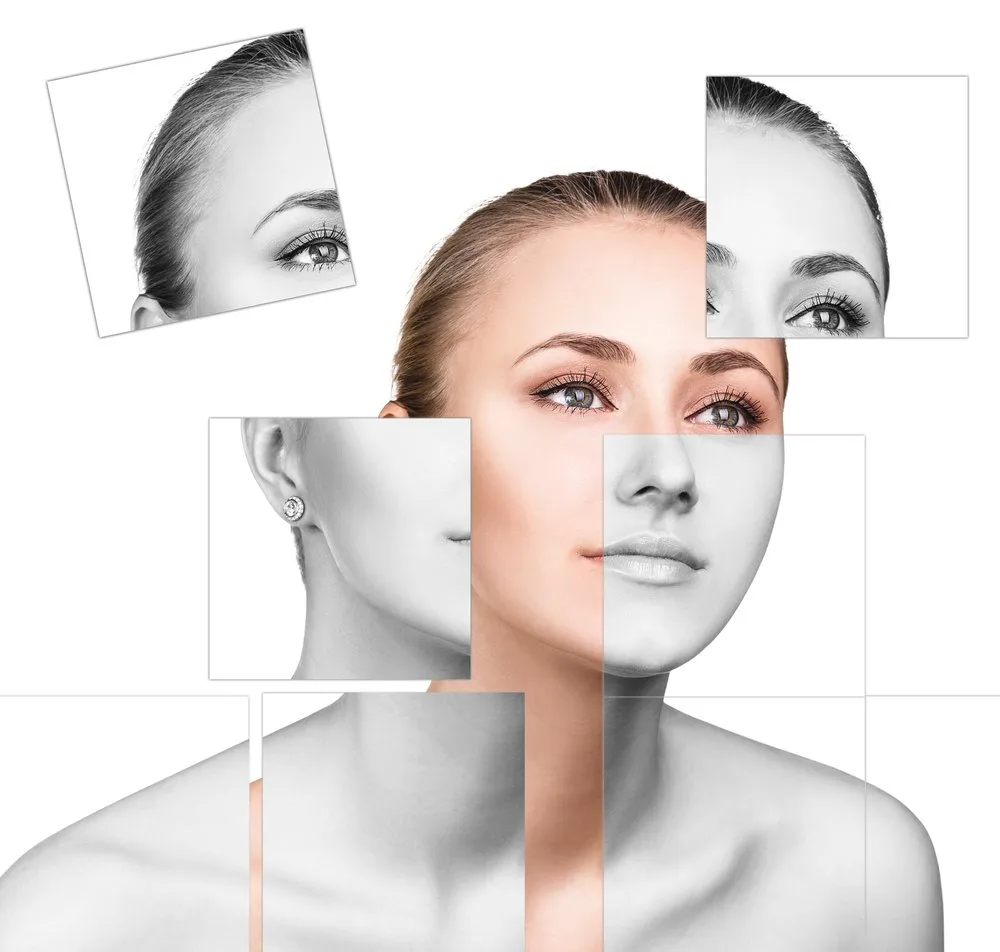


The ‘mommy makeover’ is trending, and a growing number of patients are now asking whether cosmetic procedures such as a tummy tuck, liposuction, or breast augmentation can be performed at the same time as a Caesarean section. But combining elective cosmetic surgery with a C-section can sharply escalate risk during an already vulnerable period for the body.
C-Section and Tummy Tuck Combo Raises Alarms
Procedures such as a tummy tuck should only be considered once the body has adequately recovered after childbirth. This is typically around six months after delivery, depending on individual healing.
Our practice in South Africa is seeing a growing number of patients asking whether body-contouring surgery can be performed while they are already in theatre for a C-section. This reflects a dangerous misunderstanding of surgical safety and postpartum physiology.
While the idea may appear efficient or financially attractive, pairing medically necessary obstetric surgery with elective cosmetic procedures significantly increases operative risk at a time when the patient is physiologically vulnerable.
Combining surgeries and compounding risks
C-sections account for around 75% of private sector hospital births in South Africa. As there is often an overlap between women accessing private medical care and those who may later consider elective cosmetic procedures, more patients are likely to ask whether these operations can be combined.
The more important question is whether they should. The simple answer is no!
A C-section is already a major abdominal operation. Introducing additional surgical trauma before the body has recovered would introduce excessive strain and substantially raise the risk of complications.
Pregnancy and the immediate postpartum period are associated with a hypercoagulable state, meaning the blood has an increased tendency to clot. Postpartum women therefore face a markedly elevated risk of venous thromboembolism, particularly in the first six weeks after delivery.
Why this risk is high
Prolonged operative time and increased tissue disruption may further elevate this risk by contributing to immobility, tissue stress, and inflammatory response.
A C-section on its own carries recognised complications, including haemorrhage, infection, anaesthetic complications, and clotting risks. Adding abdominoplasty (tummy tuck) can introduce additional risks such as bleeding, fluid accumulation, wound breakdown, delayed healing, and blood clots.
Liposuction also introduces risks, such as fluid imbalance, internal injury, infection, and, in rare but serious cases, fat embolism – a potentially life-threatening condition in which fat enters the bloodstream and compromises vital organs.
The false economy of combining procedures
Combining procedures rarely provides the financial or practical advantages patients may assume.
There’s also a common misconception that theatre and aesthetic fees can be consolidated if surgeries are combined into a single session.
In reality, longer operative times, greater monitoring requirements, and the potential for complications may result in far higher medical costs. More importantly, financial reasoning should never take precedence over patient safety.
The combined recovery period can also be far more demanding than patients anticipate
Recovery after a C-section already places significant physical, emotional, and psychological demands on a new mother. Adding major cosmetic surgery to that recovery period can complicate mobility, wound care, and pain management at a time when the patient must also care for a newborn.
A more intensive recovery process may further require extended postoperative care, closer medical oversight, and additional support at home, all of which can add to the existing financial burden.
In conclusion
Operating during the immediate postpartum period might not yield the optimal long-term aesthetic result a patient may be seeking. It could also expose them to unnecessary revision surgery later.
Medically and ethically, I do not believe combined C-section and ‘mommy makeover’ surgeries should ever be considered.
No responsible surgeon should minimize the compounded risks associated with performing such procedures. Ultimately, safe, staged care remains the gold standard for medical care, or allowing the body to recover fully before elective cosmetic surgery is undertaken.
About The Author
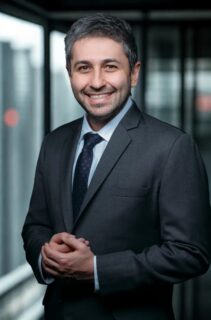 Educational Background and Qualifications
Prof Sofianos completed his undergraduate medical degree (MB BCh) at the University of the Witwatersrand in 2009. He furthered his expertise by becoming a Member of the Royal College of Surgeons of England (MRCS) in 2013 and earned a Master of Science in Surgical Sciences (MSc) from the University of Edinburgh in 2015.
His specialist training in plastic and reconstructive surgery culminated in 2018 with an MMed from the University of the Witwatersrand and Fellowship of the College of Plastic Surgeons of South Africa (FC Plast Surg (SA)).
To enhance his surgical skills, Prof Sofianos has completed multiple prestigious fellowships:
Microsurgery Fellowship:
Guy’s and St Thomas’ NHS Trust in London, focusing on advanced breast, lower limb, head and neck, and microsurgical reconstruction.
Aesthetic Surgery Fellowship:
Advanced training in cosmetic surgery, learning directly under aesthetic surgery leaders such as Prof Michele Pascali, Prof Hossam Foda, and Dr Teoman Dogan. These fellowships have equipped Prof Sofianos with cutting-edge expertise in aesthetic and reconstructive surgery.
Professional Certifications
Prof Sofianos holds multiple professional certifications, reflecting his dedication to excellence in the field of plastic surgery:
- Fellowship of the South African College of Plastic Surgeons (FC Plast Surg (SA))
- Fellowship of the Royal College of Surgeons in England (FRCS)
- Fellowship of the European Board of Plastic, Reconstructive and Aesthetic Surgery (FEBOPRAS)
- Fellowship of the American College of Surgeons (FACS)
Academic and Clinical Leadership
In addition to his clinical practice, Prof Sofianos serves as the Academic Head of the Division of Plastic and Restorative Surgery at the University of the Witwatersrand. In this role, he is instrumental in training the next generation of plastic surgeons and advancing research in the field.
Research and Publications
Prof Sofianos is committed to evidence-based practice and has contributed to the medical community through numerous peer-reviewed publications. His research encompasses various aspects of plastic and reconstructive surgery, underscoring his dedication to advancing the field.
Community Engagement
Prof Sofianos actively participates in initiatives aimed at providing surgical care to underserved populations. He has been involved in programs like Smile Week. Prof Sofianos performs corrective surgeries for children with cleft lip and palate, thereby contributing to the well-being of the broader community.
Main Image Credit

![women [longevity live]](https://longevitylive.com/wp-content/uploads/2020/01/photo-of-women-walking-down-the-street-1116984-100x100.jpg)