

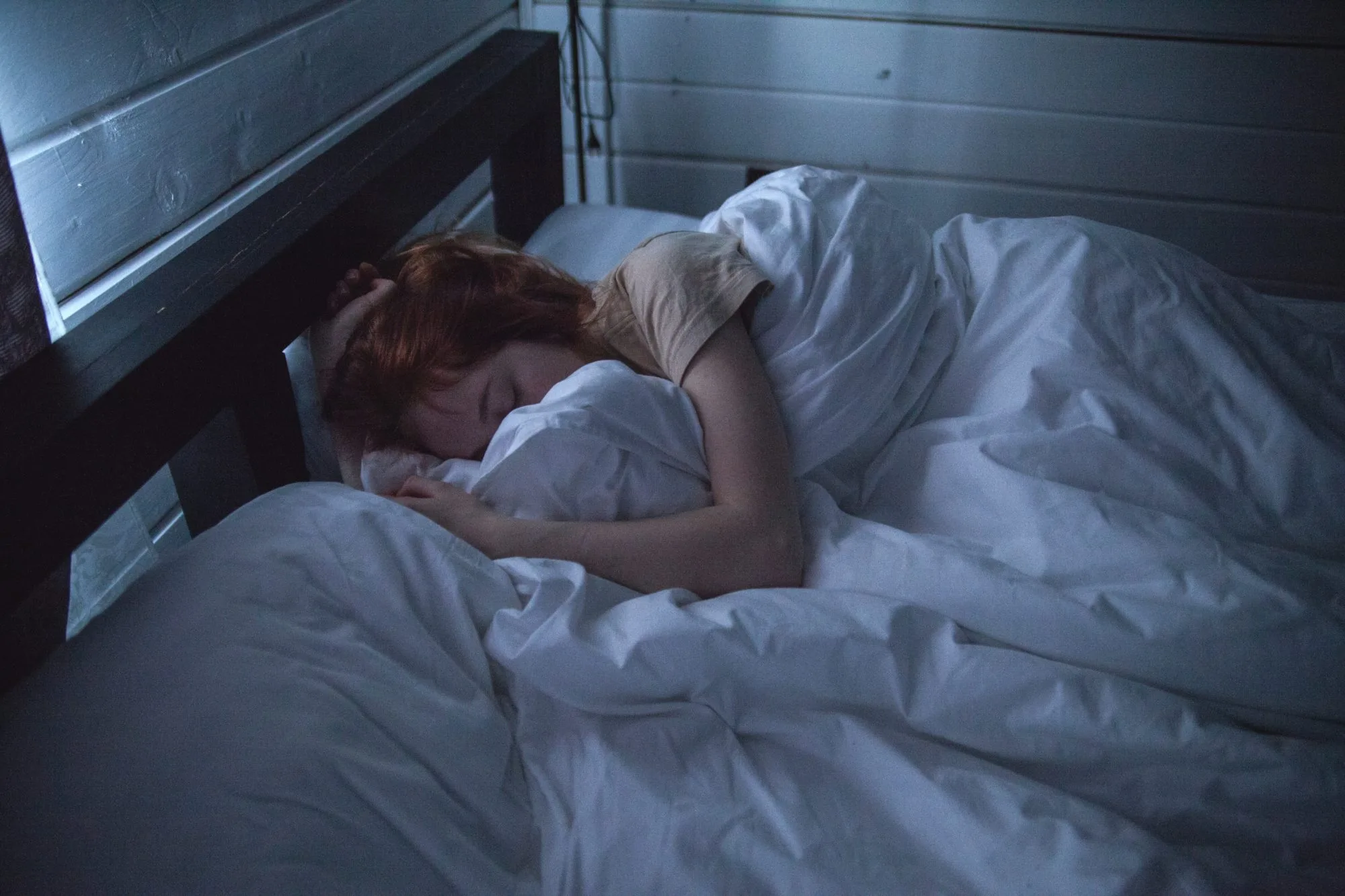
A radical shift is needed in our attitude towards sleep and rest. Mental health and productivity rely on good-quality rest, yet just how much our sleep affects our wellbeing is generally vastly underestimated, writes Tony de Gouveia, a clinical psychologist at Netcare Akeso.
The Domino Effect of Poor Sleep, Anxiety and Depression
The role of poor sleep in anxiety and depression is well documented. It’s not only our physical energy that is replenished during sleep — sleep is also essential for our cognitive functioning and emotional regulation.
Yet we often fail to make getting enough good-quality sleep a consistent priority.
Studies vary, but it’s been suggested that between a third and as many as half of us regularly get less than the recommended seven to eight hours of sleep each night — a concerning figure.
A Time to Rethink Bad Habits
Burning the midnight oil is the enemy of productivity and creativity, yet when we are under pressure, rest is often the first thing we sacrifice. We need to rethink how we value our sleep: rest is fundamental to productivity, not its opposite.
Many factors can reduce the quality of our sleep, including 80 recognized sleep disorders. The most common being chronic insomnia and obstructive sleep apnoea, which I have experienced firsthand. When these go undiagnosed, the risk of other health issues also increases.
The Impact of Social Media on Sleep
Doomscrolling on social media late into the night, along with the blue light from screens, is becoming a major barrier to a normal night’s sleep. As high school pupils grow increasingly inseparable from their phones, this could have real consequences for young people’s full participation in learning.
Stress — particularly in the hours before bed, or while lying awake feeling anxious — disrupts the restorative sleep cycle. It’s been observed that each stressful thought takes the average person about 20 minutes to process before they can begin to fall asleep, and in the small hours, fears and worries can take on a life of their own.
Women Have Different Sleep Patterns to Men
Our experience and research show that women are more likely to struggle with sleep than men, for reasons ranging from traditionally bearing a greater share of childcare responsibilities to physiological factors.
Women also require more sleep than men (about 20 to 30 minutes more) and report lower overall sleep quality.
These differences are borne out in research showing distinct physiological and psychological variations in how each gender rests, driven by biology, circadian rhythms, and memory.
Key published differences include:
- Circadian rhythms: Women naturally secrete melatonin earlier in the evening than men and tend to have shorter circadian cycles, predisposing them to earlier sleep and wake times. Men, by contrast, are more likely to exhibit evening chronotypes.
- Perception of awakenings: Studies have found that women are more aware of nighttime awakenings, allowing them to more accurately estimate how many times they woke up.
- Hormonal and life-stage disruptions: Women’s sleep quality fluctuates significantly due to hormonal changes during the menstrual cycle, pregnancy, perimenopause, and menopause.
- Mental health links: Waking up in the night or pre-dawn hours with insomnia further erodes sleep, and stressing about not getting enough sleep as the hours tick away only compounds the vicious cycle. The higher reporting of poor sleep quality in women is closely linked to higher rates of anxiety and depressive disorders.
- Aging factors: While women over 65 tend to retain more deep sleep (stage three sleep) than men, men’s objective sleep metrics — such as the amount of restorative deep sleep — deteriorate more quickly with age.
Self-Medication Is Not the Answer
It’s understandable that many of us are tempted to self-medicate when suffering from poor sleep. However, using alcohol or cannabis to induce sleep can disturb healthy sleep cycles and lead to dependence and substance use disorders.
Getting enough quality sleep may seem like an elusive goal — a luxury we can’t afford in our busy lives.
But there are numerous intrinsic benefits that make it truly worthwhile to re-evaluate the importance of sleep for every aspect of our daily lives, not least our mental health.
The only way to make this stick is to link good sleep and rest habits to our daily routine.
Rest Reset: 7 Tips for Better Sleep
- Go to bed at the same time every night. Make this a boundary you stick to.
- Put down devices and dim the lights at least 20 minutes before bed.
- Limit fluids for a few hours before bed and avoid caffeine after lunch.
- Get the temperature right for a comfortable night’s sleep.
- Keep your sleeping environment quiet to improve sleep quality (white noise can also help).
- Don’t oversleep or nap during the day.
- See good rest as the goal, rather than a means to being productive.
What if a Sleep Reset Doesn’t Work?
If your sleep doesn’t improve or you still don’t feel rested, consult a doctor to investigate whether there may be an underlying physical cause. You can also book an appointment with a mental health professional if stress, anxiety, or racing thoughts are keeping you awake.
References
University of South Hampton: Gender Differences in Sleep and Circadian Rhythms
About the Author
 Tony de Gouveia is a clinical psychologist practising at Netcare Akeso Alberton with over 40 years of experience in psychological support, executive coaching, and resilience training.
He previously lectured in psychology at Vista University (UJ Soweto campus), as well as at Wits and Milpark business schools. In his private practice, de Gouveia aims to provide tailored strategies to help his clients achieve personal goals and mastery.
De Gouveia runs the Positive Psychology Group (PPG) Johannesburg, a personal development group he founded in 2013, focusing on resilience and related topics.
About Netcare Akeso
Netcare Akeso operates a network of private inpatient mental health facilities and is part of the Netcare Group. Netcare Akeso provides individual, integrated and family-oriented treatment in specialized inpatient treatment facilities, as well as certain outpatient services, for a range of psychiatric, psychological and substance use conditions. Visit www.akeso.co.za or

![women [longevity live]](https://longevitylive.com/wp-content/uploads/2020/01/photo-of-women-walking-down-the-street-1116984-100x100.jpg)