
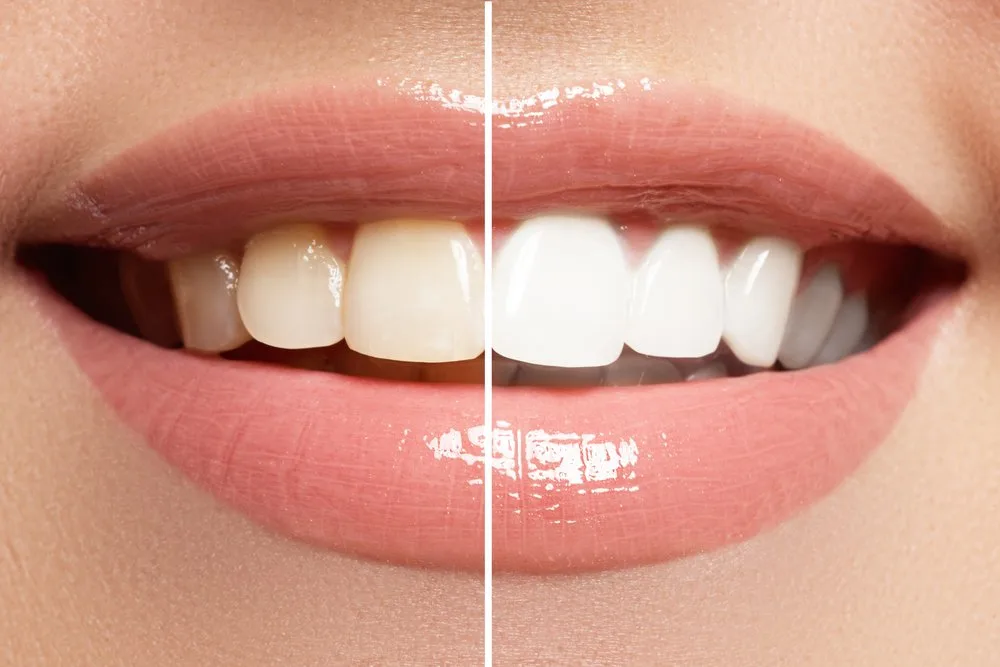
What’s the point in living forever if you can’t smile about it? For Bryan Johnson, living forever means ensuring that every part of his body is in optimal health, and that includes his teeth. Having had eroding teeth and receding gums in the past, the 47-year-old took to Instagram to share that he had essentially rejuvenated and anti-aged his teeth, so much so that his dentist believed he had found the fountain of dental youth.
Bryan Johnson: Anti-Age Your Teeth With These 8 Tips
“At age 47, my dentist tells me I have the gums of a healthy teenager.” – Bryan Johnson
While Johnson follows regular and important dental protocols like regularly flossing, using a Waterpik, fluoride-free toothpaste (dentists strongly recommend using fluoride toothpaste), an electric toothbrush with soft bristles, and mouthwash, he also incorporates other habits that he believes have improved his dental health.
1. No sugar
Let’s admit it – sugar is not good for our health and body, regardless of how sweet it tastes. When consumed, sugar creates a breeding ground for bacteria that soon form dental plaque. An increase in these plaques not only results in a more acidic environment, but it also causes cavities to form. Not only are cavities painful, but they can also cause infections and tooth loss.
If you’re rightfully concerned about sugar’s impact on your health and teeth, it’s best to learn how to snack wisely. This means avoiding sugary-rich snacks like potato chips, candies, and cookies, as well as sugary drinks like soda and even fruit juices. Alternatively, you can look out for sugar alternatives as suggested by Johnson, including Monk Fruit, Trehalose, and Allulose.
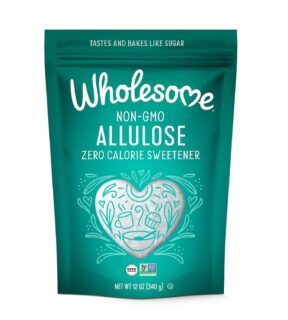
Wholesome Sweeteners Allulose Sweetener
2. Avoid acidic fluids
Beverages like coffee and lemon water can be quite acidic to your teeth, reveals Johnson. High consumption of these beverages, alongside energy drinks, alcohol, and carbonated drinks, can cause enamel erosion, leading to tooth sensitivity and brittleness.
3. Counter dry mouth
Dry mouth occurs when your salivary glands fail to make enough saliva to keep your mouth wet. Aside from being uncomfortable, dry mouth can make chewing, swallowing, and talking difficult. As saliva contains compounds that fight off harmful bacteria, dry mouth can also increase the risk of tooth decay and infections.
As advised by Johnson, staying hydrated can prevent dry mouth, as can chewing sugarless candy or lozenges to encourage saliva production.
4. Wait to brush after meals
It’s recommended to brush your teeth after meals, but not immediately after. Johnson shared that he waits 30 minutes after each meal before brushing his teeth, and this falls in line with the American Dental Association’s recommendation of waiting an hour before brushing your teeth after eating or drinking acidic things.
The reason for this?
Waiting gives your saliva a chance to naturally wash away any substances and re-harden your teeth’s enamel.
5. Tea tree oil
While he discontinued using it years ago, Johnson claims that tea tree oil helped improve his oral health.
Tea tree oil is rich in antibacterial, anti-inflammatory, antiviral and antifungal properties, all of which can reduce the bacteria in your mouth and thus reduce the risk for gum disease and cavities.
A 2024 study found that tea tree oil is effective against oral bacteria, so using it as a mouthwash after adding a few drops to water isn’t the worst idea. That said, it can be quite toxic when swallowed, so do be aware of that.
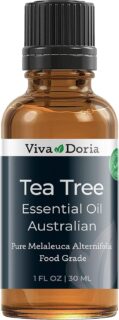
Viva Doria Pure Australian Tea Tree Essential Oil
6. Bruxism device
If you’ve noticed that you subconsciously clench, grind, or gnash your teeth, either when you’re awake or asleep, then you have bruxism. Bruxism is quite detrimental to your oral health as it can cause enamel erosion, fractured teeth, mobility issues, and gum recession. Aside from your oral health, bruxism can also cause headaches and insomnia.
Having experienced bruxism for 20 years, Johnson revealed that he now uses the Somnodent Bruxism Device, and it has effectively addressed his bruxism. If you’re hoping to use a mouth guard of your own, be sure to consult your dentist first for the appropriate measurements.
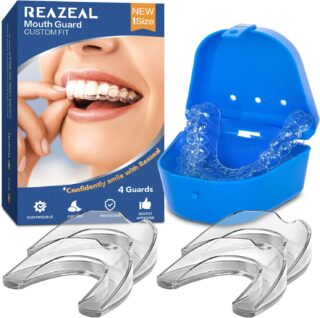
Reazeal Mouth Guard
7. Tongue scrapper
If you’d like to add something else to your dental routine, then Johnson suggests tongue scraping.
Scraping your tongue can help remove bacteria, improve the appearance of your tongue, and may even enhance your sense of taste.
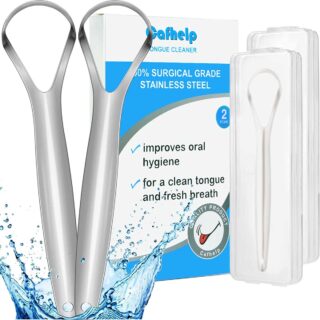
Cafhelp 2-Pack Tongue Scraper
8. Regular dental check-ups
You must visit your dentist at least twice a year for a proper check-up. Now that you’re there, Johnson suggests asking your dentist to evaluate the following areas:
- Attachment loss: This refers to the loss of connective tissue around your teeth, which can lead to tooth loss.
- Pocket depth: This is the natural space between your gums and teeth. A healthy pocket depth is between 2 -3 mm. A deeper pocket depth (5-8 mm) can be caused by food debris, bacteria, and acidic plaque buildup. If left untreated, a deep pocket depth can cause loss of tissue and bone.
- Plaque index: This measures the thickness of your teeth’s dental plaque, with a good score being under 20%.
- Bleeding gums: Bleeding gums are caused by the buildup of plaque on your gums, which can lead to gingivitis (inflamed gums) and, if left untreated, lead to periodontitis – a gum and jawbone disease. Johnson claims that his dentists tested his gums for proficiency in bleeding by poking them, and successfully failing at making them bleed. This seems a bit extreme because if you were suffering from bleeding gums, it would be quite evident. After all, your gums would look swollen, reddish, and start to bleed once you brush your teeth or even bite into food.
Read More About Bryan Johnson’s Anti-Aging Habits
- How to Boost Your Lifespan Without My Millionaire Budget, Says Bryan Johnson
- Bryan Johnson Explores Using Blood Plasma for Longevity
- Bryan Johnson Uses Stems Cells To Reverse Aging in Joints
References
@bryanjohnson (2024). Instagram. Available at: https://www.instagram.com/bryanjohnson_(Accessed: 05 October 2024)
Mohammed, A. E., Aldahasi, R. M., Rahman, I., Shami, A., Alotaibi, M., BinShabaib, M. S., ALHarthi, S. S., & Aabed, K. (2024). The antimicrobial activity of tea tree oil (Melaleuca alternifolia) and its metal nanoparticles in oral bacteria. PeerJ, 12. https://doi.org/10.7717/peerj.17241
Seerangaiyan, K., Jüch, F., Atefeh, F., & Winkel, E. G. (2018). Tongue Cleaning Increases the Perceived Intensity of Salty Taste. The Journal of Nutrition, Health and Aging, 22(7), 802-804. https://doi.org/10.1007/s12603-018-1030-8

![women [longevity live]](https://longevitylive.com/wp-content/uploads/2020/01/photo-of-women-walking-down-the-street-1116984-100x100.jpg)