

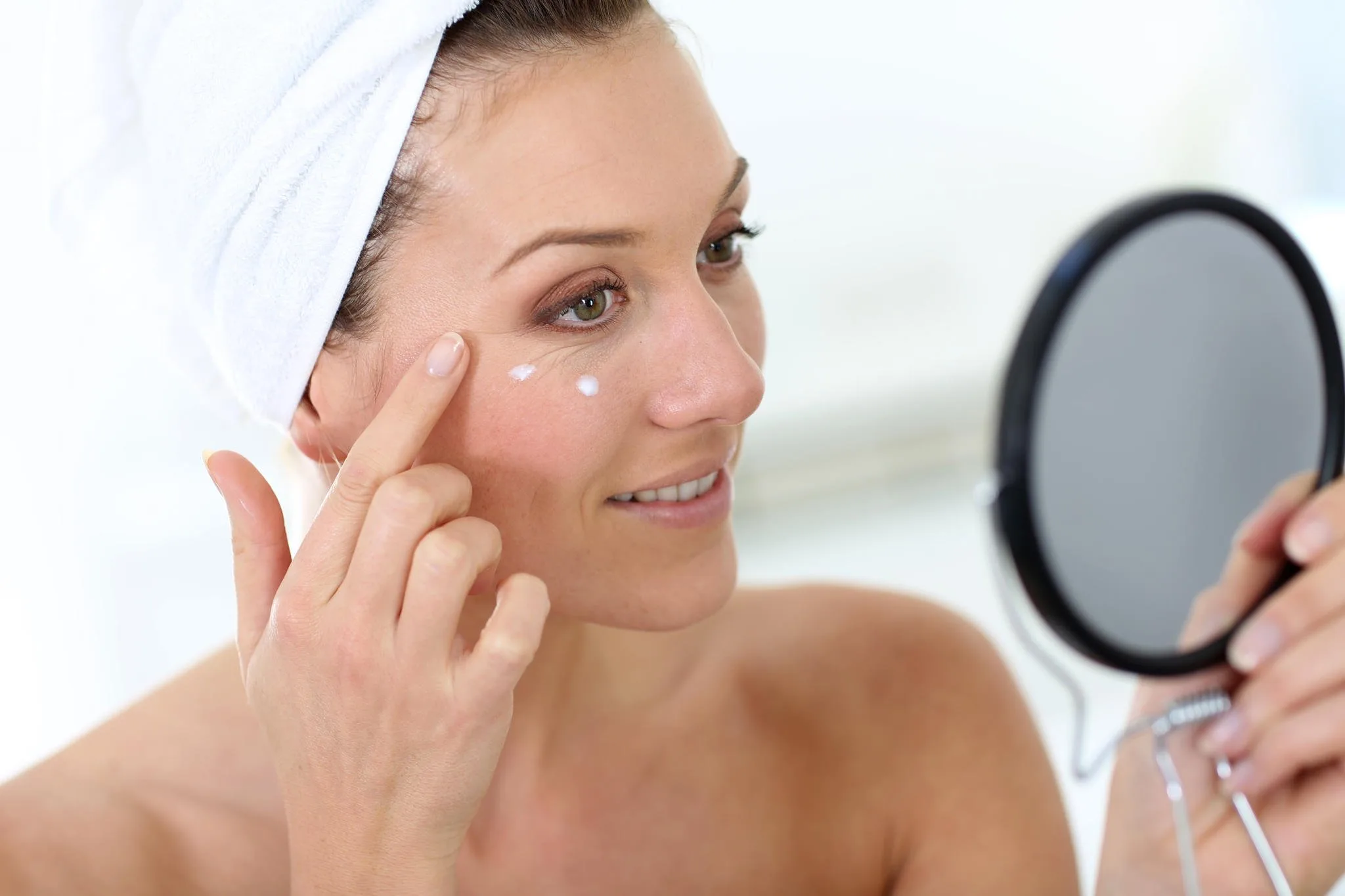
You probably have a skincare routine you trust. You know which cleanser doesn’t sting after gym, which foundation survives a dry winter, and you have learned to reapply SPF after a walk on the promenade. Then, somewhere between your late 30s and 40s, your skin starts behaving differently. One week it’s oily, the next, it feels tight and flaky. Products you’ve used for years suddenly sting. Nothing in your routine has changed, but your skin has. For many women, a shift in skin is not about the wrong product. It’s perimenopause.
Planning for Perimenopause
Perimenopause is the natural transition before menopause, when shifting hormone levels, especially declining oestrogen, start to impact the whole body. It can begin as early as the late 30s and last for several years, with skin often the first place it shows up. Collagen production slows, moisture levels drop, and the skin barrier becomes more reactive.
Your skin and hormones are in constant flux. As oestrogen levels start to dip, the skin produces less collagen and fewer natural oils. It holds less water, and the barrier becomes easier to disrupt.
It’s not just ageing, it’s hormonal ageing
Two processes are happening at once. The first is intrinsic ageing, which is your skin’s natural biological clock. As oestrogen declines, collagen production decreases, skin becomes thinner and elasticity softens.
The second is extrinsic ageing. This is everything external that accelerates the process. Sun exposure, smoking, pollution, over-exfoliation, and even long hot showers all play a role. In certain countries, this combination is amplified. High UV exposure and seasonal shifts mean pigmentation, sensitivity, and dehydration often appear earlier.
Another common but confusing shift is that alongside the dryness, people often also experience breakouts. As oestrogen declines, androgen hormones can become more dominant, increasing oil production in some areas while the skin overall becomes drier and thinner. The result is skin that feels both congested and dehydrated, often at once.
Prevention works better than correction
In your twenties, your skin can recover quickly from aggressive treatments or overuse of active ingredients. During perimenopause, skin rewards kindness and consistency. That does not mean doing nothing. It means choosing ingredients that support the structure before you see the damage.
The focus shifts to resilience. You want to support the barrier, reduce inflammation, and use active ingredients in a way that your skin can tolerate long-term.
Your perimenopause skincare routine, rewritten
If skincare has taught us anything, it is that prevention is more effective than correction, and the same applies here. These are simple changes you can make now that will pay off later.
Tip 1: Put the barrier first
Start with a gentle, pH-balanced cleanser and avoid hot water, which strips natural oils. If your skin feels tight after cleansing, it’s a sign you’ve gone too far. Follow with a moisturiser that supports hydration and repair. Ingredients like hyaluronic acid help draw water into the skin, while ceramides reinforce the barrier and prevent moisture loss.
Over-cleansing is one of the most common mistakes during this phase, and for some skin types, even twice a day can be too much.
My product recommendations:
Tip 2: Use actives differently, not more
You don’t need to ditch your favourite active ingredients; you just need to adjust how you use them. Skin cell turnover slows down during perimenopause, which can make ingredients like retinoids feel more irritating than they once did. Instead of increasing frequency, scale back. Use smaller amounts, fewer nights a week, and always apply to calm, well-moisturised skin.
Vitamin C and niacinamide remain valuable for brightening and supporting an even skin tone, particularly as pigmentation becomes more pronounced after years of sun exposure. If you are considering stronger options like tretinoin or creams that contain estriol, a form of oestrogen sometimes used topically, speak to your dermatologist first. These are not one-size-fits-all.
My product recommendations:
Tip 3: SPF every single day
If there’s one step that matters most, it’s this. Daily use of a broad-spectrum SPF 30 or higher protects against cumulative UV damage, one of the biggest drivers of premature ageing, especially in South Africa.
UV rays, responsible for ageing, penetrate glass. That means everyday exposure like driving, sitting by a window all contribute over time. Consistency matters more than intensity. Apply every morning and reapply outdoors.
My product recommendations:
Tip 4: Keep it simple, especially when it feels reactive
As the skin barrier becomes more delicate, it can react not only to products but also to temperature changes, stress, and even certain fabrics. During more sensitive periods, prioritise fragrance-free formulas and avoid high alcohol content.
Soothing ingredients like colloidal oatmeal can help calm irritation and reduce discomfort. Most importantly, simplify. Sticking to cleansing, treating gently, moisturising and protecting will always outperform an overly complicated one.
My product recommendation:
Takeaway
Perimenopause is a significant physiological transition, and skin is just one place it shows up. Fluctuating and declining oestrogen affects sleep, mood, metabolism, bone health, and temperature regulation, not only complexion. Because skin responds quickly to hormonal change, it is often the first visible signal. Planning for perimenopause means recognising that signal early and supporting resilience from the barrier out.
These are small, consistent habits that protect the skin over time. The goal is to understand what’s driving the change and support your body through it.
Want to know more?
Hormonal health is a cornerstone of longevity. While many believe aging only begins after menopause, the reality is different: the gradual loss of youth starts decades earlier. Dr. Gary Aaron, one of Australia’s leading menopause and men’s health specialists, explains why understanding your hormones matters at any age—whether you’re in your 20s, 30s, or 60s.

![women [longevity live]](https://longevitylive.com/wp-content/uploads/2020/01/photo-of-women-walking-down-the-street-1116984-100x100.jpg)