

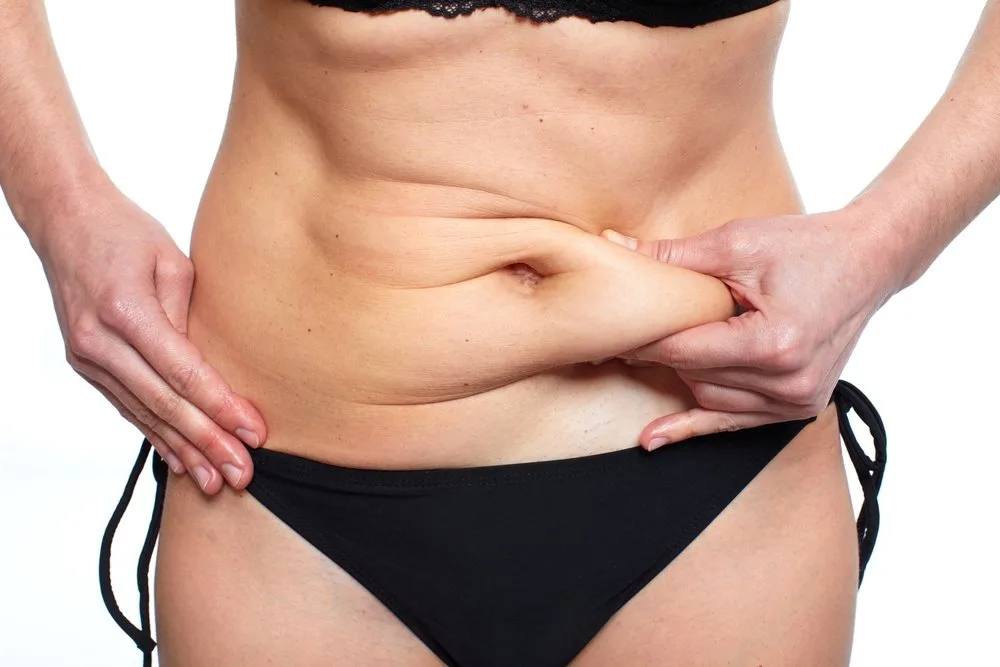
Look, nobody wants to talk about fat. But here’s the thing: there’s fat, and then there’s fat. The kind you can pinch? That’s actually not your biggest problem. The real troublemaker is hiding deep inside your belly, and it’s basically throwing a party around your organs that nobody invited it to.
Visceral Fat: Meet Your Body’s Unwanted Houseguest
Think of visceral fat as that relative who crashes on your couch and somehow ends up reorganizing your entire life (and not in a good way). Unlike the squishy fat you can grab on your hips or thighs, visceral fat wraps itself around your liver, pancreas, and intestines like a clingy blanket. And trust us, your organs are not happy about it.
Here’s what makes it extra sneaky: you might look perfectly healthy in the mirror and still have way too much of this stuff lurking inside. It’s like having a messy closet behind a pristine bedroom door.
The Good News? This particular houseguest can be evicted with the right approach.
So What’s the Difference Between “Regular” Fat and This Troublemaker?
Your body stores fat in two main spots:
Subcutaneous fat is the soft, pinchable layer right under your skin. It hangs out on your hips, thighs, maybe under your arms. Mostly harmless, honestly. It’s just… there.
Visceral fat is the deep stuff stored around your internal organs. You can’t see it or feel it easily, but boy, is it busy. Unlike its chill subcutaneous cousin, visceral fat is metabolically active, meaning it’s constantly releasing inflammatory chemicals and hormones that mess with your body’s normal operations.
A little visceral fat is fine—your organs need some cushioning. But when it starts throwing too many inflammatory parties? That’s when Harvard Health researchers start using scary words like “type 2 diabetes,” “heart disease,” “stroke,” and “dementia.”
Why This Fat is Basically a Drama Queen
Visceral fat doesn’t just sit there quietly. Oh no. It acts like a hormone-producing factory that nobody asked for:
It makes your blood sugar cranky. The fat releases substances that interfere with insulin, basically ghosting your body’s ability to regulate blood sugar. Hello, diabetes risk.
It’s an inflammation generator. Think of chronic, low-grade inflammation as your body being perpetually annoyed. This contributes to heart disease, stroke, and certain cancers.
It stresses out your liver. Too much visceral fat can lead to fatty liver disease, even if you don’t drink much alcohol. Your liver’s trying to do its job, and this fat is like, “Here, let me make that way harder for you.”
It throws your hormones out of whack. Cortisol, leptin—all the regulators of your appetite, mood, and metabolism? Yeah, visceral fat messes with those too.
How Do You Know If You’re Storing Too Much?
Since you can’t exactly see this fat, here are some clues:
Grab a measuring tape. Wrap it around your waist (at belly button level). For most men, anything over 94 cm is a red flag. For women, it’s 80 cm. Simple as that.
Check your body shape. Are you more “apple” (weight around the middle) or “pear” (weight in the hips and thighs)? Apples tend to carry more visceral fat. No judgment—it’s just biology.
Get fancy with imaging. CT or MRI scans can measure visceral fat precisely, but unless your doctor specifically recommends it, the tape measure works just fine.
Why Does This Fat Even Build Up in the First Place?
Visceral fat accumulates for a bunch of reasons, and some of them might hit close to home:
- Your diet is… not great. Lots of processed foods, sugary drinks, refined carbs, and alcohol? Your body’s basically building a fat storage unit around your organs.
- You’re not moving enough. Sitting all day slows your metabolism and reduces muscle mass. Your body starts storing instead of burning.
- Stress is eating you alive. When cortisol spikes (thanks, chronic stress), your body starts stockpiling fat in your belly. Evolution thought this would help us survive famines. Evolution was wrong.
- Sleep? What’s that? Less than 6 hours a night is linked to more visceral fat. Your body needs rest to function properly, including how it stores fat.
- Age is happening. As we get older, muscle mass decreases and metabolism slows. For women, menopause can increase belly fat even without gaining weight. Fun times.
How to Actually Get Rid of It (Without Losing Your Mind)
1. Eat Real Food, Not Diet Food
Crash diets are the worst. They slow your metabolism and make you miserable. Instead:
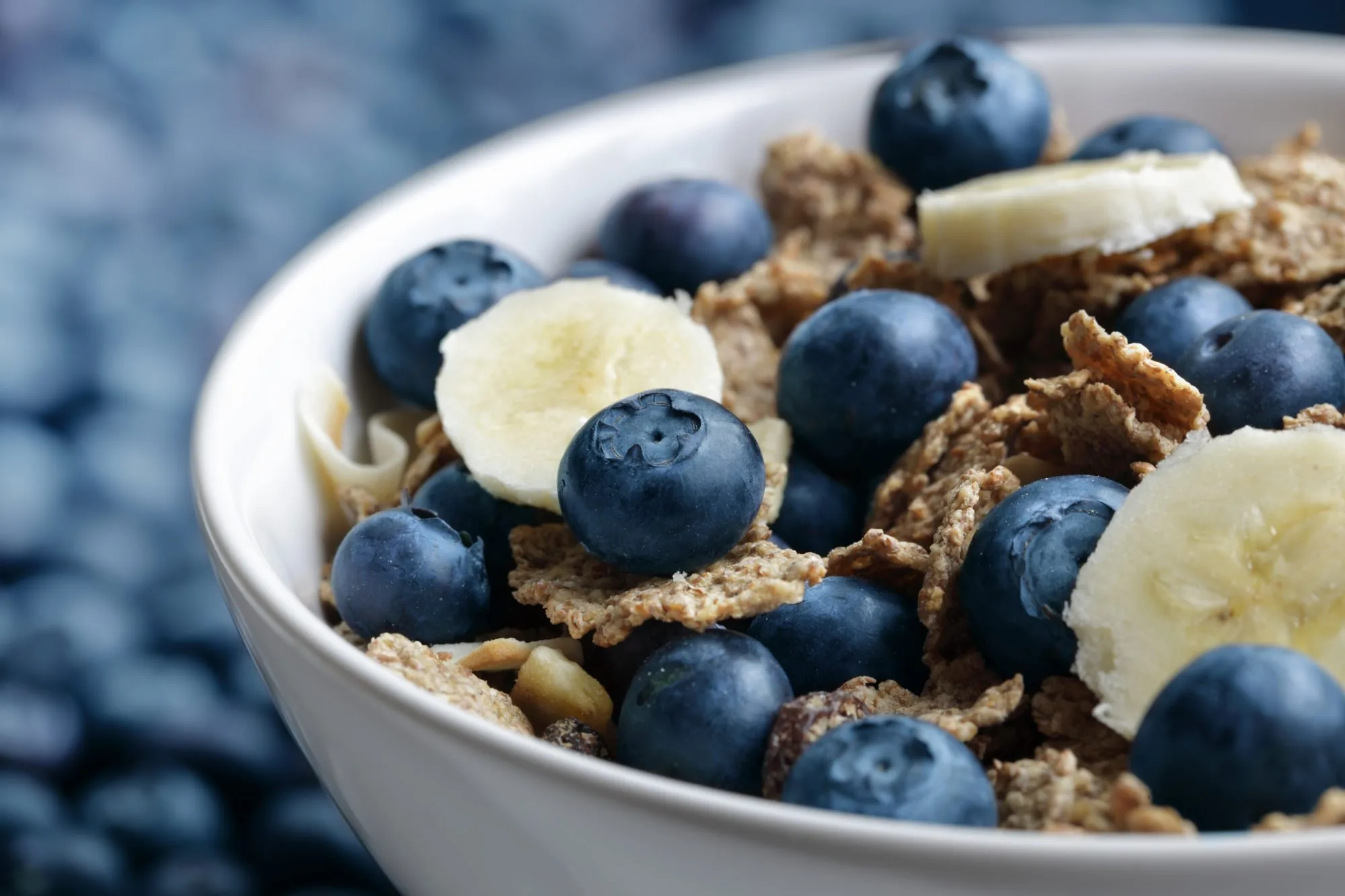
- Load up on vegetables, fruits, whole grains, lean proteins, and healthy fats like olive oil and avocado.
- Cut back on added sugars, white bread, chips, and all those processed snacks that make your insulin levels do a roller coaster impression.
- Embrace fiber. It fills you up, stabilizes blood sugar, and keeps your gut happy.
 2. Easy on the Booze
That “beer belly”? It’s real. Alcohol is a major belly fat contributor. You don’t have to become a teetotaler, but maybe swap every other drink for sparkling water. Your liver (and your waistline) will thank you.
3. Move Your Body Every Single Day
Exercise is your secret weapon here:
- Cardio is king. Walk briskly, bike, jog, swim—anything that gets your heart rate up for 30-45 minutes burns that deep belly fat.
- Lift things. Building muscle revs up your metabolism, so you’re burning fat even while binge-watching Netflix.
- Try HIIT. Short bursts of intense exercise followed by rest are especially effective at targeting visceral fat. Plus, workouts are shorter. Win-win.
4. Chill Out (Seriously)
Chronic stress = chronic cortisol = belly fat storage. It’s science. Try deep breathing, meditation, yoga, or just taking walks outside. Your stress levels—and your waistline—will improve.
5. Sleep Like Your Life Depends on It (Because It Kind Of Does)
Poor sleep makes you crave junk food and tanks your metabolism. Aim for 7-9 hours a night. Create a bedtime routine, ditch the screens before bed, and keep your room cool and dark.
6. Be Patient and Stick With It
Here’s the truth: visceral fat won’t vanish overnight. It might take months of consistent effort. But even losing 5-10% of your body weight can dramatically reduce harmful abdominal fat and improve your health markers.
The cool part? Visceral fat actually responds faster to lifestyle changes than surface fat. It’s stubborn, but it’s not impossible to beat.
The Real Talk
Visceral fat isn’t just about how you look—it’s about how your body functions. But here’s the empowering part: you have way more control over this than you think. Small, consistent changes add up to big results.
Your organs deserve better than a toxic roommate. Time to serve that eviction notice.
Editor’s Note
This article has been fact checked by the team at Longevity. And while we would love to claim this article entirely as our own, we must declare we got some great help honing the content from Claude ai.

![women [longevity live]](https://longevitylive.com/wp-content/uploads/2020/01/photo-of-women-walking-down-the-street-1116984-100x100.jpg)