

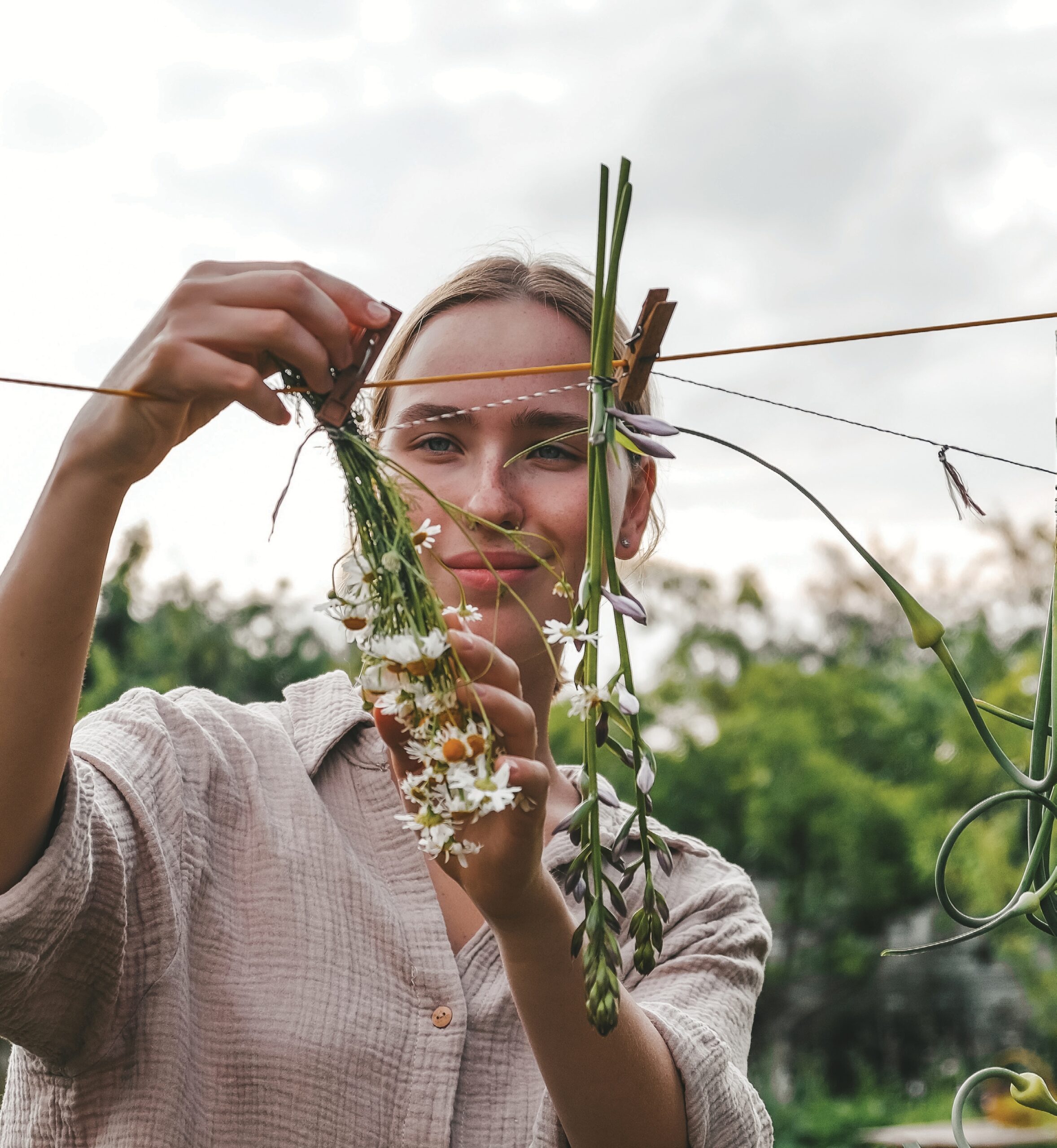
In today’s world of rising chronic illness and environmental degradation, many people are seeking a path back to balance. Medicine has become siloed into pills and prescriptions, yet our own bodies and the Earth hold powerful, sustainable remedies. Adopting a nature-based approach to health means tapping into the body’s innate wisdom and working with nature, not against it. This shift can yield stronger personal health while healing the planet.
Nature’s Own Pharmacy
Humanity’s pharmacopoeia is rooted in the Earth. For example, the World Health Organization (WHO) notes that around 40% of modern pharmaceuticals originate from natural sources. Aspirin comes from willow bark, and artemisinin – a powerful antimalarial – from sweet wormwood.
Integrative and naturopathic philosophies celebrate the “healing power of nature”, viewing the body as an integrated whole and harnessing its innate wisdom.
Everyday remedies abound in gardens and kitchens. Herbs such as turmeric, ginger, and peppermint offer anti-inflammatory and digestive support, without the side effects of synthetic drugs. Mindful breathing and fresh air can lower stress hormones and improve circulation.
Simple lifestyle practices – nourishing whole foods, adequate sleep, gentle outdoor movement – align with our physiology and amplify the body’s own healing signals. This holistic care honors the body’s innate drive to wellness.
Here’s some important steps to take to fortify your body, mind and soul
- Herbal allies: Use plants such as chamomile for calm, echinacea for immunity, or adaptogens (eg, ashwagandha) for stress resilience. These have been used for generations to support the body’s natural rhythms.
- Mind-body practices: Try meditation, yoga, and breathwork to engage the relaxation response, lowering stress and inflammation. Studies show that even brief breathwork significantly reduces stress and anxiety.
- Nutrition and lifestyle: Eat seasonally and as close to nature as possible. Boost fruits, vegetables, nuts, and seeds; avoid highly processed foods. Feed your gut microbiome with fiber and fermented foods – a healthy gut is now known to support immunity, mental health, and more. Stay well hydrated, get seven to nine hours of sleep, and nurture community ties. All these factors are critical for holistic wellness
From suppressing symptoms to solving problems
Modern healthcare often defaults to symptom suppression. Take the common practice of prescribing a pill for every ache. Such treatments may ease pain or quiet infection in the short term, but they don’t address the source of the illness.
In fact, this approach often leads to polypharmacy: a patient with fatigue, insomnia and hypertension may end up on five medications, each targeting a symptom, while the underlying causes go unexamined. One pill can cause a side-effect (say, indigestion), leading to another prescription, and so on. This endless spiral of symptom suppression can leave individuals feeling worse overall.
In contrast, an integrative, root cause approach seeks to uncover and resolve underlying imbalances. Naturopathic tradition explicitly highlights this point:
“There is a time and place for symptom suppression; however, most patients benefit from identifying the underlying causes of illness.”
Holistic practitioners recognize the “interconnectedness of our body, environment, and lifestyle”. They look beyond lab results to ask: What diet, stress, or toxin exposure is fueling this problem? For example, chronic headaches may point to gut inflammation or food sensitivities, rather than a “nervous condition”. Depression may result from chronic sleep loss, high sugar intake, or chronic stress in the workplace. Every symptom is treated as a clue to rebalance the whole person. As Ayurvedic wisdom teaches, illness is a sign of internal imbalance.
Healing Modalities that matter
Integrative medicine draws from nature’s toolbox. Instead of turning first to synthetic pills, they may prescribe lifestyle shifts and gentle remedies that support healing. Nutrient-dense foods replace empty junk, restoring the body’s fuel. Herbal and nutritional supplements correct deficiencies, with minimal side effects.
 Mind-body practices such as meditation, tai chi, or breathwork strengthen resilience against stress. In fact, recent trials confirm that breath control exercises significantly lower stress hormones and anxiety.
Likewise, evidence shows that acupuncture can ease chronic pain and chemotherapy-induced side effects. These methods work with physiology, rather than against it.
Design your own health plan
- Nutrition: The focus is on whole, plant-based foods rich in vitamins, fiber, and antioxidants. Such diets support gut health, blood-sugar balance, and detoxification. Diets high in refined and processed foods are strongly linked to heart disease and diabetes; by contrast, whole food diets provide building blocks for repair and prevent nutrient gaps. (Adding healing spices such as ginger, cinnamon, or rosemary can also boost digestion and reduce inflammation.)
- Herbalism and supplements: Many plants contain compounds that gently aid the body. For example, turmeric (rich in curcumin) reduces inflammation, and licorice root supports adrenal function. Supplementation can help where diet falls short – vitamin D, magnesium, or omega 3s, for instance – but always under guidance. These remedies often have fewer unwanted side effects than high-dose pharmaceuticals, especially when used responsibly. Mind-body techniques: Chronic stress drives many modern ailments (from hypertension to ulcers). Techniques such as meditation, deep breathing, or yoga activate the relaxation response. Even a few minutes of guided breathing significantly lowers cortisol. Over time, stress reduction practices can reverse the “fight or flight” patterns that fuel illness.
- Environmental detox: Look beyond your diet to your surroundings. Swap plastic containers for glass, use non-toxic cleaners, filter your water – reducing chemical exposures eases the body’s toxic load. Endocrine-disrupting chemicals (found in many plastics and cosmetics) can mimic hormones, contributing to cancer, diabetes, and fertility issues. Minimizing these exposures at home helps the body to heal itself.
- Movement and nature: Regular physical activity is medicine. Even simple activities (brisk walking, gardening, or gentle strength exercises) improve circulation, metabolism, and mood. Aim for 20 to 30 minutes outdoors each day: exposure to natural light and green space has been shown to lower blood pressure and reduce stress. Fresh air and sunlight synchronize our body clock and boost vitamin D – small steps with big payoffs.
Practical steps: daily healing habits
Adopting integrative habits can be straightforward. Begin by tuning in to your body’s signals. Notice patterns: Do headaches follow certain foods? Does mood dip on low sleep days? Keep a simple health journal of your meals, sleep, stress, and symptoms. Then gradually apply the changes:
- Clean up your plate: Cut down on ultra-processed foods, sugar, and additives. Large studies link these diets to 17–23% higher risks for heart disease and stroke. Instead, fill your plate with leafy greens, whole grains, beans, and fruits. These nourish the gut microbiome and stabilize blood sugar. (Tip: flavor meals with healing spices such as turmeric and cinnamon.)
- Detox your environment: Reduce chemical exposures at home. Use glass or stainless-steel containers, unbleached cotton textiles, and fragrance-free personal-care products. Avoid pesticides on produce (wash or peel when possible). Chronic exposure to pollutants (air, pesticides, plastics) is now the world’s top environmental health risk. Every small reduction helps.
- Sleep well: Prioritize seven to nine hours of restorative sleep each night. Create a tech-free bedtime routine: dim the lights, turn off screens, and perhaps enjoy a calming herbal tea or gentle stretch. Practice brief stress-relief rituals daily – a five-minute breathing exercise, a nature walk at lunch, or even laughter with a friend. These reset your nervous system and lower chronic stress.
- Get moving: Incorporate exercise and sunlight into your routine. A morning walk not only provides vitamin D but also helps to set your circadian rhythm for better energy and sleep. Aim for 30 minutes of physical activity most days – it can be as simple as dancing at home or cycling to work. Exercise improves circulation, lowers inflammation, and boosts endorphins. It truly acts as medicine.
- Seek support: You don’t have to navigate this alone. Work with an integrative practitioner (nutritionist, naturopath, or coach) who can personalize your plan. Even brief guidance can help interpret lab results or suggest appropriate supplements. Support networks (online forums, wellness groups, or community classes) can also keep you motivated.
- Connect culturally and socially: Engage in traditions and communities that give your life meaning. Studies show that individuals who participate in cultural activities or spiritual practices have lower risks for chronic diseases. Volunteer, join a faith group, or practice indigenous-wisdom rituals. Community and purpose are potent sources of healing.
- Opt for sunlight and routine: Make a habit of getting outside each morning. Natural light synchronizes hormone cycles, improving mood and sleep. Also consider daily routines from traditional systems, such as Ayurveda’s “dinacharya” (morning oil massage or tongue scraping) or a short yoga sequence. These rituals, backed by science, help to maintain balance.
- Digitally detox: Limit screen time, especially before bed. Blue light disrupts melatonin, and chronic device use can elevate stress. Schedule tech-free periods (mealtimes, an hour before bed). Use that time to read, meditate, or simply relax – you’ll sleep better and reduce chronic tension.
- Nurture positive emotions: Practice gratitude (perhaps by journaling daily) and foster supportive relationships. Chronic negativity or toxic stress accelerates aging and illness, while social support and optimism boost immunity.
- Keep learning: Stay curious about health. Read credible books, attend workshops, and follow reliable The more you learn about nutrition, stress management, and nature’s remedies, the more empowered you’ll be to customize your healing journey.
Each of these steps moves beyond quick fixes towards real wellness. As you implement them, observe not only how symptoms fade, but also how your vitality and clarity improve. You’re nurturing the roots of health, not just trimming the leaves.
The planet-health connection
 Personal health can’t be separated from the environment we share. Pollution, toxins, and industrial food systems all strain our bodies. Air pollution alone is responsible for roughly nine million premature deaths per year worldwide. Industrial chemicals such as lead and mercury (byproducts of energy use and manufacturing) impair brain development and increase cancer risk. In short, the air we breathe and the water we drink are foundational to health.
Endocrine-disrupting chemicals (EDCs) are a major concern. These hormone-mimicking substances are found in plastics, pesticides, cosmetics, and many everyday items. They can contribute to diabetes, fertility issues, and cancer. The good news is that eco-friendly choices double as self-care: switching to glass containers, eating organic produce, and reducing plastic use can dramatically lower your toxic exposure.
For example, studies show that an organic diet can reduce urinary pesticide residues by around 95% in just two weeks.
Ultra-processed foods also tie into this nexus. Diets heavy in processed ingredients correlate strongly with obesity, diabetes, and heart disease. By contrast, choosing whole foods (fruits, vegetables, whole grains, legumes) not only lowers disease risk but also reduces packaging waste and additives that burden the planet. Composting kitchen scraps and supporting local farmers’ markets are small acts that yield big health dividends: cleaner soil and nutrient-rich food.
Integrating is key
Living lightly on Earth supports our own vitality. Choose natural fibers over synthetics; recycle, bike, or walk when possible; and plant trees or gardens. These actions cut pollution and carbon emissions, while improving air quality and access to real food. Remember: what heals the planet heals us too.
As the WHO emphasizes, integrating traditional, nature-based health practices with modern care can improve outcomes globally. In other words, building a healthier world through sustainable living will build healthier bodies.
Ancient wisdom, modern insight
We stand on millennia of healing knowledge. Ayurveda (India’s 5,000-year-old system) teaches that health is about balancing the body, mind, and environment with diet, herbs, and daily routines. Traditional Chinese medicine explains disease in terms of energy flow and organ harmony, using acupuncture, massage, and botanicals.
Indigenous healing practices worldwide emphasize spiritual connection to the land and community support. All share a core belief: true health comes from living in harmony with nature.
Modern science is catching up. For example, Chinese herbalists long knew that Artemisia annua (sweet wormwood) fever remedies could cure malaria – knowledge that directly led to the drug artemisinin.
Neuroscience now validates the effects of meditation on the brain: stress hormones drop, and immunity rises with regular practice. The WHO and other authorities now explicitly recommend combining evidence-based traditional practices with conventional care. This doesn’t mean replacing modern medicine, but enhancing it. By blending the best of both worlds, we get more complete care.
Moving from symptom relief to true healing requires patience and curiosity. The rewards, however, are profound. When we find and treat the roots of illness – through whole foods, nature’s remedies, clean environments, and mindful living – we do more than alleviate pain; we transform our health from the ground up.
Take Away
Importantly, we also tread more lightly on Earth. By nurturing ourselves naturally, we honor the natural world that sustains us. In my view, integrative medicine offers a “win-win” for people and planet alike: supporting personal vitality, while safeguarding planetary health.
It’s time to embrace healing in harmony with nature – for our own good, and for the Earth we all depend on.
RAB A COPY OF OUR LATEST LONGEVITY
 This article, and many others, can be found in our latest “Back to the Earth” edition.
From expert insights with Dr. Zach Bush, Dr. Ash Kapoor, Oscar Chalupsky, Dr. Ela Manga, Dr. Maureen Allem, Dr. Anushka Reddy, Dr. Des Fernandes, Dr. Craige Golding, and many more, this issue explores everything from food, clean beauty, sustainable living, fashion, travel, and other mindful choices.
While available nationally in Southern Africa at your nearest Woolworths, Exclusive Books, and selectively at Superspar, Pick’n Pay, Airport lounges, and your local garage shop, you can also buy a digital copy at Zinio.com.

![women [longevity live]](https://longevitylive.com/wp-content/uploads/2020/01/photo-of-women-walking-down-the-street-1116984-100x100.jpg)