
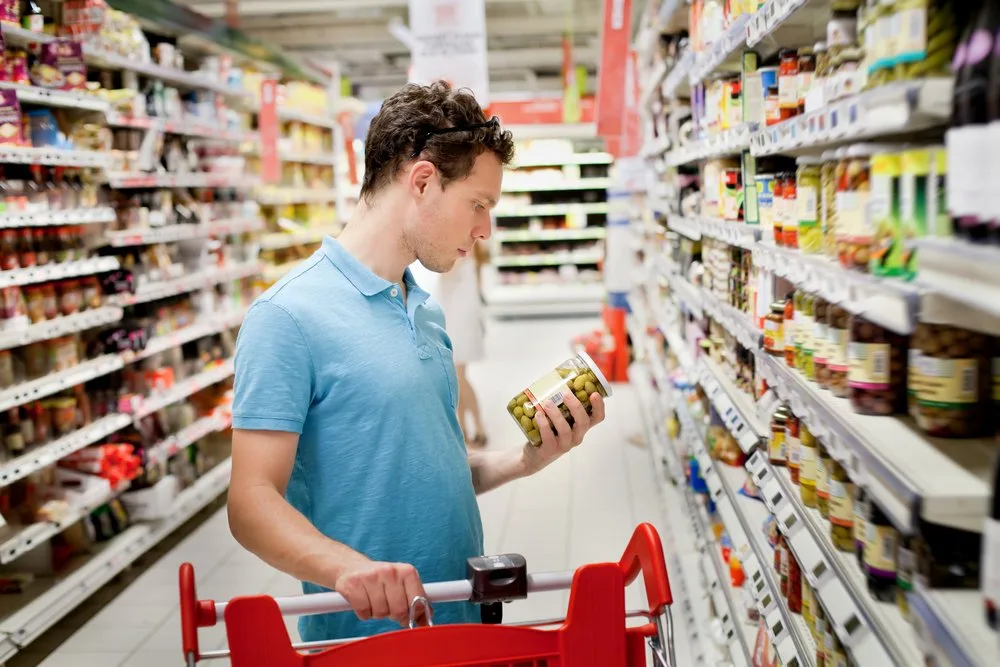
South Africa: We’ve all strolled down the supermarket aisle looking for something to eat and have been faced with an overwhelming wall of food. Many of us will default to the “healthy” options. These are products with labels that claim to be low in salt, fat, and sugar, for example, and high in healthy nutrients. Unfortunately, sometimes seemingly healthy foods can be harmful to our health.
Making healthy food choices
Food manufacturers often give us the illusion that we’re making good decisions, even if there’s no evidence to support the health claims. Imbued with a “health halo” to increase their perceived healthfulness, the foods are labelled as low-calorie, high in fiber, and low in sugar.
In a country where most nutrition labels are complicated for the average person to understand, it makes sense that we’d rely on these claims to make our decisions.
Even our children are being targeted. South African researchers have established that, of the 222 breakfast cereals they looked at, marketed to children, about 97% carried a health claim. Yet, they were found to be less healthy overall, with a significantly lower protein and fiber content, and a significantly higher content of total carbohydrates and total sugars.
Wouldn’t it be wonderful if we could shop confidently, knowing that the food we choose to buy really is good for us? We can no longer shop exclusively for fresh, farm-to-table food. Experts estimate that almost 80% of the food currently on our supermarket shelves is either processed or ultra-processed. Ultra-processed food is cheap and ready-to-eat. It often contains high levels of salt, sugar, saturated fat, and other additives.
Food regulations
The good news is that the South African government is working on an intervention that will give individuals the opportunity to make empowered food choices. In 2024, the National Department of Health released the Front-Of-Pack Warning Label (FOPWL) and Marketing draft regulations for public comment.
These regulations aim to give South African consumers clear information about the food they consume. They will also make it more difficult for major food organizations to market to children.
Should the regulations pass, unhealthy food will carry “high in” warning labels that will alert consumers that the products have excessive levels of sugar, salt, and saturated fat. The regulations will also alert consumers to products that contain artificial sweeteners. Foods that carry a warning label will not be allowed to be marketed to children.
This type of labelling has been implemented successfully in other countries. After Chile passed its law, a study published in the International Journal of Behavioral Nutrition and Physical Activity found a 30% increase in the number of mothers and children who understood juice was unhealthy, because of the easy-to-understand labels.
Sugar tax
One of the products to benefit most from the health halo effect is 100% fruit juice. While today the dangers of drinking too many sugar-sweetened beverages, such as sodas, are well known, many of us don’t realize that some fruit juices have more sugar than sweetened beverages. Drinking too much fruit juice has been shown to lead to an increased risk of obesity and Type 2 diabetes. Unlike regular fruit, which contains fibre and is more filling, fruit juices have little to no fibre, giving them a high glycemic index.
The Health Promotion Levy, which is better known as the sugary drinks tax, was introduced in South Africa in April 2018 in order to discourage people from drinking too many sugar-sweetened beverages. Unfortunately, it was implemented at a watered-down 11% instead of the proposed 20% recommended by the World Health Organization. To effectively reduce the overconsumption of sugar-sweetened beverages and fight obesity and its associated non-communicable diseases, such as Type 2 diabetes, hypertension, and stroke, the government needs to increase the tax and include fruit juices in the levy.
Regulations for good health
South Africans urgently need these and other regulations to protect our health. According to Statistics South Africa, “in South Africa, deaths due to major non-communicable diseases (NCD) such as cardiovascular diseases, cancer, diabetes, and chronic lower respiratory diseases, increased by 58.7% over 20 years”. Diabetes is the second leading cause of death in South Africa.
It’s difficult to make good food choices in an unregulated food environment geared primarily towards profit-making. Ordinary South Africans need to be at the forefront of demanding that the government regulate the food environment to protect us from predatory industry practices that harm our health. Over 14,000 South Africans added their voices in support of the FOWPL regulations.
The Healthy Living Alliance, HEALA, is continuing its campaigns to hold big food producers accountable to the law, to promote transparency, and to create greater public awareness of the importance of nutrition in health.
Want to know more?
Heala is an NGO fighting for equitable access to ensure that everyone can make healthy food choices, and Communications Manager, Zukiswa Zimela, is leading the fight.
View this post on Instagram
GRAB YOUR LONGEVITY 2025/6 COPY
 The aforementioned article was featured in the print issue of Longevity entitled Living Beyond 100. In our latest issue includes even more incredible articles and features. Our “Back to Earth” issue is Longevity’s must-have edition for anyone ready to reflect on what we put in and on our bodies.
From expert insights with Dr. Zach Bush and Dr. Ash Kapoor to Oscar Chalupsky, Dr. Ela Manga, Dr. Maureen Allem, Dr. Anushka Reddy, Dr Des Fernandes, Dr. Craige Golding, and many more, this issue explores everything from food, clean beauty, sustainable living, fashion, travel, and other mindful choices.
While available nationally in Southern Africa at your nearest Woolworths, Exclusive Books, and selectively at Superspar, Pick’n Pay, Airport lounges, and your local garage shop, you can also buy a digital copy at Zinio.com

![women [longevity live]](https://longevitylive.com/wp-content/uploads/2020/01/photo-of-women-walking-down-the-street-1116984-100x100.jpg)