
Dr Thania Kahn and patient, Nico Dhevnanan, are hoping to spread awareness for Inflammatory Bowel Disease (IBD). In this post, they discuss the disease and how people can ensure they’re diagnosed and treated correctly.
Imagine planning your day around toilet access. Cancelling social plans out of fear that your gut might flare up unexpectedly. For approximately thousands of South Africans living with Inflammatory Bowel Disease (IBD), this isn’t just a passing inconvenience-it’s an everyday reality.
What is IBD?
IBD is a chronic illness that includes Crohn’s disease and ulcerative colitis, both of which cause long-term inflammation and damage to the digestive tract. Symptoms can include abdominal pain, fatigue, diarrhea, rectal bleeding, weight loss, and urgency. In severe cases, people report needing the bathroom more than 20 times a day. It’s a disease that’s often invisible to others, yet relentlessly disruptive to the person living with it.
Importantly, IBD is not the same as IBS (Irritable Bowel Syndrome).
IBS is a functional disorder that affects how the gut moves and feels, but it does not cause inflammation, bleeding, or damage to the gut lining. While both can be painful and distressing, IBD is far more serious and can lead to complications like malnutrition, hospitalisation, and surgery if left untreated.
If you or someone you love lives with IBD, you probably already know what a “flare-up” feels like. You may also experience the relief of a good day or even a stretch of weeks when symptoms settle down. But did you know that feeling better doesn’t always mean your gut has healed? That’s where a term called mucosal healing comes in—and it could change how you think about managing IBD.
What is mucosal healing?
Mucosal healing means that the inside lining of your gut—the part that gets inflamed and damaged in IBD—isn’t just feeling better, it’s repairing. This indicates that the inflammation is under control and that long-term damage is being avoided. Doctors can check for this through tests like colonoscopy, stool samples, blood work, or imaging.
Why does this matter? Because even when symptoms improve, hidden inflammation may still be active—and that can quietly cause further harm. “Mucosal healing really is pivotal,” explained Dr. Thania Kahn. “Patients who achieve mucosal healing early on have better disease control, fewer flares, and a reduced risk of complications. In ulcerative colitis, it can even change the course of the disease and reduce the chance of losing your colon.”
As Nico Dhevnanan, who lives with IBD, put it:
“It’s not something you can just Google and understand. I had to be willing to ask questions, to do the research, and to be consistent with my treatment. You have to understand how important it is to stay on your medication—even when you feel okay.”
A global shift in IBD management
Doctors around the world are starting to change how they treat IBD. Instead of just focusing on controlling symptoms, the new goal is to heal the gut lining. Guidelines now recommend aiming for what’s called mucosal healing, along with helping patients feel better and avoid long-term problems.
Monitoring tools such as colonoscopies, stool and blood tests, and in some countries, intestinal ultrasounds, can help assess this deeper healing. While access in South Africa is still inconsistent, these conversations are starting to happen.
“It’s important that patients feel safe asking questions,” says Dr Kahn. “We talk about everything—from stool consistency to intimacy—because these are the things that impact a patient’s quality of life. There are no silly questions.”
As patients start to track how IBD affects their everyday lives—on work, mood, relationships, and energy levels—they can have more meaningful conversations with their healthcare teams. “We talk about poop like it’s a meal,” Nico said with a laugh, “but honestly, that openness helps. I needed to understand my body, and I could only do that once I started asking and stopped being ashamed.”
Listen, learn, and start the conversation
Nico’s story is a powerful example of what can happen when the right treatment arrives just in time. “I was two days away from losing my colon,” he shared. “The pain, the fear—it’s difficult to describe. But thanks to the proper treatment, we were able to avoid surgery. I still have my colon, and that’s something I’m deeply grateful for.”
You don’t have to navigate IBD alone. Whether you’re newly diagnosed or have been living with it for years, the most important thing you can do is start an open, honest conversation—with your doctor, your loved ones, and your community.
Want to learn more?
To help spark those conversations, IBD Africa has released a brand-new podcast on Spotify and Apple featuring a powerful discussion between Dr. Thania Kahn, ga astroenterologist, Nico Dhevnanan, a patient living with ulcerative colitis, and journalist Uveka Rangappa. Together, they unpack what it really means to manage IBD—from understanding the goal of mucosal healing to navigating everyday challenges. You can find the episode now on all IBD Africa platforms.
So before your next appointment, take a moment to listen. You might just walk in with the right questions—and walk out with a clearer path to healing.
“Don’t give up now,” Nico says. “Make sure you’re in front of the right medical team. Trust the process. Accept that this is your reality—then take charge of it.”
Because when we talk about what’s happening inside, we make space to heal on the outside too.
About Nico Dhevnanan, IBD Patient
Nico Dhevnanan is a 32-year-old father of five and a cybersecurity awareness and training specialist. Recently diagnosed with Inflammatory Bowel Disease (IBD), Nico is learning to navigate life with ulcerative colitis while balancing the demands of work, parenting, and wellness. His story of resilience, honesty, and humour—shared in IBD Africa’s latest podcast—offers powerful insight into what it truly means to live with IBD in South Africa.
About Dr Thania Kahn, Gastroenterologist
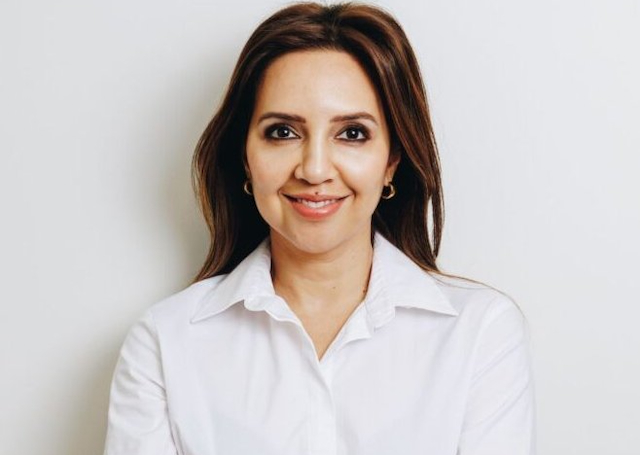
Dr. Thania Kahn (featured in the main photo) is a specialist gastroenterologist and physician who practices at Vincent Pallotti Hospital in Cape Town. She completed her medical degree, specialist physician training, and gastroenterology degree at the University of Cape Town and Groote Schuur Hospital. Subsequently, she spent a year at the prestigious St. Mark’s Hospital in London in 2023, in the departments of Inflammatory Bowel Disease (IBD) and Nutrition & Intestinal Failure.
Dr. Kahn is passionate about gastroenterology, the anatomy, physiology, and functioning of the digestive system, and its role in both health and disease. Her main interest is IBD, and she believes a holistic approach is essential in addressing all aspects of well-being and illness. She enjoys interacting with her patients, educating them about their gastrointestinal conditions and health.

![women [longevity live]](https://longevitylive.com/wp-content/uploads/2020/01/photo-of-women-walking-down-the-street-1116984-100x100.jpg)