
Who am I? Where did I come from? What am I doing here? I ask myself these questions when I get distracted by a world with constant digital noise. Advertising billboards, and fake news competing for my attention, energy, and money. In a world where sex sells and the sacred spirit has been turned into a commodity, we’ve woken up in a system designed to guide us from the cradle to the grave. It harvests our energy and time to build and enforce the system.
It’s time to find ourselves again. The hero’s journey awaits the seeker ready to take the plunge. In this post I share my three favorite choices for sacred journeys.
Walking with purpose in sacred places
The act of pilgrimage is as old as civilization itself, and a great way to come back to yourself – whether you’re walking for spiritual connection, seeking divine guidance, or personal growth and transformation. A pilgrimage will deepen your connection with yourself and the Earth, and you’ll return to what it means to be human.
Apart from the spiritual reasons for undertaking a pilgrimage, there are numerous physical and mental benefits to walking more than 10km per day. Using your feet for six hours a day improves cardiovascular health, builds muscle and stamina, increases bone density, and aids in weight management. The mental benefits include reduced stress and anxiety, improved mood and cognitive ability, and enhanced creativity.
Listen to your body along the way
There are some important things to consider during your journey. It’s not a race to the finish, but more like a marathon: start slowly and gradually build up your daily distances.
Listen to your body along the way. Ensure you have the right footwear (light trail-running shoes work best), and keep your feet dry by changing socks regularly. Stay hydrated and keep an open mind. Remember to enjoy every moment.
Sacred places to walk to and through
CAMINO DE SANTIAGO, SPAIN
The Camino de Santiago, known as the Way of St. James, is a walk of a lifetime – and medicine for the soul. Possibly the most famous pilgrimage on Earth, and a UNESCO-recognized world heritage site, it has ancient roots. The pilgrimage originated in the 9th century, when, according to legend, the burial site of St. James the Great was discovered by a shepherd, guided by a star. A church, which later became a cathedral, was founded at the location, and the Camino de Santiago was born.
Photo credit: https://www.macsadventure.com/camino-tours/
There are various paths to choose from, each offering a unique journey through the country. All routes converge at the cathedral in Santiago, the destination for the hearts and souls of spiritual seekers from around the world.
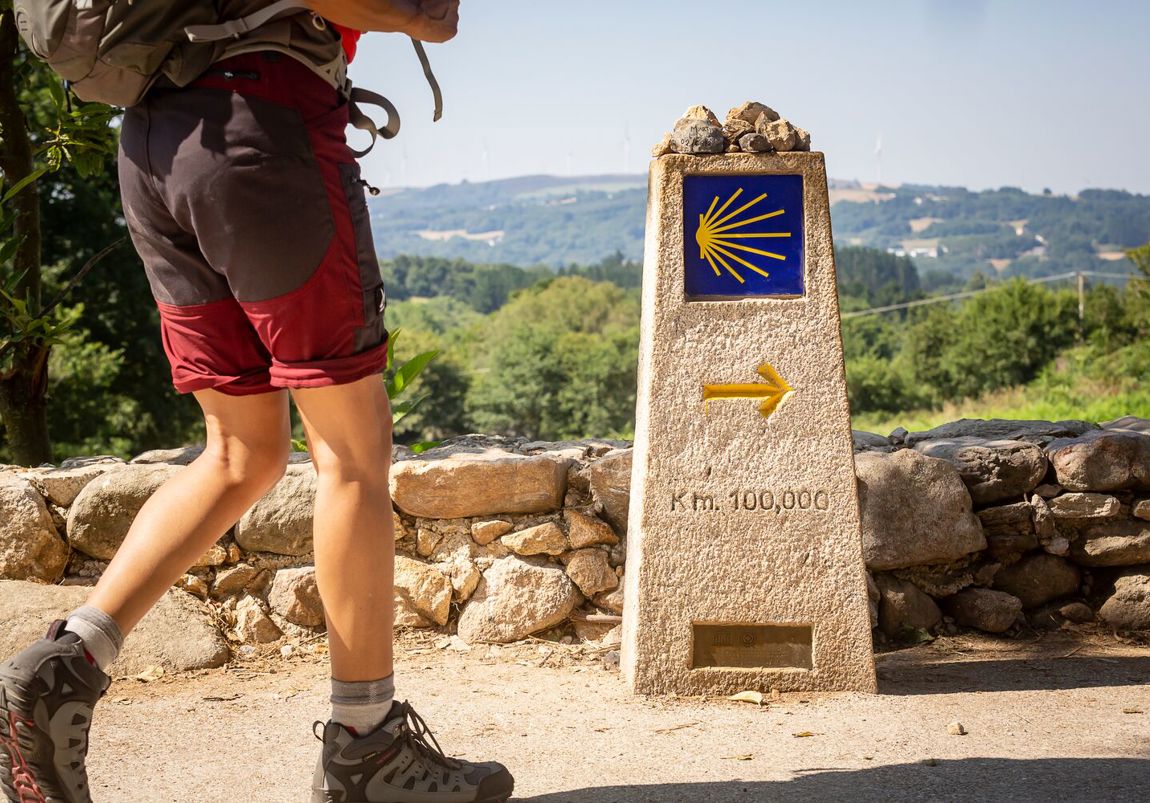
The daily trek returns your body, mind, and spirit to a natural state as the wondrous encounters and chance meetings along the way reflect your inner world. There’ll be easy days, and there’ll be difficult days. Whatever the experience, the Camino teaches you to prepare well, rise early, and keep walking.
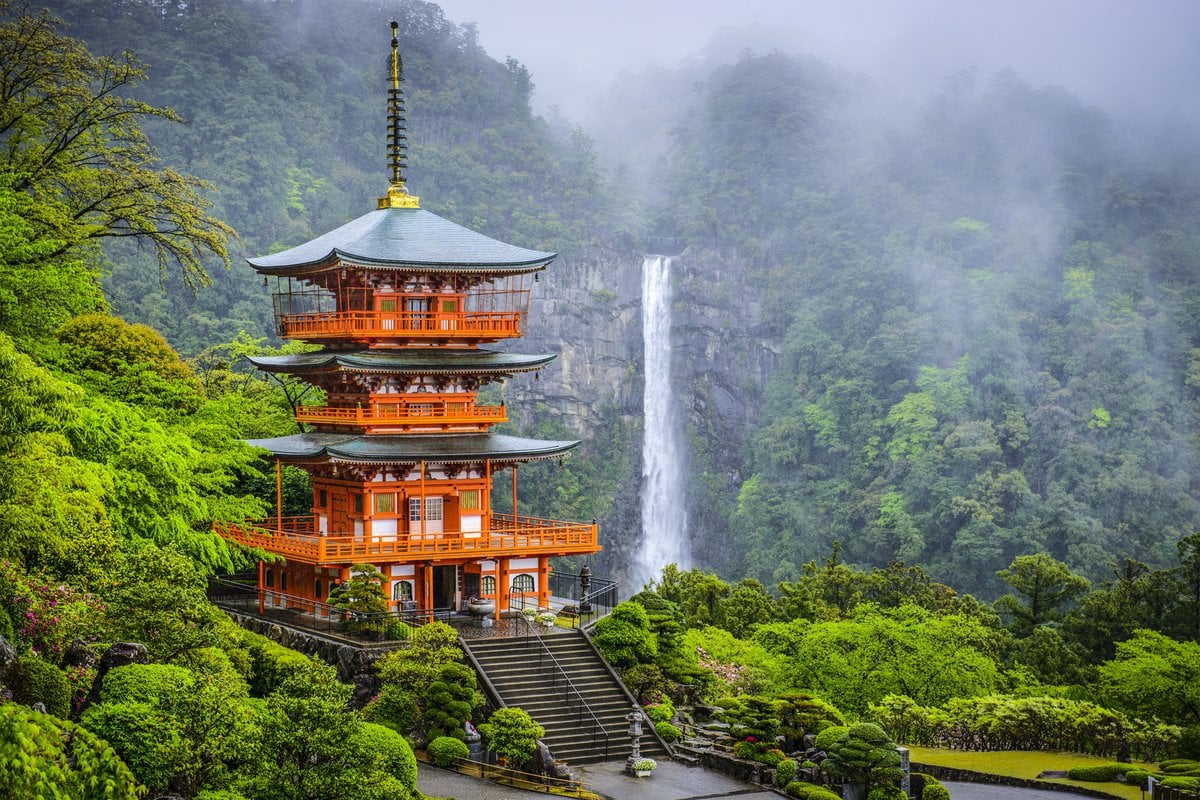
The Kumano Kodo
The Kumano Kodo is a well-traversed journey blending solitude with cities, and architecture with pristine nature, accommodation, and provisions is a faith of Kumano, blended with elements from Buddhism, Shugendo, and Shinto teachings. This led to the development of the three grand shrines of Kumano, which are the main destinations of the Kumano Kodo.
Main Photo credit: https://www.okujapan.com/region/kumano-kodo/
Ancient shrines and sacred sites
Purification and worship
There are four main routes, as well as shorter day hikes, to choose from. These range from gentle strolls in the forest to multi-day walks for the seasoned hiker. The quiet, tree-lined paths support mental clarity, offering a break from modern distractions and space for reflection.
Spiritually, the journey is enriched by ancient shrines and sacred sites, encouraging mindfulness and a deeper connection to nature.
MOUNT KAILASH, TIBET
Mount Kailash, on the Tibetan plateau, is the highest peak of the Gangdise mountain range, at an astonishing 6 638m above sea level.
It has been a holy site for millennia, considered the center of the world by Tibetan Buddhists, Hindus, the followers of Jainism, and Tibetan Bonism. The vibrations that emanate from this giant mountain will calm your nervous system, clear your mind, and leave you awed by the magnificence of nature.
According to legend, only one person has ever summited Mount Kailash, the Tibetan yogi, Milarepa. Nowadays, it’s forbidden to climb this holy mountain.
Traditionally, travelers start at Lake Manasarovar to seek blessings from the mountain and cleanse themselves in the holy waters. Three days are spent worshipping, before the kora (pilgrimage) commences—a circumambulation of the mountain that’s believed to clear lifetimes of karma. The 52-km route, with the mountain at the center, ranges in altitude from the starting point, Darchen, at 4 560m, to the highest point at Dolma La Pass, at 5 630m. The kora itself can be done in three days, but there’s a four-day version, where you have an opportunity to touch the mountain. A full tour of the Kailash Mansarovar Yatra can last 11 to 16 days.
A moving meditation
This isn’t your average stroll in the park. Hikers need to be well prepared mentally and physically, and have the right gear to brave the high altitudes. Joining a tour group is highly recommended.
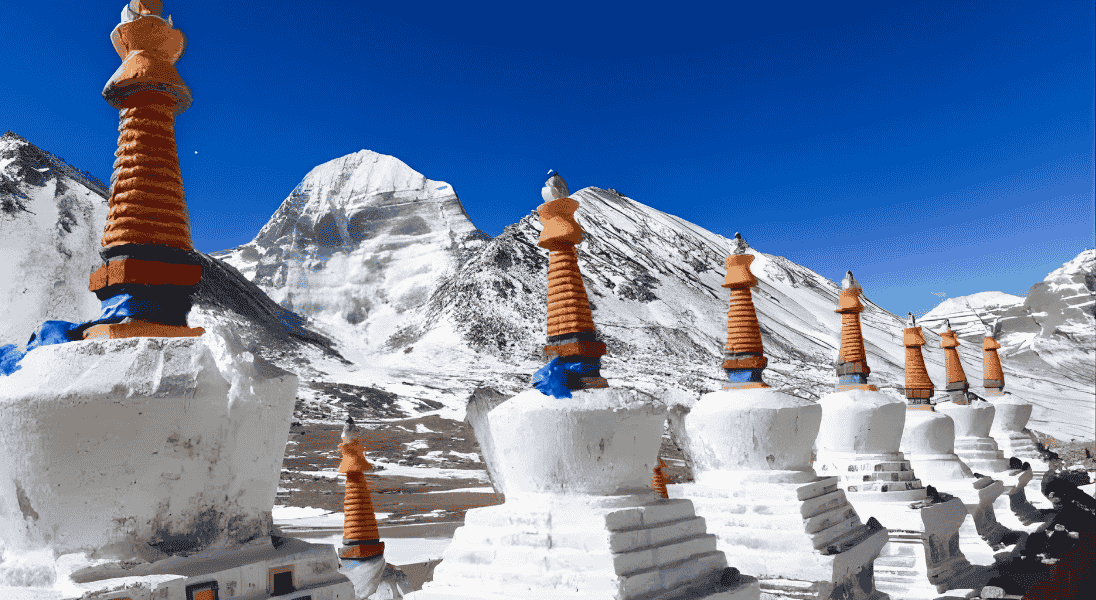
Photo credit: https://kailashvisiontreks.com/blogs/exploring-the-inner-kora-of-mount-kailash-a-sacred-pilgrimage
The Kora is accessible from April to October, with a tour group departing roughly once a month. Make sure to plan your trip and obtain a Chinese visa and Tibetan travel permit.
Each step on this journey will be a moving meditation, a stairway to heaven, an ode to the mountain within.
There are no temples atop Mount Kailash—its power lies in its presence.
How to choose your path
When it’s time to go on a healing journey, how do you choose the right one for you? Trust your intuition. In your walk of life, fear will arise, and this is normally a sign that you’re moving in the right direction. Keep walking – to feel alive again, to feel yourself again, to process old emotions and embody your essence.
Integrating change
Whatever happens on your journey, you’ll change in ways seen and unseen. It’s important to integrate the shifts that have occurred, incorporating them into your being.
Growth and change can be scary and painful, but this is what life is about. Don’t be surprised if you see everything in a new light when you return home. People may not like the change they witness, as it can bring up fears and insecurities. Stand in your power and command your presence. You’re worthy of being your full, fearless self. One small step is all it takes to start the walk of a lifetime.
GRAB A COPY OF OUR LATEST LONGEVITY
 This article, and many others, can be found in our latest “Back to the Earth” edition.
From expert insights with Dr. Zach Bush, Dr. Ash Kapoor, Oscar Chalupsky, Dr. Ela Manga, Dr. Maureen Allem, Dr. Anushka Reddy, Dr. Des Fernandes, Dr. Craige Golding, and many more, this issue explores everything from food, clean beauty, sustainable living, fashion, travel, and other mindful choices.
While available nationally in Southern Africa at your nearest Woolworths, Exclusive Books, and selectively at Superspar, Pick’n Pay, Airport lounges, and your local garage shop, you can also buy a digital copy at Zinio.com
You can read more about traveling for self-renewal here:
Eco-Conscious Retreats Are Redefining Travel On The Islands of the Gods

![women [longevity live]](https://longevitylive.com/wp-content/uploads/2020/01/photo-of-women-walking-down-the-street-1116984-100x100.jpg)