

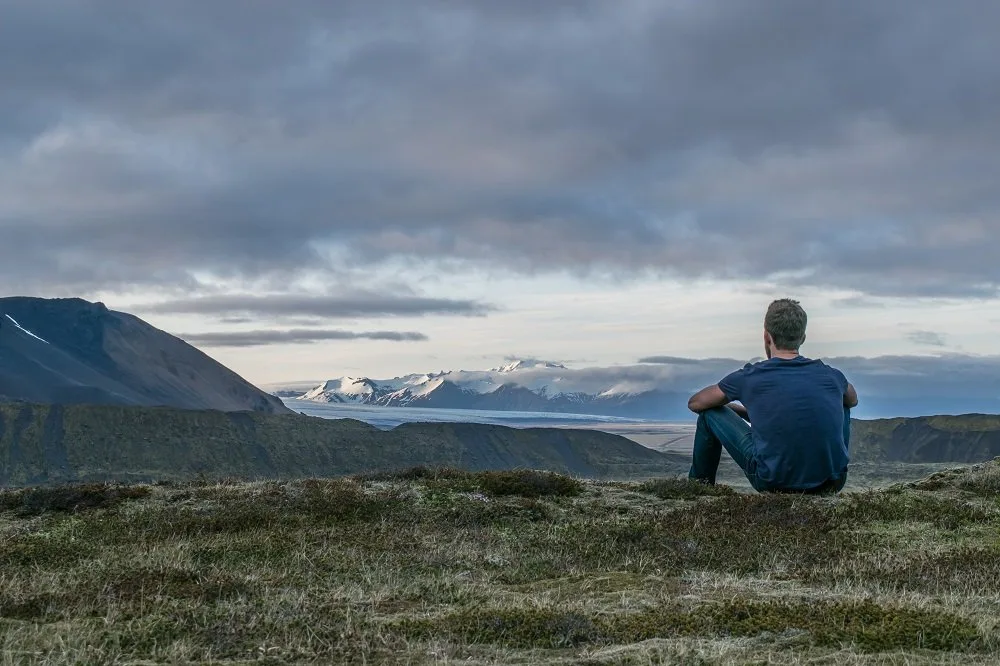
Recently, I found myself in a small village nestled deep in the heart of the Transkei, a detour born from a disruption in plans to meet with traditional healers in Lesotho. Serendipity had led me here. As I sat beneath a vast sky, waiting to document what would become Africa’s first filmed account of psychedelic mushroom use in a tribal context, something deeper began to unfold before me. This wasn’t just a ceremony. It was a story of connection, one written in the movements of barefoot children sprinting through the fields towards our fire, their joy echoing through the valley.
Harmony With Nature Is The Original Way
I glanced down at my own feet, laced tightly in my utility boots, and felt strangely overdressed for the occasion. Around me, healers inspected their instruments, the pulse of a drum drawing a low hum from the earth. A diviner, seated calmly, crushed mushrooms between two rocks with quiet reverence. There was no hesitation in her hands, only certainty.
She knew this medicine: where it grows, how it’s prepared, the right dose for the spirit and safety.
No manuals. No measurements. Just memory and lineage. There was no fear, no whisper of illegality, no shame. These were sacraments, not substances.
And here, in this place far from the noise of our cities, I witnessed a harmony long forgotten: people in rhythm with the land, with nature’s gifts – not as a resource to extract, but a relationship to nurture.
The beginning
As a business owner deeply immersed in the world of fungal medicine extraction, my passion for therapeutic mushrooms is rooted in science. I understood their chemistry, their complex interaction with human biology, and the remarkable changes they can evoke in mind and body.
But what began as a scientific pursuit soon bloomed into something deeper: a curiosity about their cultural history, their spiritual lineage. I had devoured accounts of ancient fungal use around the world, from the Mazatec healers of Mexico to Taoist immortality-seekers in China, from Siberian shamans to Aboriginal dreamwalkers in Australia. Each of these cultures wove fungi into the heart of their traditions.
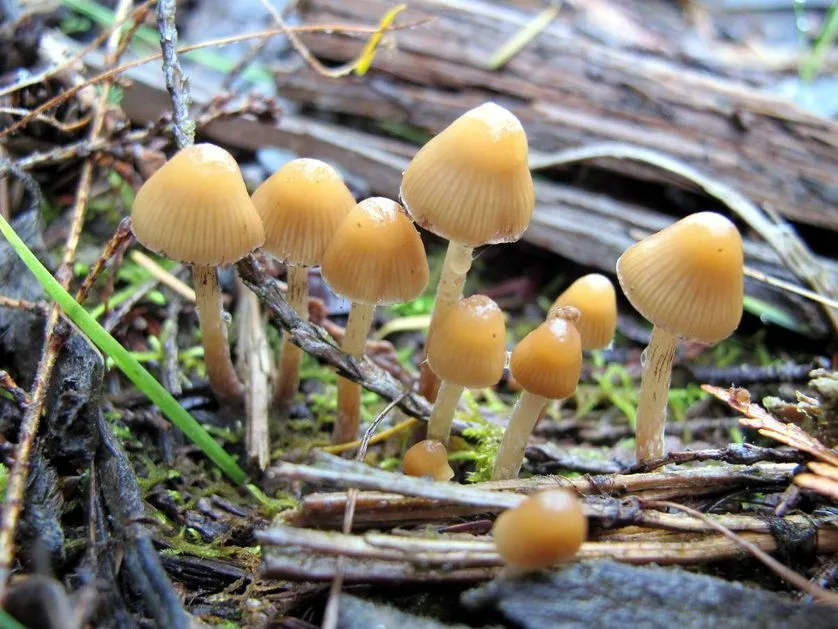 And so I turned my gaze homeward. I knew, biologically, that mushrooms flourish across southern Africa. Our soils and forests host a rich fungal biodiversity, and yet, there was a deafening silence in the literature – no formal record of entheogenic mushroom use in South Africa’s tribal customs. Could it be that the birthplace of humankind, a land as ancient and mushroom-rich as this, had no trace of fungal use in its oral histories or ritual practices? Or was it simply that no one had ever asked the questions, or listened long enough for the answers?
Western disconnect
As I stepped in from the cold night air, my eyes adjusted to the warm flicker of halogen globes lighting the inside of the hut. Our congregation took their places – diviners along one wall, researchers along another, with villagers scattered between. That night, we were one tribe, gathering in communion with the ancestors, tethered to nature.
To my left sat a young boy, maybe six years old, his eyes alight with joy and a familiarity that said he’d been here before. He’d witnessed this rite, danced to its rhythms, and felt the bliss of being fully human, of belonging. He knew, in his bones, that we’re not separate from the wild, but expressions of it.
As the drumbeats rose and the chants began, thoughts passed through me like wind through tall grass. One stood out: how far we’ve drifted from this way of being.
Somewhere dee down we ache
In the Western world, we’re raised into disconnection. We’re taught to chase a life before we’ve had time to question what that life should look like. We fall into careers, habits, and hurried routines. We work ourselves thin to provide – our resilience, our capacity for sacrifice, is profound.
But in that pursuit, something quiet within us begins to wither. We wake before the sun and return long after it’s set. We spend, consume, and perform. And somewhere deep down, we ache. We yearn for the earth. We go our whole lives searching and longing to go back to a simpler time, a time in our youth when we ran across fields barefoot or made music with friends, slapping our hands on tree trunks and rocks.
As I sat there in that hut, listening to harmonies echoing off mud-brick walls, I realised the world itself isn’t disconnected; it’s we who’ve unplugged. There are still people with their ears pressed to the earth, listening for the shift in the seasons, for the songs in the soil. There are still those who know the medicines growing in the ravines below their homes, the sacraments that emerge on hilltops after a gentle rain. As I drank from the ceremonial chalice that evening, something stirred in me – not just reverence, but relief. Relief that all is not lost. Across our lands, there are still children who run wild, elders who remember, and tribes who keep the old songs alive.
Custodians of Earth
After several hours of conversing with my ancestors, I stepped back across the threshold and into the night, the cool air kissing my skin. That night offered me many lessons, but one in particular I believe we can all carry into our everyday lives, whether we rise before dawn to sit in traffic, or spend our days in coffee shops, boardrooms, or perched on mountain tops. Harmony with nature isn’t some fringe philosophy or nostalgic ideal. It’s not the alternative way. It is the original way.
Custodians of the Earth
And while I often find myself longing for simpler times, I know we can’t return to the hunter-gatherer days. We’re no longer merely foragers of food and fire; we’re now custodians of this Earth. Yes, we can – and must – still run barefoot through fields, feel the soil beneath our feet, and let the wild remind us of who we are and how far we’ve come. But eventually, we must lace up our shoes and return to the lives we’ve built.
What my time in that village showed me is that the land never leaves us. Though I may walk away from her, she’s always beneath me. Nature isn’t just a place we visit, a brew drunk or song sung; she’s a presence we return to, again and again. And so, even in our modern lives, we can choose to bring her into our homes, our habits, and our health practices – to learn from ancient wisdom and apply it in our day-to-day.
This isn’t about abandoning our lives. It’s about enriching them. Choosing to reconnect – not to the past, but to the living earth beneath our feet. The Earth hasn’t forgotten us. It’s time we remember her.
Who is the author?
Cullen Taylor Clark, co-founder of Aether Apothecary, is an ethnomycological researcher and entrepreneur.
 He’s the founder of the Lost Muti Project, an initiative dedicated to preserving and sharing indigenous fungal knowledge in Southern Africa.
This article features in our 2025/26 edition of Longevity, alongside other incredible articles and features. Our “Back to Earth” issue is Longevity’s must-have edition for anyone ready to reflect on what we put in and on our bodies.
You can buy a digital copy at Zinio.com.

![women [longevity live]](https://longevitylive.com/wp-content/uploads/2020/01/photo-of-women-walking-down-the-street-1116984-100x100.jpg)